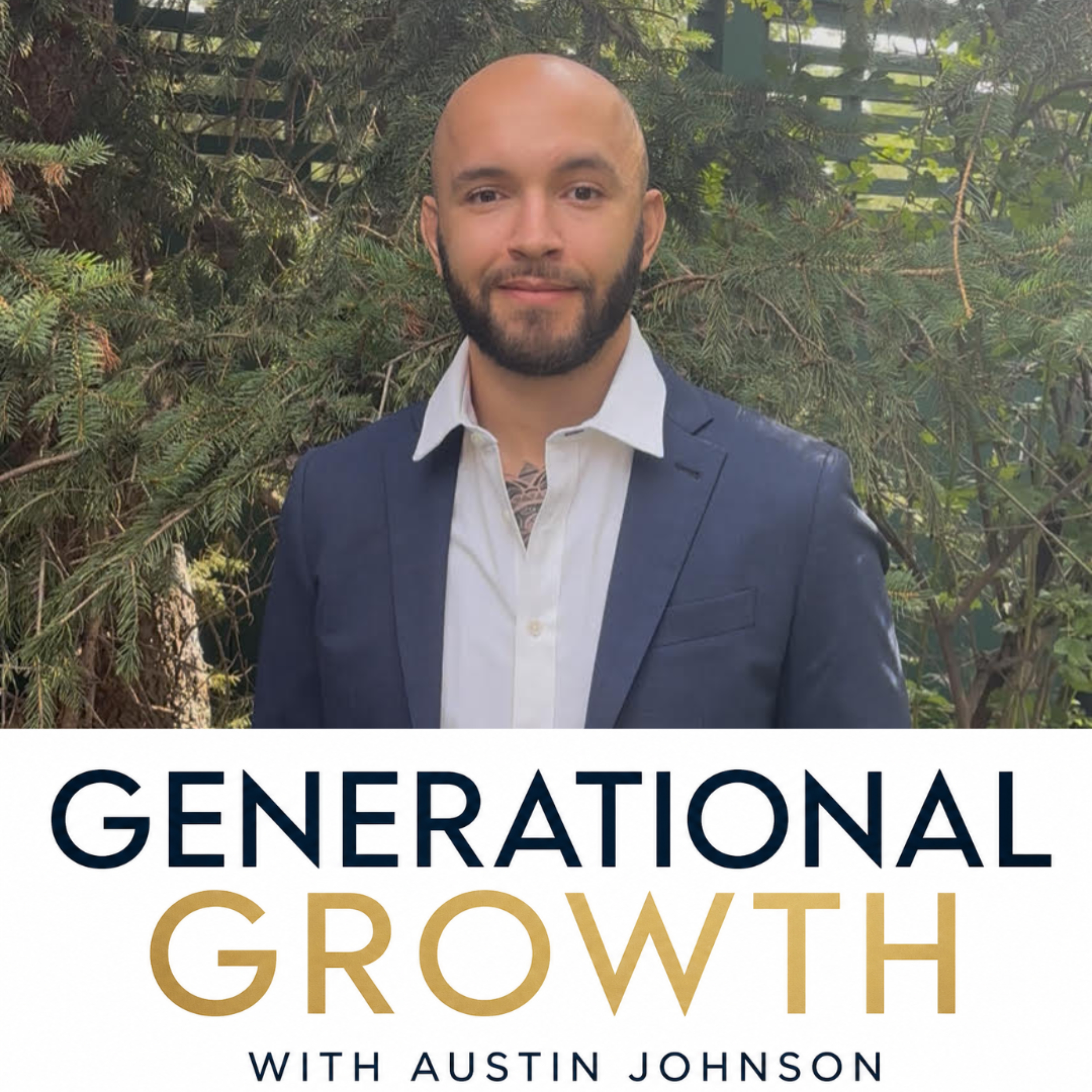
ICHRA Explained: When It Actually Fits a Small Business
from Generational Growth with Austin Johnson Hosted by Austin Johnson
Small business health insurance can become one of the most unpredictable expenses on the balance sheet. Lance Rucks explains when an ICHRA may help an employer control the benefits budget, where it may not fit, and why business owners should start reviewing options before the renewal window gets tight. Lance is a Regional Sales Manager with zizzl health and has spent 25 years in employee benefits across group insurance, individual insurance, ancillary benefits, voluntary benefits, brokers, and direct sales. In this conversation with Austin Johnson, he breaks down ICHRA, traditional group health plans, level-funded plans, employee choice, health-plan risk, broker selection, HSAs, bronze plans, and the implementation work business owners should understand before making a change. IN THIS EPISODE Why business owners should diagnose the benefits problem before choosing a plan How ICHRA differs from a traditional group health plan Why defined contribution can give employers more budget control When ICHRA may not be the right fit Why small-group health risk can change plan strategy How to evaluate a benefits broker's service level Why implementation timing matters before renewal How automation can make ICHRA easier to manage CHAPTERS 0:00 Why small business health plans need a better review 1:26 Why health plans matter for business owners 2:11 Lance Rucks' 25-year path in employee benefits 3:44 How Lance found ICHRA 7:47 Start with the employer's actual problem 10:42 Who can use ICHRA? 13:42 Why ICHRA became an option 17:20 Budget control and employee choice 18:31 What savings threshold gets attention? 20:18 When ICHRA is not a good fit 20:37 When ICHRA can make sense 23:16 Level-funded plans and good-risk groups 24:43 Can employers move between plan types? 27:38 Why business owners need annual benefit reviews 29:06 How to pressure-test your benefits broker 32:00 Service matters when a health-plan problem hits 34:25 How HSAs can pair with individual coverage 36:54 Bronze, silver, gold, and platinum plans 38:48 Why ICHRA needs operational support 40:09 Automation and administration 41:34 Do your homework before renewal 44:00 Connect with Lance NEXT STEPS Want to See If Properly Structured Whole Life Fits Your Capital Strategy? Book a Generational Growth call here: https://calendly.com/austin-generatio... Want to Learn How Privatized Banking, Policy Loans, and Real Estate Can Work Together? Start with the Generational Growth Vault here: https://www.generationalgrowthco.com/... Learn more about Generational Growth: https://www.generationalgrowthco.com/ CONNECT WITH LANCE LinkedIn: / lance-rucks-06972313 zizzl health: https://zizzlhealth.com/ zizzl health contact page: https://zizzlhealth.com/contact-us DISCLAIMER This content is for general educational purposes only and does not constitute individualized financial, tax, legal, accounting, insurance, healthcare, employee-benefits, HR, ERISA, ACA, or compliance advice. ICHRA, HRA, HSA, group health plan, level-funded plan, premium tax credit, affordability, notice, eligibility, tax, payroll, and plan-design rules depend on employer size, employee class, state, carrier, household circumstances, plan year, and current law. Health insurance costs, savings, underwriting, reimbursement eligibility, employee participation, and plan availability vary and are not guaranteed. Consult qualified benefits, legal, tax, HR, and insurance professionals before changing or implementing a health-benefits strategy.
Embed this episode
No transcript yet.