
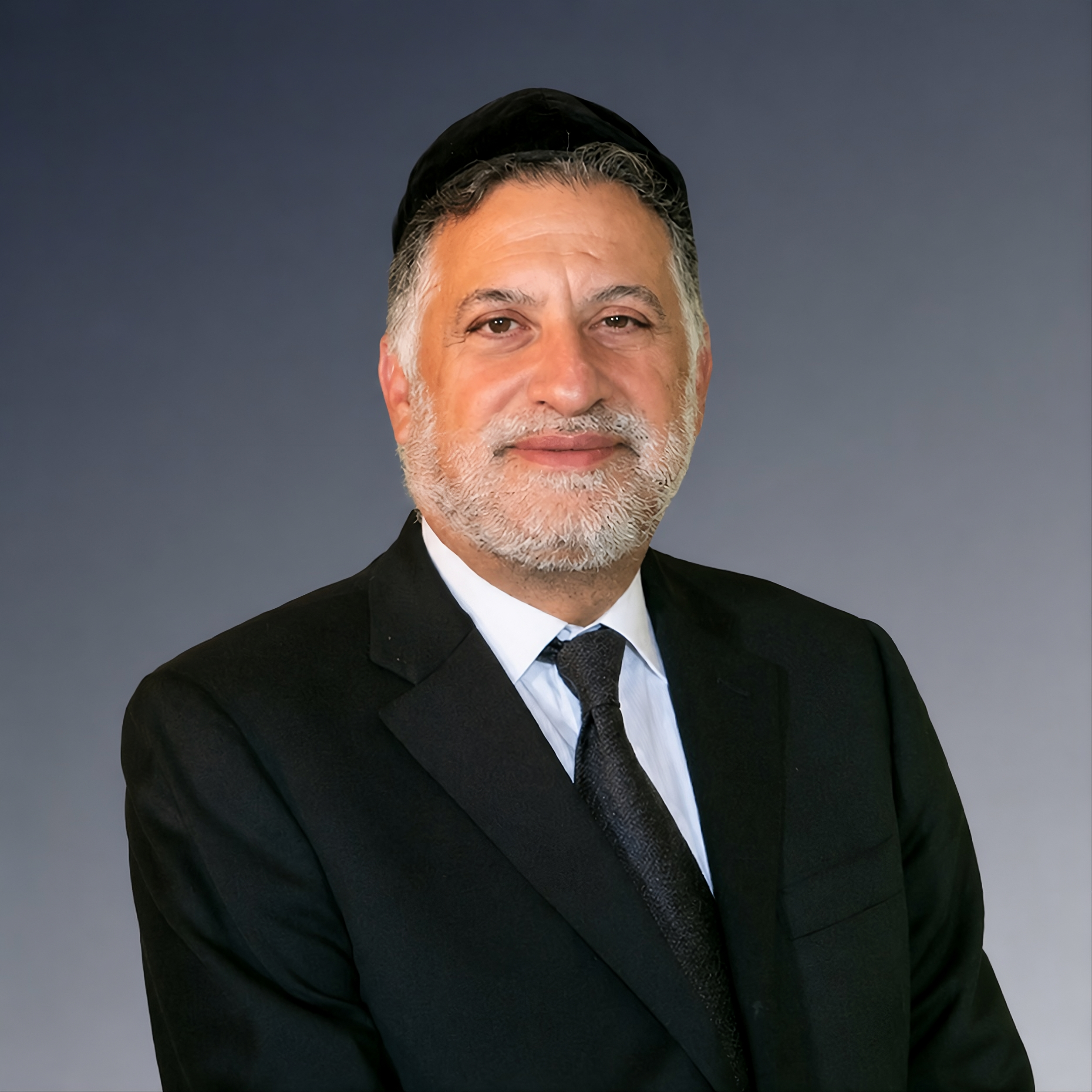
EPISODE · Jul 24, 2026
If Somebody Mistakenly Prayed Without Wearing a Kippa
from Daily Halacha Podcast - Daily Halacha By Rabbi Eli J. Mansour · host Rabbi Eli Mansour
The Shulhan Aruch (91:5) brings the opinion among the Rishonim that it is forbidden to recite a Beracha with one's head uncovered. Others, however, including the Maharshal (Rav Shlomo Luria, Poland, 1510-1573), ruled leniently, and maintained that it is technically permissible to recite a Beracha bareheaded. Some drew proof to this opinion from the Gemara's listing of the morning blessings, which, it appears, were recited in Talmudic times not all together (as we recite them today), but as one experienced each phenomenon – such as reciting "Poke'ah Ivrim" upon opening one'is eyes, "Zokef Kefufim" when standing out of bed, and so on. One of the blessings on this list is "Oter Yisrael Be'Tifara," which one recites when covering his head – seemingly indicating that the previous blessings were recited bareheaded, before the head-covering was placed. Hacham Ovadia Yosef noted that the Shulhan Aruch himself appears to contradict his stringent ruling. The Hida (Rav Haim Yosef David Azulai, 1724-1806) claims that the Shulhan Aruch did not definitively forbid reciting a Beracha bareheaded, as he merely mentions that there were those who maintained this opinion. In light of all of this, Hacham Ovadia concluded that although one should certainly abide by the stringent view and wear a Kippa whenever he recites a Beracha or prays, after the fact, if one prayed or recited a Beracha bareheaded, he does not need to repeat the prayer or Beracha. Thus, for example, if someone prayed alone at home (where there was nobody to point out to him that he was bareheaded), and afterward he realized that he was not wearing a Kippa, he does not need to repeat the prayer. This was also the position of Rav Shlomo Zalman Auerbach (Jerusalem, 1910-1995). Rav Moshe Feinstein (1895-1986) ruled stringently in this regard, maintaining that a prayer recited bareheaded is unacceptable and must therefore be repeated with a head-covering. This is not, however, the consensus opinion. An interesting question arises in the case of a person who hears thunder or sees lightening while bareheaded. Halacha requires reciting the Beracha "She'koho U'gburato Maleh Olam" upon hearing thunder, and the Beracha "Oseh Ma'aseh Bereshit" upon seeing lightening. Our custom, based on the Ben Ish Hai (Rav Yosef Haim of Baghdad, 1833-1909), is to recite these Berachot without the Name of Hashem (omitting the words "Hashem Elokenu Melech Ha'olam"). The Ben Ish Hai reasoned that since the Beracha needs to be recited within a second or two of hearing the thunder or seeing the lightening, one is very likely to miss the time for its recitation, and if he recites it after the time, his blessing would constitute a Beracha Le'batala (blessing recited in vain). It is therefore preferable as a measure of caution to always recite these Berachot without Hashem's Name. Hacham Ovadia Yosef, however, disagreed, and maintained that one should make an effort to recite the Beracha immediately after hearing thunder or seeing lightening, and recite the entire text of the Beracha. If a person hears thunder or sees lightening while he is bareheaded, he will likely miss the time for reciting the Beracha if he first puts on his Kippa. Hacham Ovadia ruled that in such a case, one may rely on the opinion that permits reciting a Beracha bareheaded, in order not to lose the opportunity to recite a Beracha. Preferably, though, one should put his hand on his head when reciting the Beracha, because there is a view among the Poskim that one's own hand qualifies as a head-covering. Although Halacha does not follow that view, it is preferable to use one's hand as a head-covering if he does not have the opportunity to put on a Kippa. As mentioned, however, our practice is to recite these Berachot without Hashem's Name, in which case it is certainly acceptable to recite them before putting on a Kippa. Summary: If one realized after praying that his head was bare during his prayer, the prayer is nevertheless valid and does not need to be repeated.
Embed this episode
NOW PLAYING
If Somebody Mistakenly Prayed Without Wearing a Kippa
No transcript for this episode yet
Similar Episodes
No similar episodes found.
Similar Podcasts
No similar podcasts found.