
EPISODE · Sep 5, 2026 · 40 MIN
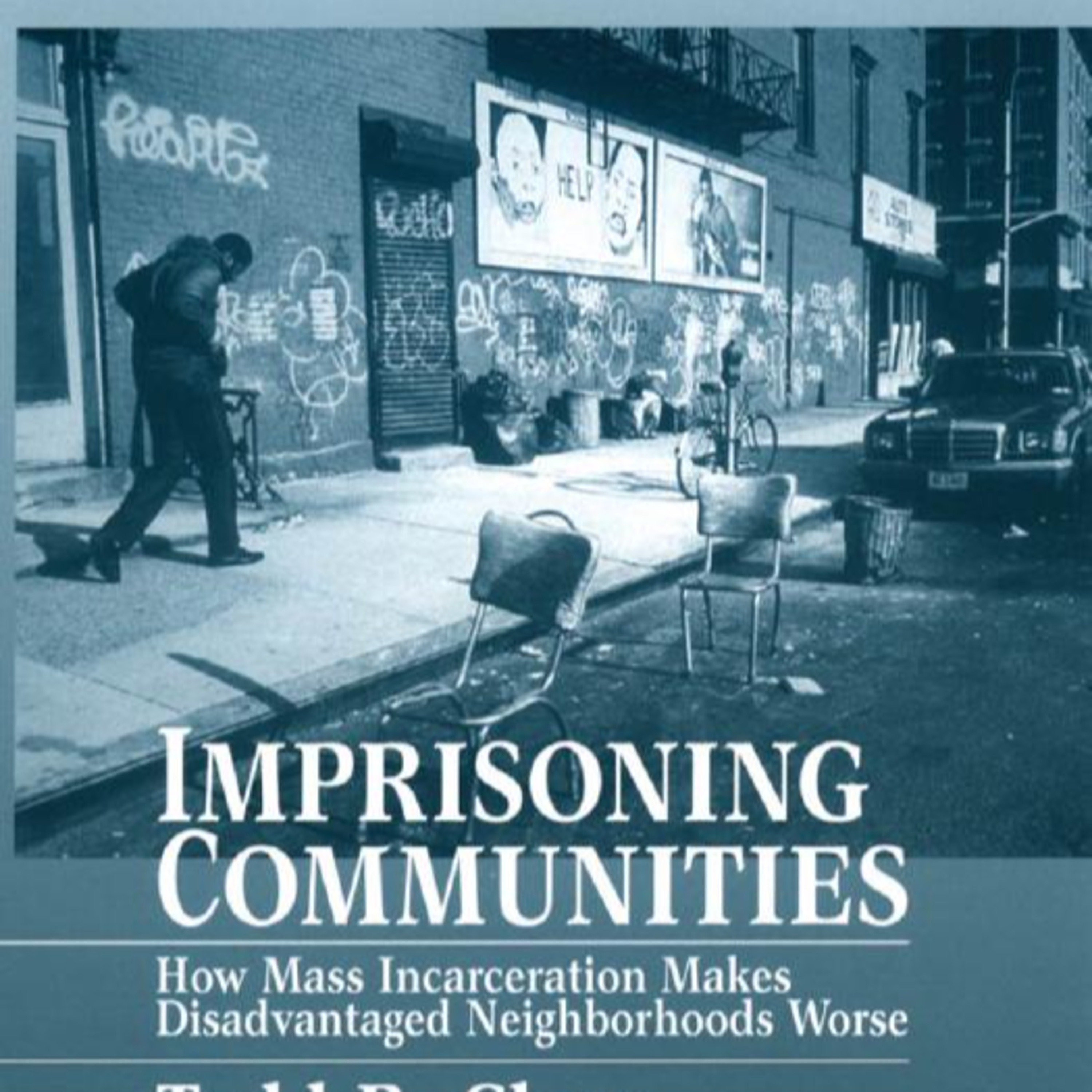
Imprisoning Communities: How Mass Incarceration Makes Disadvantaged Neighborhoods Worse — Coercive Mobility
from Crisis in Perception · host Crisis in Perception
What happens when imprisonment becomes concentrated so heavily in particular neighborhoods that incarceration itself becomes part of the environment those communities must continually adapt to?Welcome to Crisis in Perception, where we examine the systems shaping our world.Using Imprisoning Communities: How Mass Incarceration Makes Disadvantaged Neighborhoods Worse by Todd R. Clear as our lens, this investigation examines the community-level consequences of mass incarceration and the system Clear calls “coercive mobility.”Clear argues that incarceration in the United States became disproportionately concentrated among young, poor, minority men from disadvantaged neighborhoods. Because almost everyone sent to prison eventually returns, these communities experience not simply removal but repeated cycles of removal and reentry.Those cycles can affect family stability, employment, social networks, social capital, collective efficacy, institutional trust, and informal social control. At high enough concentrations, Clear argues, the cumulative effects may become criminogenic—meaning a policy intended to suppress crime may begin contributing to some of the conditions associated with crime.The investigation also examines the limits of deterrence and incapacitation, diminishing returns from expanded imprisonment, drug sentencing and parole policy, the concentration of incarceration by place, and Clear’s case for sentencing reform and community justice.Importantly, Clear does not present every component of the “backfire” hypothesis as conclusively proven. Studies reviewed in the book produce mixed findings, illustrating how difficult it is to separate incarceration’s effects from the crime and disadvantage that also influence incarceration rates.The larger systems question is therefore not whether prison has any crime-prevention effect. It plainly can. The question is what happens when one form of formal social control becomes so concentrated that it begins altering the informal social systems upon which public safety also depends.📺 Watch on YouTube:https://youtu.be/sZs2MBjETMw❤️ Support / Episode Post on Patreon:https://www.patreon.com/CrisisinPerception/posts/imprisoning-how-168716012?utm_medium=clipboard_copy&utm_source=copyLink&utm_campaign=postshare_creator&utm_content=join_linkIf these ideas resonate, consider reading the work yourself or borrowing it from your local library. Supporting authors and libraries helps keep critical inquiry accessible.If you value systems-level analysis like this, please follow, rate, and share the project.This content was created using AI-assisted tools for research synthesis, structuring, and narration support. All analysis, framing, and editorial decisions are guided by human judgment as part of the Crisis in Perception project.
Embed this episode
Ready to play
Imprisoning Communities: How Mass Incarceration Makes Disadvantaged Neighborhoods Worse — Coercive Mobility
No transcript for this episode yet
Similar Episodes
No similar episodes found.
Similar Podcasts
No similar podcasts found.