
EPISODE · Jun 10, 2026 · 52 MIN
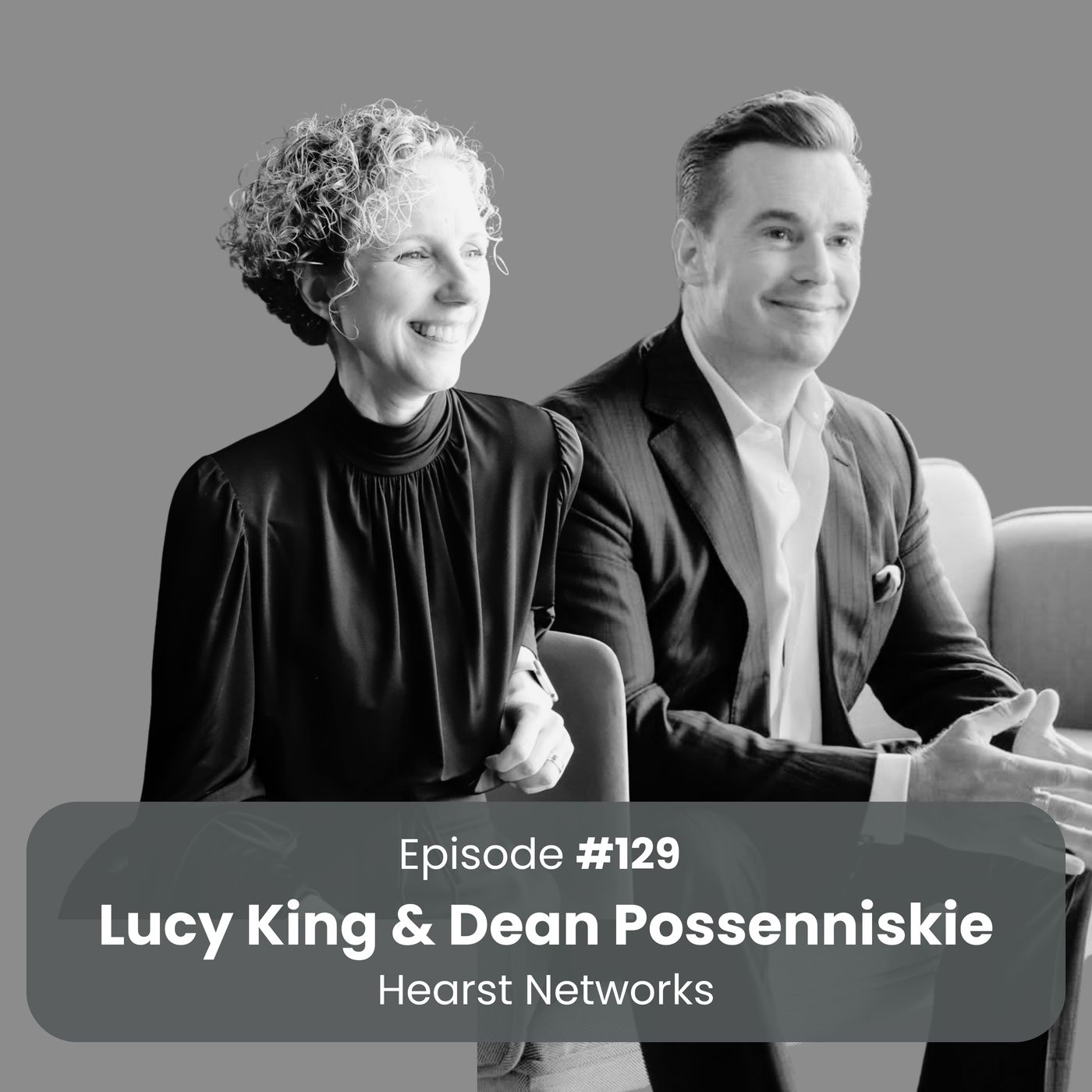
Inside Hearst Networks’ Culture and Profit Revolution: Lucy King & Dean Possenniskie
from Workplace Stories by RedThread Research · host Stacia Garr & Dani Johnson
Organizational change is now a constant rather than a phase. Few stories illustrate this better than Hearst Networks’ journey, as shared by Dean Possenniskie, CEO, and Lucy King, Chief People Officer, on this episode of Workplace Stories. Moving from a legacy cable business into a diversified, higher-margin media powerhouse, Hearst proves that reinvention is possible not just for startups but for well-established companies with deep roots and long histories.Hearst, an organization with a legacy and heritage, and a willingness to continually reinvent itself, has adopted the “phoenix” metaphor to frame its transformation. They’ve made hard choices, like closing brands, exiting joint ventures, and even shutting offices, before expanding into new partnerships with giants like Sky, Amazon, Apple, and YouTube. You will want to hear this episode if you are interested in...[07:59] Working in HR during transformations[12:36] Transitioning to full Hearst ownership[18:29] Crafting a purpose statement[21:12] Why it pays to implement a coaching mindset[25:30] Investing in learning and development[32:11] Defining company values and culture[37:08] Improving profitability and growth focus[39:16] Valuing autonomy and trust at Hearst[44:15] Encouraging innovation company-wide[47:14] Balancing governance with creative autonomyCulture at the CoreCulture is often seen as a soft layer, a set of values on a wall, or the flavor of the latest offsite. Dean Possenniskie and Lucy King see it differently: culture had to be the engine of transformation, integral to performance and strategy. One of Dean’s earliest moves was to reposition the people and culture function away from finance, placing it directly alongside the CEO—a signal of culture’s importance as a business driver.The results speak for themselves. While revenues declined 20%, margins grew by more than 40%, and internal workplace surveys saw “great place to work” scores leap from 53% to over 80%. This wasn’t about being “nice,” but about creating a place where people could do their best work, take risks, and feel empowered.Building Change MuscleA core tenet of Hearst’s approach to transformation was empowerment at every level. Lucy describes removing archaic performance systems and replacing them with coaching-centered one-to-ones, helping managers foster a sense of ownership, capability, and resilience in their teams. The organization invested in professional coaching for anyone, at any level, who requested it, a significant commitment, but one tailored for maximum impact rather than blanket sameness.This was complemented with mentoring, leveraging technology to link senior leaders with mentees across the company. This “bottom-up” ethos even shaped their AI and technology adoption: rather than mandating tools from the top, creative, programming, and scheduling teams were given room to experiment and bring forward the solutions that actually worked for them.The Power of Purpose and the “Deal”Change is unsettling, and ambiguity can erode trust. To anchor their people, the leadership spent months articulating a purpose statement—a north star for decision-making and daily work. More boldly, they introduced “our deal,” a written two-way document explaining not just what the company expected from employees, but what employees could expect in return: support, development, and clear direction.Dean describes this as adult-to-adult relationship building. It’s about empowering personal leadership and ownership, backed by transparent communication—even when delivering hard messages or acknowledging failures. As they say, “we learn fast, not fail fast.” Resources & People MentionedAbout - HEARSTLeave Something on the Table: and Other Surprising Lessons for Success in Business and in Life by Frank Bennack The Problem with Change: And the Essential Nature of Human Performance Kindle Edition by Ashley Goodall Understand the network dynamics of culture'Sapiens' by Yuval Noah HarariConnect with Lucy King and Dean PossenniskieLucy King | Hearst Networks EMEA Dean Possenniskie | Hearst Networks EMEA Connect With Red Thread ResearchWebsite: RedThread ResearchOn LinkedInOn FacebookOn TwitterSubscribe to WORKPLACE STORIES
What this episode covers
Organizational change is now a constant rather than a phase. Few stories illustrate this better than Hearst Networks’ journey, as shared by Dean Possenniskie, CEO, and Lucy King, Chief People Officer, on this episode of Workplace Stories. Moving from a legacy cable business into a diversified, higher-margin media powerhouse, Hearst proves that reinvention is possible not just for startups but for well-established companies with deep roots and long histories.Hearst, an organization with a legacy and heritage, and a willingness to continually reinvent itself, has adopted the “phoenix” metaphor to frame its transformation. They’ve made hard choices, like closing brands, exiting joint ventures, and even shutting offices, before expanding into new partnerships with giants like Sky, Amazon, Apple, and YouTube. You will want to hear this episode if you are interested in...[07:59] Working in HR during transformations[12:36] Transitioning to full Hearst ownership[18:29] Crafting a purpose statement[21:12] Why it pays to implement a coaching mindset[25:30] Investing in learning and development[32:11] Defining company values and culture[37:08] Improving profitability and growth focus[39:16] Valuing autonomy and trust at Hearst[44:15] Encouraging innovation company-wide[47:14] Balancing governance with creative autonomyCulture at the CoreCulture is often seen as a soft layer, a set of values on a wall, or the flavor of the latest offsite. Dean Possenniskie and Lucy King see it differently: culture had to be the engine of transformation, integral to performance and strategy. One of Dean’s earliest moves was to reposition the people and culture function away from finance, placing it directly alongside the CEO—a signal of culture’s importance as a business driver.The results speak for themselves. While revenues declined 20%, margins grew by more than 40%, and internal workplace surveys saw “great place to work” scores leap from 53% to over 80%. This wasn’t about being “nice,” but about creating a place where people could do their best work, take risks, and feel empowered.Building Change MuscleA core tenet of Hearst’s approach to transformation was empowerment at every level. Lucy describes removing archaic performance systems and replacing them with coaching-centered one-to-ones, helping managers foster a sense of ownership, capability, and resilience in their teams. The organization invested in professional coaching for anyone, at any level, who requested it, a significant commitment, but one tailored for maximum impact rather than blanket sameness.This was complemented with mentoring, leveraging technology to link senior leaders with mentees across the company. This “bottom-up” ethos even shaped their AI and technology adoption: rather than mandating tools from the top, creative, programming, and scheduling teams were given room to experiment and bring forward the solutions that actually worked for them.The Power of Purpose and the “Deal”Change is unsettling, and ambiguity can erode trust. To anchor their people, the leadership spent months articulating a purpose statement—a north star for decision-making and daily work. More boldly, they introduced “our deal,” a written two-way document explaining not just what the company expected from employees, but what employees could expect in return: support, development, and clear direction.Dean describes this as adult-to-adult relationship building. It’s about empowering personal leadership and ownership, backed by transparent communication—even when delivering hard messages or acknowledging failures. As they say, “we learn fast, not fail fast.” Resources & People Mentioned<br...
NOW PLAYING
Inside Hearst Networks’ Culture and Profit Revolution: Lucy King & Dean Possenniskie
No transcript for this episode yet
Similar Episodes
Mar 26, 2026 ·1m
Jan 2, 2026 ·47m
Dec 21, 2025 ·46m