
EPISODE · Sep 13, 2026 · 45 MIN
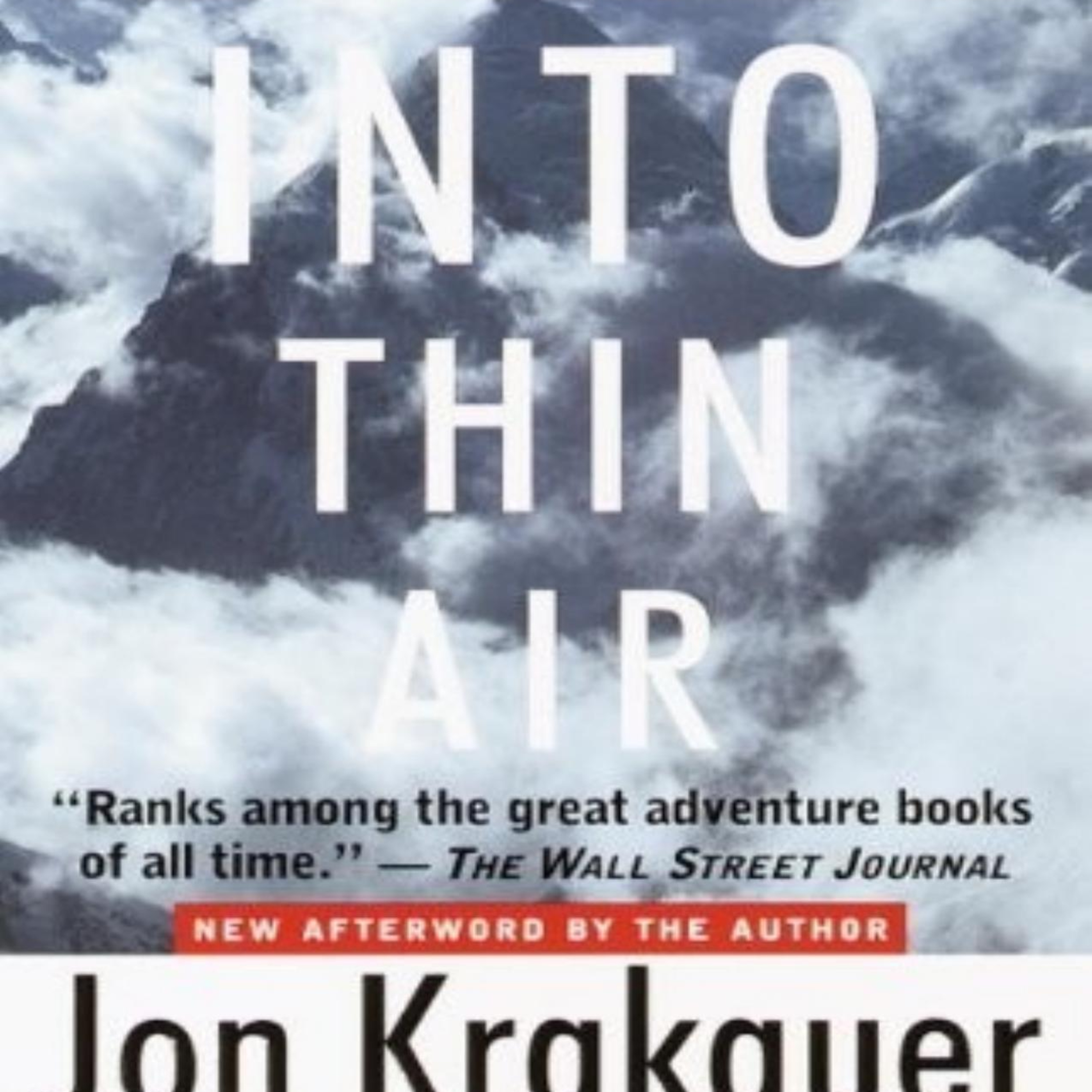
Into Thin Air: A Personal Account of the Mt. Everest Disaster — When Safety Margins Collapse
from Crisis in Perception · host Crisis in Perception
What happens when a system designed to manage extreme risk begins consuming its own margin for error?Welcome to Crisis in Perception, where we examine the systems shaping our world.Using Into Thin Air: A Personal Account of the Mt. Everest Disaster by Jon Krakauer as our lens, this Deep Dive examines the interacting pressures behind the 1996 Mount Everest disaster.Krakauer arrived on Everest as both an experienced climber and a journalist investigating the growing commercialization of the mountain. His account ultimately became something more difficult: a reconstruction of catastrophe from inside a system where ambition, professional guiding, client expectations, crowding, finite oxygen, deteriorating weather, physical exhaustion, and severe cognitive impairment were operating at the same time.Viewed structurally, the disaster was not simply a matter of one storm or one disastrous decision. Time was being lost at bottlenecks. Climbers continued upward as critical turnaround thresholds approached or passed. Oxygen supplies were finite. Physical reserves were shrinking. Communication became more difficult. And above 25,000 feet, the same people responsible for recognizing danger were increasingly vulnerable to hypoxia and impaired judgment.The central tension is between summit achievement and preserved resilience. Fixed ropes, bottled oxygen, Sherpa support, professional guides, and sophisticated logistics made Everest more accessible, but they could not remove the mountain’s underlying constraints. Each layer of support reduced some risks while creating confidence that the system might be more controllable than it really was.Krakauer also complicates the search for a clean explanation. Exhaustion, oxygen deprivation, trauma, and conflicting memories made the events difficult to reconstruct even for people who experienced them firsthand. The result is a powerful case study in how complex failures emerge—and why hindsight can make causation appear simpler than it was in the moment.This investigation traces shrinking safety margins, organizational hierarchy, commercial incentives, high-altitude cognition, bottlenecks, turnaround discipline, and the interaction between human systems and an unforgiving physical environment.📺 Watch on YouTube:https://youtu.be/FQWg6if8_Yg❤️ Support / Episode Post on Patreon:https://www.patreon.com/CrisisinPerception/posts/into-thin-air-of-169435036?utm_medium=clipboard_copy&utm_source=copyLink&utm_campaign=postshare_creator&utm_content=join_linkIf these ideas resonate, consider reading the work yourself or borrowing it from your local library. Supporting authors and libraries helps keep critical inquiry accessible.If you value systems-level analysis like this, please follow, rate, and share the project.This content was created using AI-assisted tools for research synthesis, structuring, and narration support. All analysis, framing, and editorial decisions are guided by human judgment as part of the Crisis in Perception project.
Embed this episode
Ready to play
Into Thin Air: A Personal Account of the Mt. Everest Disaster — When Safety Margins Collapse
No transcript for this episode yet
Similar Episodes
No similar episodes found.
Similar Podcasts
No similar podcasts found.