
EPISODE · May 10, 2026 · 15 MIN
Jeffrey Epstein, The Treasury Department And The Red Flags That Were Ignored
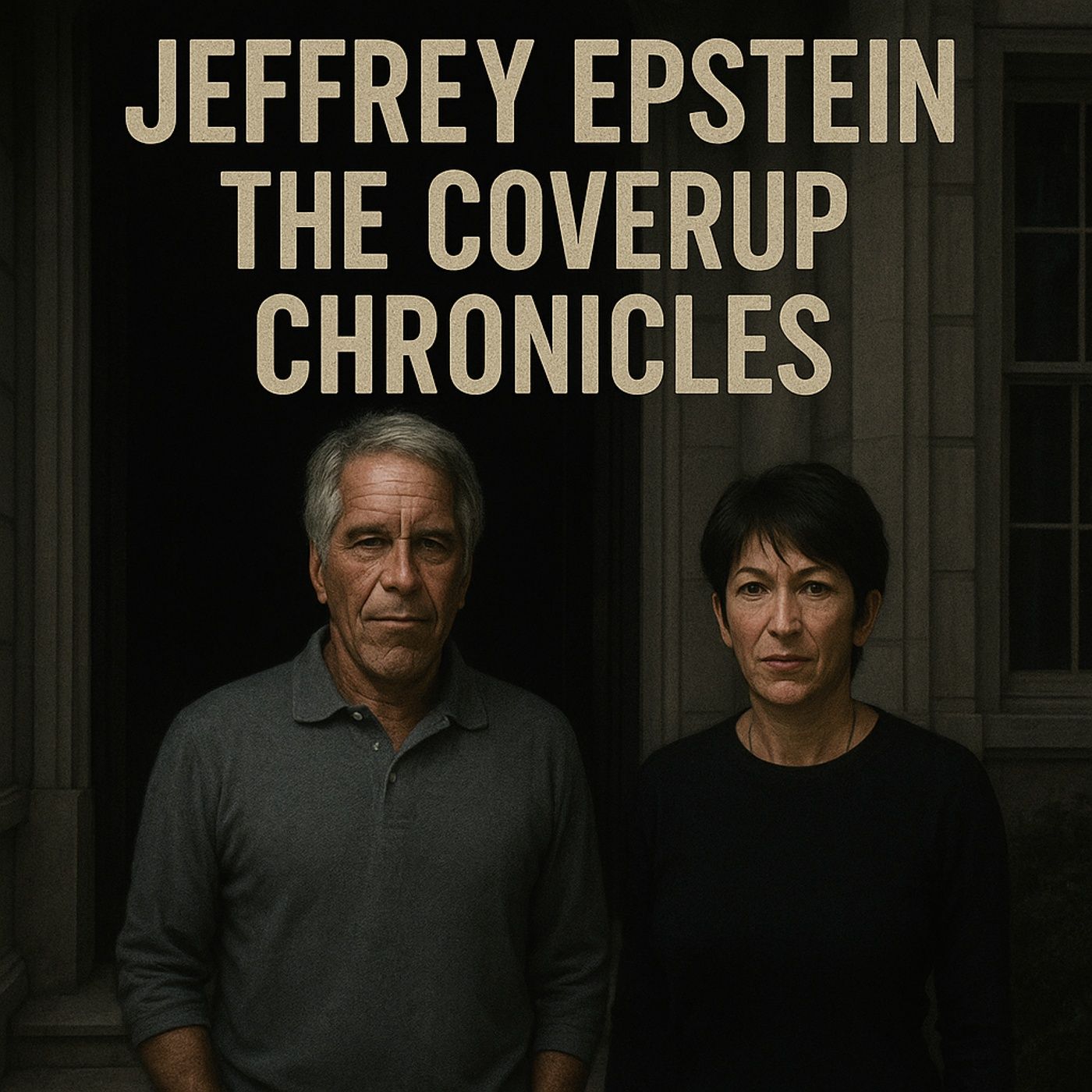
from Jeffrey Epstein: The Coverup Chronicles · host Bobby Capucci
Suspicious Activity Reports, or SARs, are confidential filings that financial institutions are legally required to send to the Treasury Department’s Financial Crimes Enforcement Network (FinCEN) whenever they detect transactions that may indicate money laundering, fraud, sanctions evasion, or other criminal activity. They’re not evidence of a crime by themselves, but rather red flags—signals that something looks off. Banks, casinos, brokerages, and even crypto platforms file them routinely, and once submitted, they’re closely guarded, unavailable to the public, and protected by strict “no tipping off” rules. Law enforcement uses SARs to trace illicit networks, connect patterns across different institutions, and build out investigations into everything from drug cartels and terrorist cells to human trafficking and large-scale fraud schemes.Now those same reports sit at the center of a political firestorm. House Oversight Chair James Comer has formally requested that the Treasury Department turn over all SARs connected to Jeffrey Epstein and Ghislaine Maxwell. His demand signals an attempt to pull back the veil on what banks flagged about Epstein’s vast financial web—wires, transfers, shell accounts, and potential facilitators. If granted, the request could provide Congress with a rare inside look at the money trails behind Epstein’s operations, though it also raises thorny questions about confidentiality, precedent, and how much of this intelligence should be made public.to contact me:[email protected]:Comer requests Epstein, Maxwell records from Treasury Secretary | Fox News
Embed this episode
NOW PLAYING
Jeffrey Epstein, The Treasury Department And The Red Flags That Were Ignored
No transcript for this episode yet
Similar Episodes
No similar episodes found.
Similar Podcasts
No similar podcasts found.