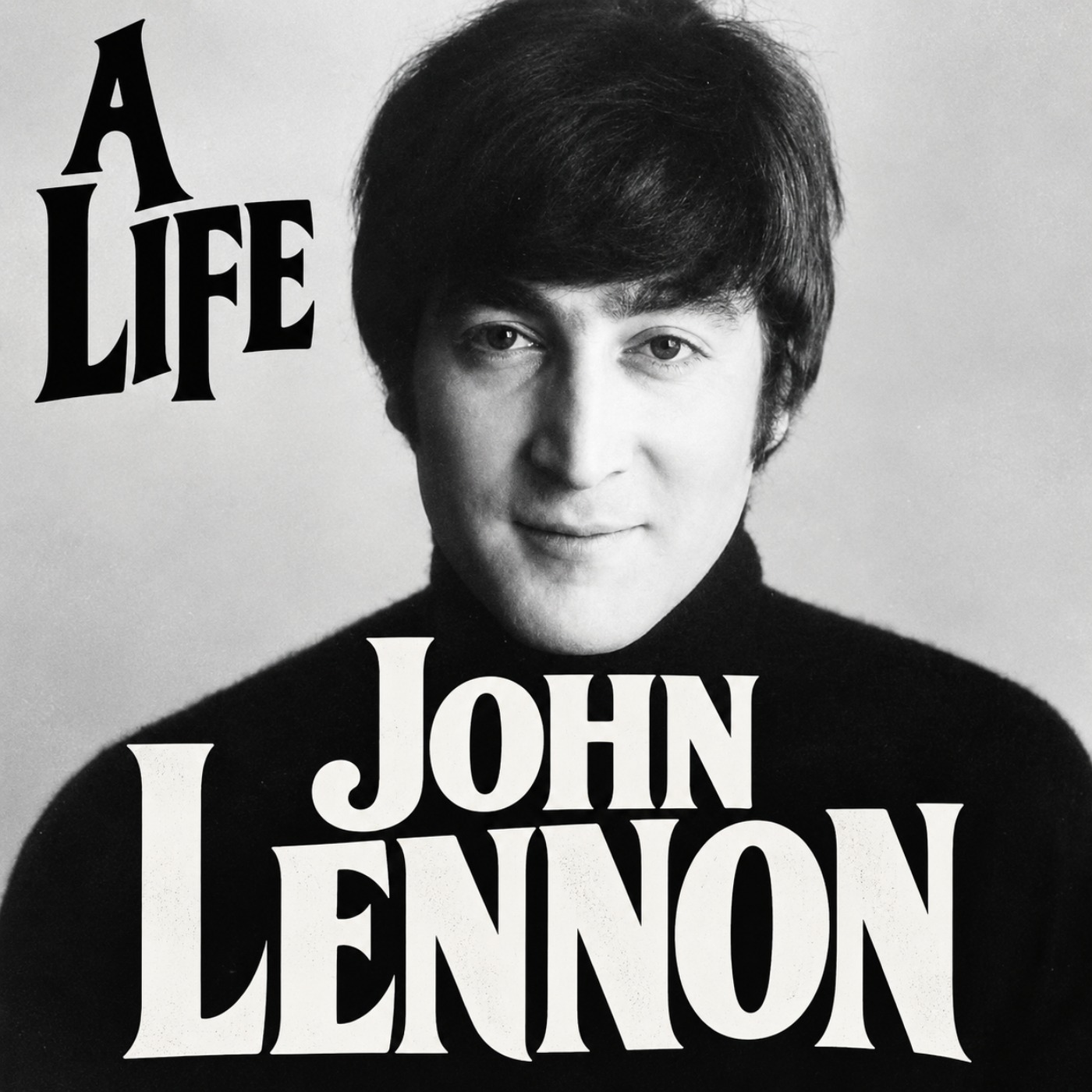
John Lennon Chapter 2- The Beatles
from A Life with Paul Carmichael
Episode 2: The Beatles Having met Paul McCartney, John Lennon begins the process of turning youthful ambition into a working musical partnership. This episode follows the development of the Quarrymen, the arrival of George Harrison, and the growing creative relationship between John and Paul. We explore the significance of Liverpool College of Art and Lennon’s friendship with Stuart Sutcliffe, whose influence extended beyond music into art, identity and the culture surrounding the group. The story then moves to Hamburg, where relentless performances in unfamiliar surroundings helped transform a collection of young musicians into a tougher, more experienced band. The episode also examines the arrival of Brian Epstein, the rejection by Decca Records, the Beatles’ first recording sessions with George Martin, and the controversial dismissal of drummer Pete Best. Along the way, John experiences personal upheaval, including the death of Stuart Sutcliffe and his marriage to Cynthia Powell. By October 1962, the Beatles’ line-up is established, and Love Me Do has entered the British charts. The world has not yet experienced Beatlemania, but the foundations of the group’s extraordinary success are in place. SOURCES AND RESEARCH NOTES The episode draws on contemporary documentation of the Beatles’ early career, retrospective interviews with Lennon and McCartney, official Beatles historical material, and research relating to Liverpool College of Art, the Hamburg period and the group’s early recording history. Key source bases identified during the research include The Beatles Anthology, the John Lennon official archive, British Library holdings relating to Barry Miles’s interviews with Lennon, Liverpool John Moores University archive material concerning Liverpool College of Art, and contemporary and retrospective documentation of the Beatles’ early recording career. The script treats later recollections by Lennon and McCartney as retrospective testimony, recognising that memories can differ and that individual accounts may change over time. It deliberately avoids presenting the famous claim that Decca rejected the Beatles because “guitar groups are on the way out” as established fact. Similarly, the episode does not reduce Stuart Sutcliffe’s role to his musical ability, nor does it attribute Pete Best’s dismissal to a single uncontested cause. The emphasis is on the combination of musical development, personal relationships, chance, management and professional decisions that helped create the Beatles familiar to the world. The episode concludes with the release of Love Me Do in October 1962, establishing the historical point from which the next stage of Lennon’s life begins. Researched, written and read by Paul Carmichael.
Embed this episode
No transcript yet.