
EPISODE · May 13, 2026 · 1H 14M
“KinKeeper” Where Did All the Big Mamas Go? “Is the African-American Community Fully Converted to Society’s Individualistic Mindset?”
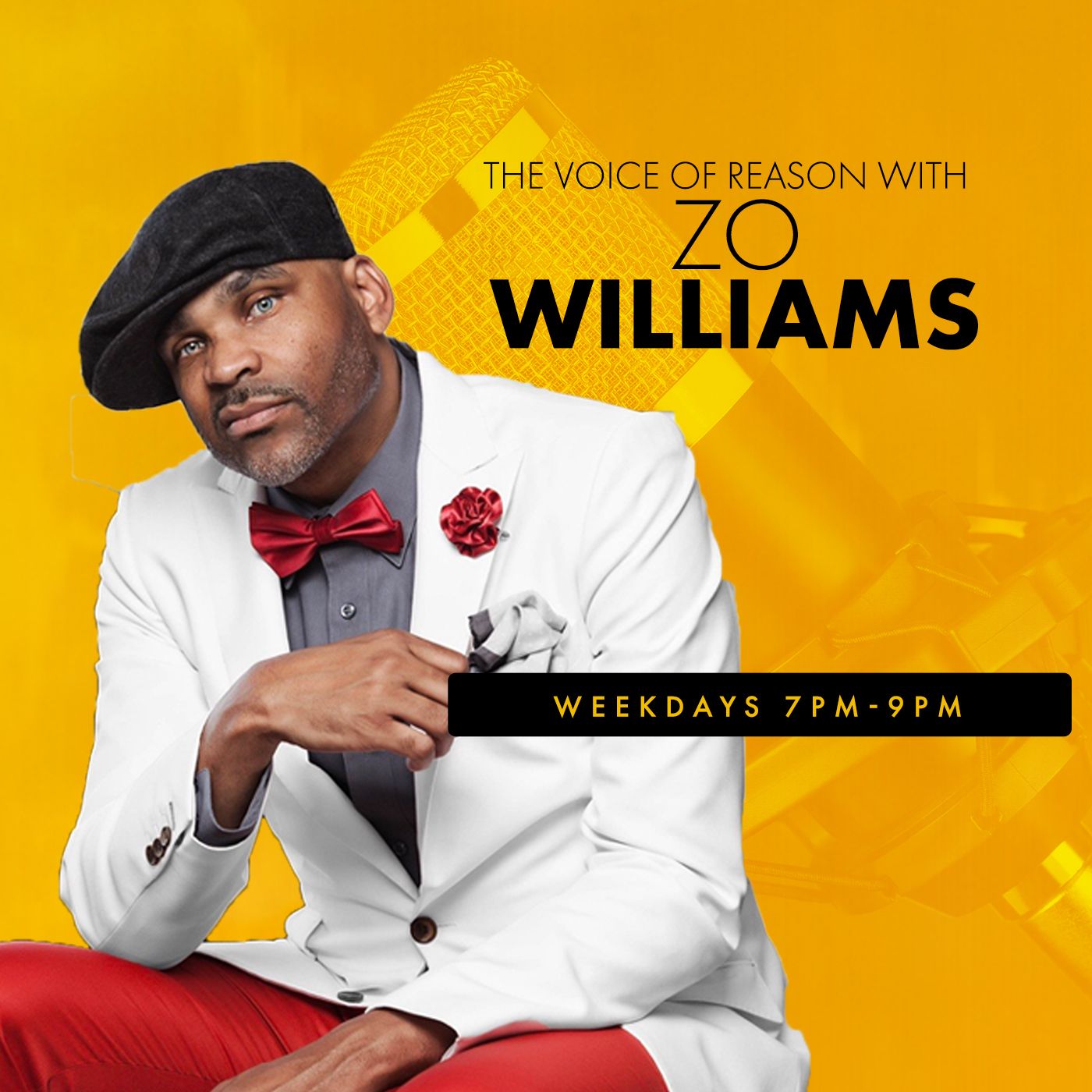
from Zo Williams: Voice of Reason · host KBLA 1580 Am
“KinKeeper” Where Did All the Big Mamas Go? “Is the African-American Community Fully Converted to Society’s Individualistic Mindset?” Tonight’s conversation ruptures the fake simplicity of “family talk” and drags us directly into the psychological autopsy of a civilization losing its emotional loadbearing structures in real time. Somewhere between social media, survival capitalism, hyper-individualism, therapy language, algorithmic reality, burnout culture, economic exhaustion, and digital self-construction, the African-American community may have quietly drifted from a collectivistic nervous system into a privatized survival mentality where emotional responsibility increasingly feels heavier than love itself. Big Mama represented more than an elder. She functioned as infrastructure. Emotional regulation. Historical continuity. Nervous-system stabilization. Spiritual accountability. Kinship memory. Conflict mediation. Intergenerational translation. She carried people through grief, addiction, betrayal, financial collapse, violence, depression, church hurt, infidelity, and psychological fragmentation without constantly announcing her exhaustion to the world. Modern culture now produces people who require isolation to recover from ordinary interaction itself. That contradiction deserves examination. How did a people who survived slavery, segregation, lynching, economic exclusion, redlining, and collective trauma through communal interdependence gradually become psychologically reorganized around “leave me alone,” “protect my peace,” “I don’t owe anybody anything,” and emotionally gated self-preservation? How did boundaries become more aspirational than belonging? How did convenience become more valuable than continuity? How did the algorithm become more emotionally influential than the elder? This generation possesses unprecedented access to information while simultaneously struggling to sustain community, patience, relational endurance, and collective emotional stewardship. Many people now possess followers instead of villages, platforms instead of porches, visibility instead of intimacy, therapeutic vocabulary instead of nervous-system resilience, and personalized feeds instead of kinship identity. The deeper question waiting beneath tonight’s topic vibrates with terrifying weight: Did Big Mama disappear? Or did modern society psychologically condition people out of the capacity, endurance, sacrifice, empathy, and spiritual stamina required to become her? Questions to consider: When the Black family stopped gathering around the dinner table and started gathering around personalized algorithms, did technology quietly replace Big Mama as the architect of values? If previous generations inherited identity through kinship, church, neighborhood, ritual, and oral storytelling, what happens when modern identity gets outsourced to screens, influencers, and digital spectatorship? Has social media transformed community from a lived experience into a performance economy where visibility matters more than responsibility? Did smartphones make communication constant while simultaneously destroying emotional intimacy? If Big Mama once represented a living archive of memory, what happens when Google replaces elders as the first source of wisdom? Has technology democratized knowledge while simultaneously eroding reverence for lived experience? When children can access millions of strangers online but barely know their cousins, what kind of social evolution are we actually witnessing? Did the African-American community survive historical oppression through collective interdependence only to enter modernity and voluntarily adopt hyper-individualism as success? Has the language of “freedom” quietly become the language of disconnection? If social media monetizes attention, outrage, desirability, and self-display, can communal consciousness survive inside an economy built on personal branding?
What this episode covers
“KinKeeper” Where Did All the Big Mamas Go? “Is the African-American Community Fully Converted to Society’s Individualistic Mindset?” Tonight’s conversation ruptures the fake simplicity of “family talk” and drags us directly into the psychological autopsy of a civilization losing its emotional loadbearing structures in real time. Somewhere between social media, survival capitalism, hyper-individualism, therapy language, algorithmic reality, burnout culture, economic exhaustion, and digital self-construction, the African-American community may have quietly drifted from a collectivistic nervous system into a privatized survival mentality where emotional responsibility increasingly feels heavier than love itself. Big Mama represented more than an elder. She functioned as infrastructure. Emotional regulation. Historical continuity. Nervous-system stabilization. Spiritual accountability. Kinship memory. Conflict mediation. Intergenerational translation. She carried people through grief, addiction, betrayal, financial collapse, violence, depression, church hurt, infidelity, and psychological fragmentation without constantly announcing her exhaustion to the world. Modern culture now produces people who require isolation to recover from ordinary interaction itself. That contradiction deserves examination. How did a people who survived slavery, segregation, lynching, economic exclusion, redlining, and collective trauma through communal interdependence gradually become psychologically reorganized around “leave me alone,” “protect my peace,” “I don’t owe anybody anything,” and emotionally gated self-preservation? How did boundaries become more aspirational than belonging? How did convenience become more valuable than continuity? How did the algorithm become more emotionally influential than the elder? This generation possesses unprecedented access to information while simultaneously struggling to sustain community, patience, relational endurance, and collective emotional stewardship. Many people now possess followers instead of villages, platforms instead of porches, visibility instead of intimacy, therapeutic vocabulary instead of nervous-system resilience, and personalized feeds instead of kinship identity. The deeper question waiting beneath tonight’s topic vibrates with terrifying weight: Did Big Mama disappear? Or did modern society psychologically condition people out of the capacity, endurance, sacrifice, empathy, and spiritual stamina required to become her? Questions to consider: When the Black family stopped gathering around the dinner table and started gathering around personalized algorithms, did technology quietly replace Big Mama as the architect of values? If previous generations inherited identity through kinship, church, neighborhood, ritual, and oral storytelling, what happens when modern identity gets outsourced to screens, influencers, and digital spectatorship? Has social media transformed community from a lived experience into a performance economy where visibility matters more than responsibility? Did smartphones make communication constant while simultaneously destroying emotional intimacy? If Big Mama once represented a living archive of memory, what happens when Google replaces elders as the first source of wisdom? Has technology democratized knowledge while simultaneously eroding reverence for lived experience? When children can access millions of strangers online but barely know their cousins, what kind of social evolution are we actually witnessing? Did the African-American community survive historical oppression through collective interdependence only to enter modernity and voluntarily adopt hyper-individualism as success? Has the language of “freedom” quietly become the language of disconnection? If social media monetizes attention, outrage, desirability, and self-display, can communal consciousness survive inside an economy built on personal branding?
NOW PLAYING
“KinKeeper” Where Did All the Big Mamas Go? “Is the African-American Community Fully Converted to Society’s Individualistic Mindset?”
No transcript for this episode yet
Similar Episodes
Mar 26, 2026 ·1m
Mar 19, 2026 ·34m
Feb 18, 2026 ·11m
Feb 11, 2026 ·45m