
EPISODE · Jun 5, 2026 · 21 MIN
Left vs. Right Is a Distraction: The Cross-Partisan Web Around Epstein
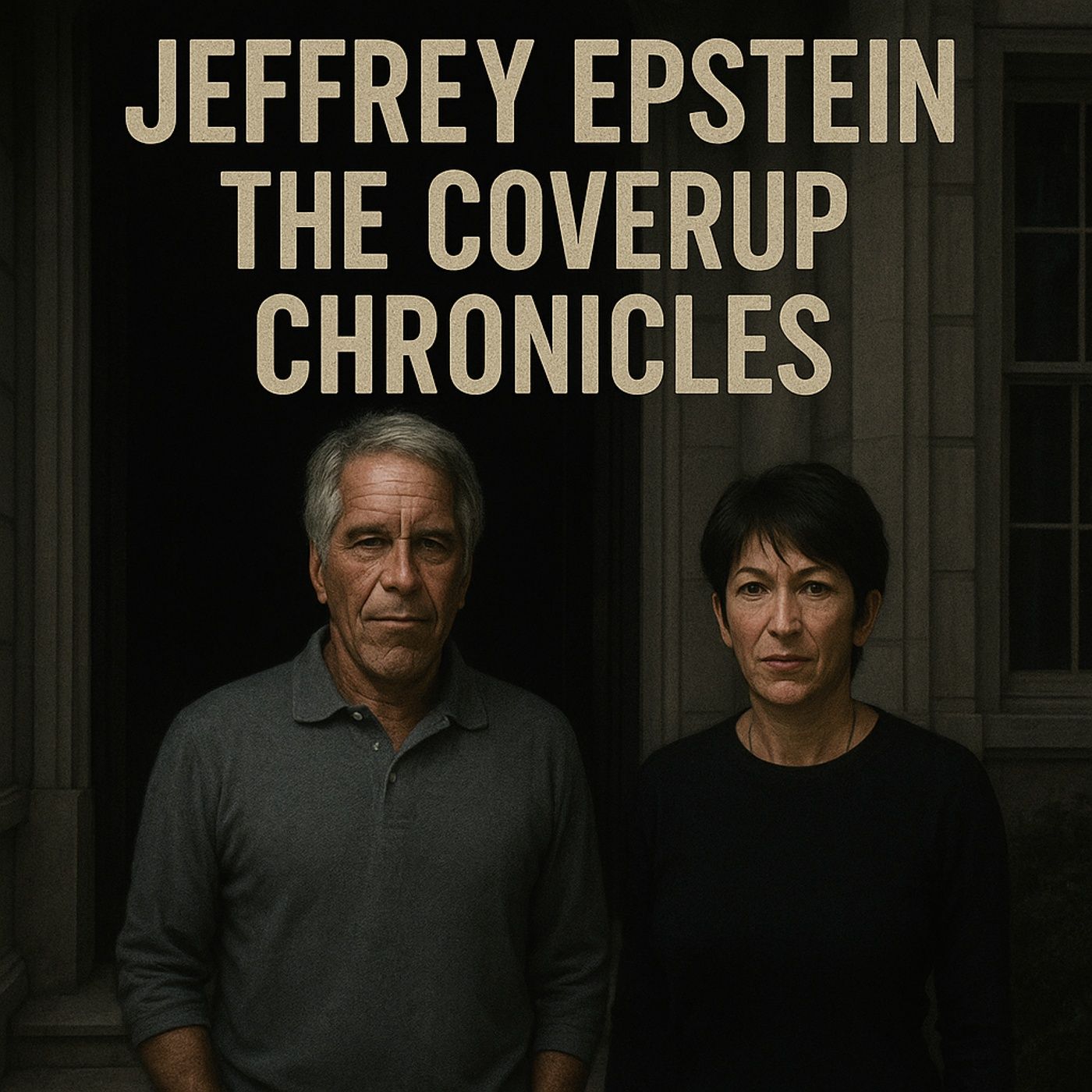
from Jeffrey Epstein: The Coverup Chronicles · host Bobby Capucci
Jeffrey Epstein’s rise, protection, and long run of abuse cannot be honestly framed as a partisan scandal. He cultivated relationships across the political spectrum—courting Democrats and Republicans, donating to candidates, socializing with presidents and princes, embedding himself in elite universities, financial institutions, and think tanks. His 2008 non-prosecution agreement in Florida was negotiated under a Republican U.S. attorney, but later federal oversight failures, intelligence lapses, and regulatory blind spots spanned multiple administrations. He moved easily between Wall Street, academia, philanthropy, and politics, exploiting a culture in which wealth and access often buy insulation. The machinery that allowed him to operate—deferred prosecution deals, sealed records, lax oversight in federal detention, and elite deference—was not owned by one party. It was enabled by a system that too often prioritizes influence, reputation management, and institutional self-protection over transparency and accountability.Reducing Epstein to a left-versus-right talking point obscures the broader failure: a bipartisan ecosystem of power that tolerated, minimized, or ignored red flags because he was useful, connected, or financially valuable. Figures from both sides distanced themselves only after public exposure forced their hand. The revolving doors between government, finance, and academia, along with opaque plea negotiations and limited victim notification, reveal structural weaknesses that transcend party labels. When scrutiny becomes selective—weaponized against political opponents while allies receive softer treatment—it reinforces the very dynamics that allowed Epstein to thrive. Accountability, if it is to mean anything, must confront institutional incentives, prosecutorial discretion, and elite gatekeeping across administrations. The scandal endures not because it belongs to one ideology, but because it exposed a system in which power protected power.to contact me:[email protected]:Epstein was invited to gatherings with a dozen members of Congress years after his initial arrest, documents reveal | The Independent
Embed this episode
NOW PLAYING
Left vs. Right Is a Distraction: The Cross-Partisan Web Around Epstein
No transcript for this episode yet
Similar Episodes
No similar episodes found.
Similar Podcasts
No similar podcasts found.