
EPISODE · Jan 22, 2026 · 2H 53M
LEVITICUS 11 — CLEAN AND UNCLEAN, DISTINCTION, AND DAILY COVENANT OBEDIENCE
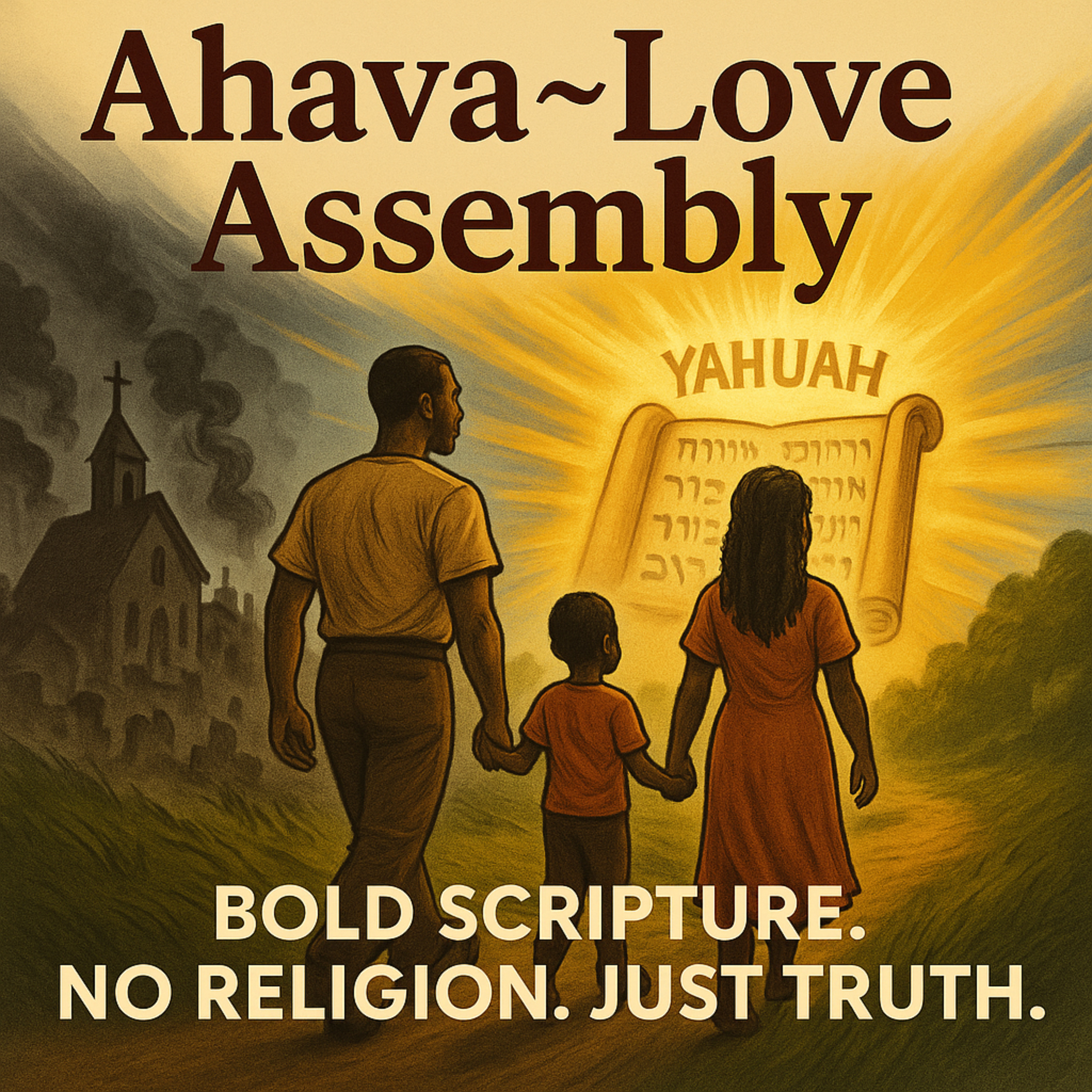
from Ahava~Love Assembly Podcast · host Kerry Battle | Ahava~Love Assembly
“Holiness at the Table: Discernment Through Repetition”Teachers: Kerry & Karen BattleAhava ~ Love AssemblyThis Torah class continues our verse-by-verse instruction through the book of Leviticus and addresses covenant obedience at its most daily and unavoidable level: what enters the body of Yisra’el.Leviticus 11 is not symbolic.It is not cultural.It is not optional.This chapter establishes Yahuah’s distinctions between clean and unclean and trains Israel in discipline, restraint, and self-governance through repeated obedience. Holiness here is not emotional or dramatic. It is practiced, measurable, and enforced through daily conduct.This lesson is taught verse-by-verse, precept upon precept, using a judicial structure that keeps authority in the text and removes negotiation.This is not dietary preference.This is covenant law.WHAT WE COVER IN THIS MESSAGE1. Authority Over AppetiteLeviticus 11:1–2Yahuah speaks to Moses and Aaron and commands them to instruct all Israel. Eating is placed under covenant authority. No one is exempt. Obedience at the table becomes a national responsibility, not a personal choice.2. Distinction by Defined StandardsLeviticus 11:3–8Clean land animals must meet two conditions. Partial qualification does not count. Yahuah names animals that appear close to clean in order to eliminate rationalization. Near-obedience is rejected.3. Environment Does Not Change ObedienceLeviticus 11:9–12Water creatures are governed by the same clarity. Fins and scales are required. Context does not override command. Location never excuses deviation.4. Nature MattersLeviticus 11:13–19Predatory and scavenger birds are forbidden by name. Israel is prohibited from consuming what feeds on death. Diet is tied to covenant character.5. Exceptions Require CommandLeviticus 11:20–23Winged swarming things are largely forbidden, with specific named exceptions. Permission does not come from usefulness or tradition. Silence from Torah is not approval.6. Defilement Without ConsumptionLeviticus 11:24–28Uncleanness is transmitted through contact. Defilement does not require intent or appetite. Obedience includes restraint and acceptance of interruption.7. Absolute ProhibitionsLeviticus 11:29–31Creeping and ground-dwelling creatures are unclean entirely. No justification is given because none is required. Familiarity does not cleanse.8. Household TransmissionLeviticus 11:32–35Objects, tools, and shared spaces can become unclean. Obedience is not private. One person’s choices affect the household.9. Discernment Without PanicLeviticus 11:36–38Torah distinguishes between contamination and destruction. Clean sources remain clean. Israel is trained to discern, not overcorrect.10. Circumstance Alters PermissionLeviticus 11:39–40Even clean animals produce uncleanness when death is involved. What is permitted can become forbidden by condition.11. Self-Governance Under TorahLeviticus 11:41–43Negligence is treated as defilement. Israel is commanded not to make themselves detestable. Discipline must be internal.12. Purpose of the LawLeviticus 11:44–47Yahuah ties dietary obedience to holiness and identity. Distinction preserves covenant order. Discernment is the goal.WHY THIS MESSAGE MATTERSDaily obedience reveals authorityDistinction preserves holinessRepetition forms disciplineNegligence defilesHouseholds transmit obedience or disorderSelf-governance is required under covenant lawLeviticus 11 teaches that holiness is not proven in moments of crisis, but in ordinary, repeated obedience.SCRIPTURE REFERENCES FOR STUDYLeviticus 11Leviticus 20Deuteronomy 14Isaiah 65–66Ezekiel 4Ezekiel 44Malachi 1–2Every section is taught precept upon precept.ABOUT AHAVA ~ LOVE ASSEMBLYWe teach the Pure Word of Yahuah.No religion.No tradition.No compromise.
What this episode covers
“Holiness at the Table: Discernment Through Repetition”Teachers: Kerry & Karen BattleAhava ~ Love AssemblyThis Torah class continues our verse-by-verse instruction through the book of Leviticus and addresses covenant obedience at its most daily and unavoidable level: what enters the body of Yisra’el.Leviticus 11 is not symbolic.It is not cultural.It is not optional.This chapter establishes Yahuah’s distinctions between clean and unclean and trains Israel in discipline, restraint, and self-governance through repeated obedience. Holiness here is not emotional or dramatic. It is practiced, measurable, and enforced through daily conduct.This lesson is taught verse-by-verse, precept upon precept, using a judicial structure that keeps authority in the text and removes negotiation.This is not dietary preference.This is covenant law.WHAT WE COVER IN THIS MESSAGE1. Authority Over AppetiteLeviticus 11:1–2Yahuah speaks to Moses and Aaron and commands them to instruct all Israel. Eating is placed under covenant authority. No one is exempt. Obedience at the table becomes a national responsibility, not a personal choice.2. Distinction by Defined StandardsLeviticus 11:3–8Clean land animals must meet two conditions. Partial qualification does not count. Yahuah names animals that appear close to clean in order to eliminate rationalization. Near-obedience is rejected.3. Environment Does Not Change ObedienceLeviticus 11:9–12Water creatures are governed by the same clarity. Fins and scales are required. Context does not override command. Location never excuses deviation.4. Nature MattersLeviticus 11:13–19Predatory and scavenger birds are forbidden by name. Israel is prohibited from consuming what feeds on death. Diet is tied to covenant character.5. Exceptions Require CommandLeviticus 11:20–23Winged swarming things are largely forbidden, with specific named exceptions. Permission does not come from usefulness or tradition. Silence from Torah is not approval.6. Defilement Without ConsumptionLeviticus 11:24–28Uncleanness is transmitted through contact. Defilement does not require intent or appetite. Obedience includes restraint and acceptance of interruption.7. Absolute ProhibitionsLeviticus 11:29–31Creeping and ground-dwelling creatures are unclean entirely. No justification is given because none is required. Familiarity does not cleanse.8. Household TransmissionLeviticus 11:32–35Objects, tools, and shared spaces can become unclean. Obedience is not private. One person’s choices affect the household.9. Discernment Without PanicLeviticus 11:36–38Torah distinguishes between contamination and destruction. Clean sources remain clean. Israel is trained to discern, not overcorrect.10. Circumstance Alters PermissionLeviticus 11:39–40Even clean animals produce uncleanness when death is involved. What is permitted can become forbidden by condition.11. Self-Governance Under TorahLeviticus 11:41–43Negligence is treated as defilement. Israel is commanded not to make themselves detestable. Discipline must be internal.12. Purpose of the LawLeviticus 11:44–47Yahuah ties dietary obedience to holiness and identity. Distinction preserves covenant order. Discernment is the goal.WHY THIS MESSAGE MATTERSDaily obedience reveals authorityDistinction preserves holinessRepetition forms disciplineNegligence defilesHouseholds transmit obedience or disorderSelf-governance is required under covenant lawLeviticus 11 teaches that holiness is not proven in moments of crisis, but in ordinary, repeated obedience.SCRIPTURE REFERENCES FOR STUDYLeviticus 11Leviticus 20Deuteronomy 14Isaiah 65–66Ezekiel 4Ezekiel 44Malachi 1–2Every section is taught precept upon precept.ABOUT AHAVA ~ LOVE ASSEMBLYWe teach the Pure Word of Yahuah.No religion.No tradition.No compromise.
NOW PLAYING
LEVITICUS 11 — CLEAN AND UNCLEAN, DISTINCTION, AND DAILY COVENANT OBEDIENCE
No transcript for this episode yet
Similar Episodes
Mar 26, 2026 ·1m
Jan 2, 2026 ·47m
Dec 21, 2025 ·46m