
EPISODE · May 16, 2021 · 15 MIN
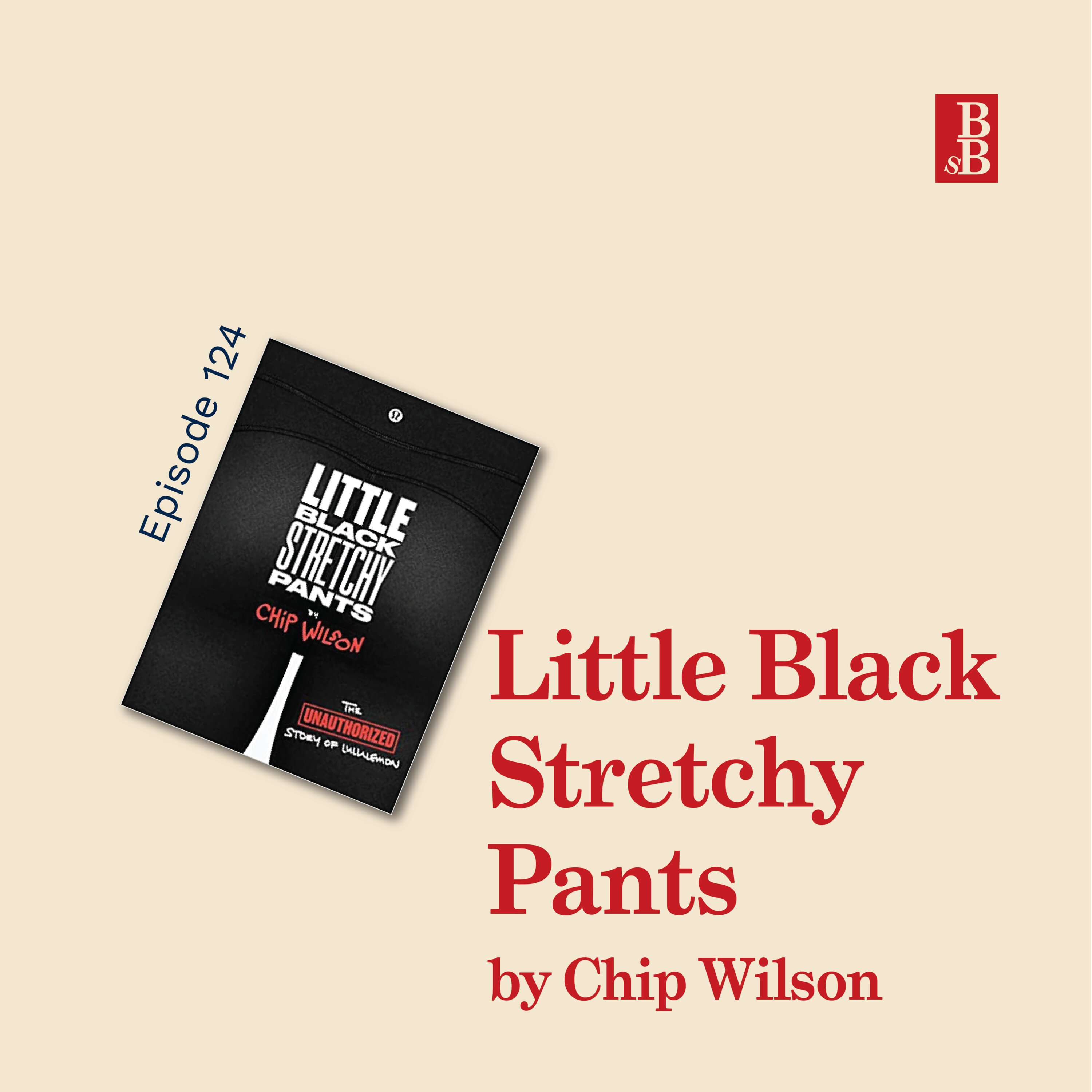
Little Black Stretchy Pants (The Unauthorised Story of Lululemon) by Chip Wilson; how to create a cult-like brand
from Steph's Business Bookshelf Podcast · host Steph Clarke
Thanks for listening. Please consider supporting the podcast with your next book purchase - save the Steph’s Business Bookshelf affiliate stores for Book Depository (Global) or Bookshop.org (US) in your browser. You can also say thanks by buying me a coffee. About the book The unauthorized story of lululemon. This is a book about ordinary people who took an opportunity to be creative, to be innovative, and to maximize their potential. Chip Wilson's part in this story comes from the learnings of thousands of mistakes. He set the culture, business model, quality platform, people development program and then got out of the way. Lululemon's exponential growth, culture, and brand strength has few peers and it is because of those who employees who choose to be great. This book is also about missed opportunity - five years of missed opportunity. Chip was playing to win, while the directors of the company he founded were playing not to lose. About the author Chip Wilson is an entrepreneur, philanthropist, loving husband and a father to five boys. As the founder of Westbeach and yoga-inspired clothing company lululemon athletica, Chip is a globally recognized innovator in the field of technical apparel. He is widely credited with starting the "athleisure" retail category, now a $100-billion-a year global business. At lululemon, Chip was known for his people-before-product leadership approach. He surrounded himself with like-minded individuals; creative, driven, athletic locals with a love for work-life balance inspired by the West Coast. This cohesive culture fueled the innovation and growth of the brand. In 2007, lululemon athletica was taken public and Chip remains its largest individual shareholder and biggest cheerleader. Source: amazon.com Big idea #1 - See into the future A recurring strength of Chip’s was his ability to spot a trend a few years off. And not just a spot, a trend, but to do something about it. From the move towards baggy shorts for skateboarders, the move to snowboarding from skiing, and the attraction of a different audience with different aesthetic wants, through to a huge movement of yoga and mindfulness, and more technical active wear (or ‘athleisure’ wear) for women. He also saw where those trends were coming from largely from California, so he built connections there, first by supplying those brands into Canada and by by spending time there to better observe and get a feel for what was happening in the particular scenes and subcultures. He was then able to bring these into Canada, knowing that it was only really a matter of time until those trends started to move up north. This ability to see trends in advance, allowed Chip to get ready, get ahead, think deeply, and try things out in the meantime. You can see this in his ‘slow build’ approach – he started slow, particularly with Lululemon, really taking the time to build himself into the community of the demographic that he was looking to attract. By going to yoga himself, spending more time with yogis, and finding out what it was that they wanted and really putting them at the heart of the business and the products. When he had his Westbeach brand and was designing the snowboarding technical apparel, he again, was spending time with the people in that scene to understand them. This was central to his ability to see into the future, hearing what they would want and being able to then extrapolate that into a business. Big idea #2 – Be different on purpose Almost everything about Chip’s businesses had strong purpose, and this made it very clear who it was for (almost to a cult-like effect in Lululemon) and also who it wasn't for. His principles and purpose were clear even early on at Westbeach, he would stop people coming into the store who were smoking. In the eighties, this was quite a big deal because everyone was smoking at the time, but he knew it was not a habit he wanted his brand associated with so wouldn't let people who were smoking into his store. This strength of purpose was also behind the genesis of the bags, the famous Lululemon store bags with their manifesto written all over them. These bags themselves became quite a cult item, and people would use them to take that lunch in or use in their everyday lives, not just to carry their Lululemon goods home from the shop. The words / mantras printed on the bags resonated with the ‘super girl’ market that Lululemon was designed for, showing how much the values of the brand resonated. Purpose also came to life in their technical attire, with an intense focus on quality and details. Women's active wear was a pretty sorry offering in the 90s/00s. Nasty see-through leggings made of cotton, not particularly sweat-proof, and probably a baggy t-shirt, which wasn’t always the most practical for activities like yoga. Typically, men's sportswear had a lot more on offer with a lot more technical elements, and generally was much more fit for purpose. By focusing on their demographics and knowing that there was a better way, meant they could offer something that hadn’t been seen before. And finally, in the business itself there were differences. They offered yoga in the Lululemeon stores, you didn't see Nike or Adidas doing something similar. They also used an education model in the stores for assistants; they weren't called shop assistants / sales assistants, they were called educators, they had a huge amount of autonomy. The store managers had control over the window dressing, store layout, events, and local yoga/wellbeing community engagement. The vertical business model and owning their own manufacturing were unheard of in the industry at that point, but they did it, which allowed them to keep both control and ultimately more margin, because they weren't giving money away to suppliers or third parties. Interestingly, it was a lot of these purpose-led elements of the business and culture that really slipped as private equity took ownership of the business after the IPO. Lululemon were no longer allowed to be as controversial or bold in their ad campaigns, the quality slipped as the focus turned to profit and preservation rather than quality and innovation. Big idea #3 – Fail, learn, repeat Chip is pretty open in the book about his failures, there's actually whole specific sections dedicated to the various failings and learnings that he had, in particular around the IPO process and experience. And also lessons from Kit and Ace, the business he started with his family after Lululemon. Many of these lessons are around structure and governance. There's a few themes, largely around control and structure, which recur throughout the book. There's also great examples in the book of fail, learn, repeat in the constant innovation and improvement in their thinking. They were taking the offcuts of the pants and turning them into the headbands and other little accessories that you can also buy in Lululemon. Chip was constantly asking himself ‘if I was to compete against Lululemon, what would I do?’ and looking around at the competition, to see where the opportunities to do something different were. Chip was very focused on personal development, and an ongoing quest to avoiding mediocrity. He was allergic to the idea of living an average life, or doing an ‘ok’ job, and he really wanted to avoid that slipping into the company. He put everyone through the Landmark course (which is somewhat controversial in itself) which certainly at the time was a huge investment to put all of his management team through it. But it allowed them to have a common language and common expectation of the level which Lululemon operated on. Again, this is something that changed after the IPO. Chip describes this as the difference between the wanting to win, and wanting not to lose, mentality. When Chip was running the business it was very much around being the best and going out and doing things differently, being a bit controversial at times, in order to make a mark. Whereas the private equity management wanted more of a preservation state. ‘The PR machine’ controlled what could and couldn’t be said (eg Chip’s views on Coke or Pepsi) and they played not to lose; playing it safe rather than doing the things that led to Lululemon's success in the first place, and why they appealed to the people that they did. Support my book habit: https://www.buymeacoffee.com/stephsbookshelfSee omnystudio.com/listener for privacy information.
Embed this episode
NOW PLAYING
Little Black Stretchy Pants (The Unauthorised Story of Lululemon) by Chip Wilson; how to create a cult-like brand
No transcript for this episode yet
Similar Episodes
No similar episodes found.
Similar Podcasts
No similar podcasts found.