
EPISODE · May 16, 2024 · 26 MIN
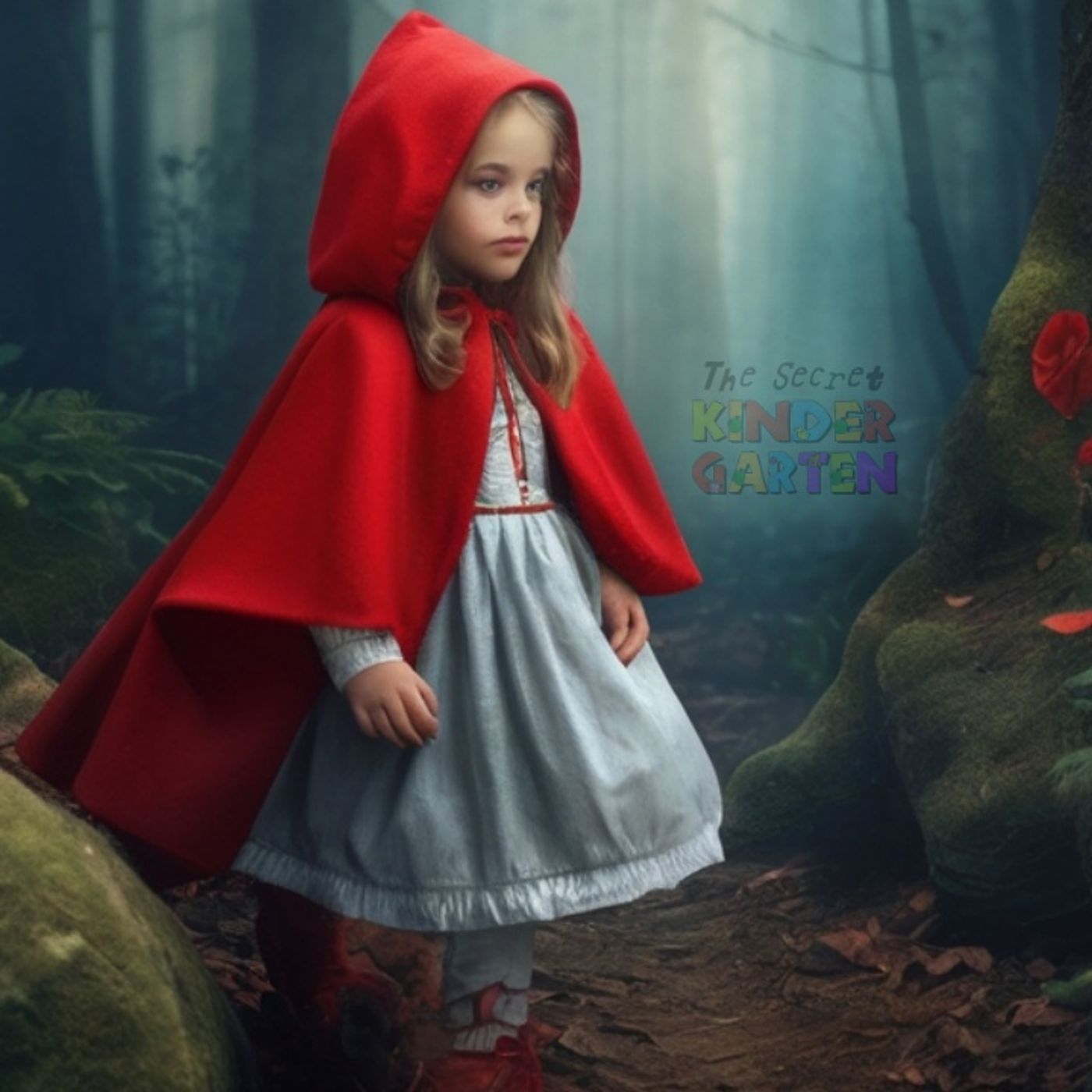
Little Red Riding Hood
from The Secret Kindergarten | For Young Children · host Gino Volante
The Secret Kindergarten Radio Show for Young Children Ep. 72"Follow children learning their fables; and you will see that when they are in a position to apply them, they almost always do so in a way opposite to the author’s intention, and that instead of looking within themselves for the shortcoming that one wants to cure or prevent, they tend to like the vice with which one takes advantage of others’ shortcomings."Emile RousseauThe above quote was taken out of Off With Their Heads!: Fairy Tales and The Culture of Childhood by Maria Tatar. Maria Tatar starts off the first chapter with this quote. Tatar argues that Little Red Riding Hood, and other fairy tales, originated as dirty parlour stories before they were "moralised" to scare children into listening to their mother. Emile Rousseau says that children do the opposite to what the author intended as the outcome for the listening child. So, what are the intentions of the author of any of the well-known fairy tales? If the stories have been heavily revised, who revised them and why? A story has to be created, it has to come from the mind. Has the moral "re-working" of Little Red Riding Hood lasted this long by coercion? Or has it resonated with symbols and values that people agree with deep down? Mothers certainly want their children to listen to them. Relationships require listening from all involved. When adults respect and listen to young children, the young children will listen and respect back… they need this dynamic to learn and grow their minds in the best way possible.The Secret Kindergarten Radio Show for Young Children is live every Saturday 2.00pm-3.00pm Eastern Time on Revolution Radio (Studio A): https://www.revolution.radio/.https://thesecretkindergarten.com/AUDIO STORIESHood, Tom. (1835-1874). "Little Red Riding Hood". Fairy Realm: A Collection of The Favourite Old Tales Told in Verse. Read by Noel Badrian for LibriVox.Org.https://librivox.org/fairy-realm-by-thomas-hood/BED TRACKS AND OTHER AUDIO“Children’s Theme” by Denys KyshchukFrom freemusicarchive.orgAttribution-NonCommercial-NoDerivs 4.0 International(CC BY-NC-ND 4.0)Music by Denys Kyshchuk: https://www.audiocoffee.net/https://soundcloud.com/deniskino“Cheer Up” by Keys of Moon | https://soundcloud.com/keysofmoonAttribution 4.0 International (CC BY 4.0)https://creativecommons.org/licenses/by/4.0/Music promoted by https://www.chosic.com/free-music/all/The Secret Kindergarten is live every Saturday 2.00pm-3.00pm Eastern Time on Revolution Radio (Studio A): https://www.revolution.radio/.https://thesecretkindergarten.com/For any questions or comments: [email protected] my work: https://thesecretkindergarten.com/about-and-contact/#donations-link.
What this episode covers
The Secret Kindergarten Radio Show for Young Children Ep. 72"Follow children learning their fables; and you will see that when they are in a position to apply them, they almost always do so in a way opposite to the author’s intention, and that instead of looking within themselves for the shortcoming that one wants to cure or prevent, they tend to like the vice with which one takes advantage of others’ shortcomings."Emile RousseauThe above quote was taken out of Off With Their Heads!: Fairy Tales and The Culture of Childhood by Maria Tatar. Maria Tatar starts off the first chapter with this quote. Tatar argues that Little Red Riding Hood, and other fairy tales, originated as dirty parlour stories before they were "moralised" to scare children into listening to their mother. Emile Rousseau says that children do the opposite to what the author intended as the outcome for the listening child. So, what are the intentions of the author of any of the well-known fairy tales? If the stories have been heavily revised, who revised them and why? A story has to be created, it has to come from the mind. Has the moral "re-working" of Little Red Riding Hood lasted this long by coercion? Or has it resonated with symbols and values that people agree with deep down? Mothers certainly want their children to listen to them. Relationships require listening from all involved. When adults respect and listen to young children, the young children will listen and respect back… they need this dynamic to learn and grow their minds in the best way possible.The Secret Kindergarten Radio Show for Young Children is live every Saturday 2.00pm-3.00pm Eastern Time on Revolution Radio (Studio A): https://www.revolution.radio/.https://thesecretkindergarten.com/AUDIO STORIESHood, Tom. (1835-1874). "Little Red Riding Hood". Fairy Realm: A Collection of The Favourite Old Tales Told in Verse. Read by Noel Badrian for LibriVox.Org.https://librivox.org/fairy-realm-by-thomas-hood/BED TRACKS AND OTHER AUDIO“Children’s Theme” by Denys KyshchukFrom freemusicarchive.orgAttribution-NonCommercial-NoDerivs 4.0 International(CC BY-NC-ND 4.0)Music by Denys Kyshchuk: https://www.audiocoffee.net/https://soundcloud.com/deniskino“Cheer Up” by Keys of Moon | https://soundcloud.com/keysofmoonAttribution 4.0 International (CC BY 4.0)https://creativecommons.org/licenses/by/4.0/Music promoted by https://www.chosic.com/free-music/all/The Secret Kindergarten is live every Saturday 2.00pm-3.00pm Eastern Time on Revolution Radio (Studio A): https://www.revolution.radio/.https://thesecretkindergarten.com/For any questions or comments: [email protected] my work: <a href="https://thesecretkindergarten.com/about-and-contact/#donations-link" target="_blank"...
NOW PLAYING
Little Red Riding Hood
No transcript for this episode yet
Similar Episodes
Mar 26, 2026 ·1m
Mar 19, 2026 ·34m
Feb 18, 2026 ·11m
Feb 11, 2026 ·45m