
EPISODE · Jun 17, 2026 · 1H 12M
LOVING = ADAPTATION A Deeper Look at How Unconventional Love Requires Perpetual Adaptation
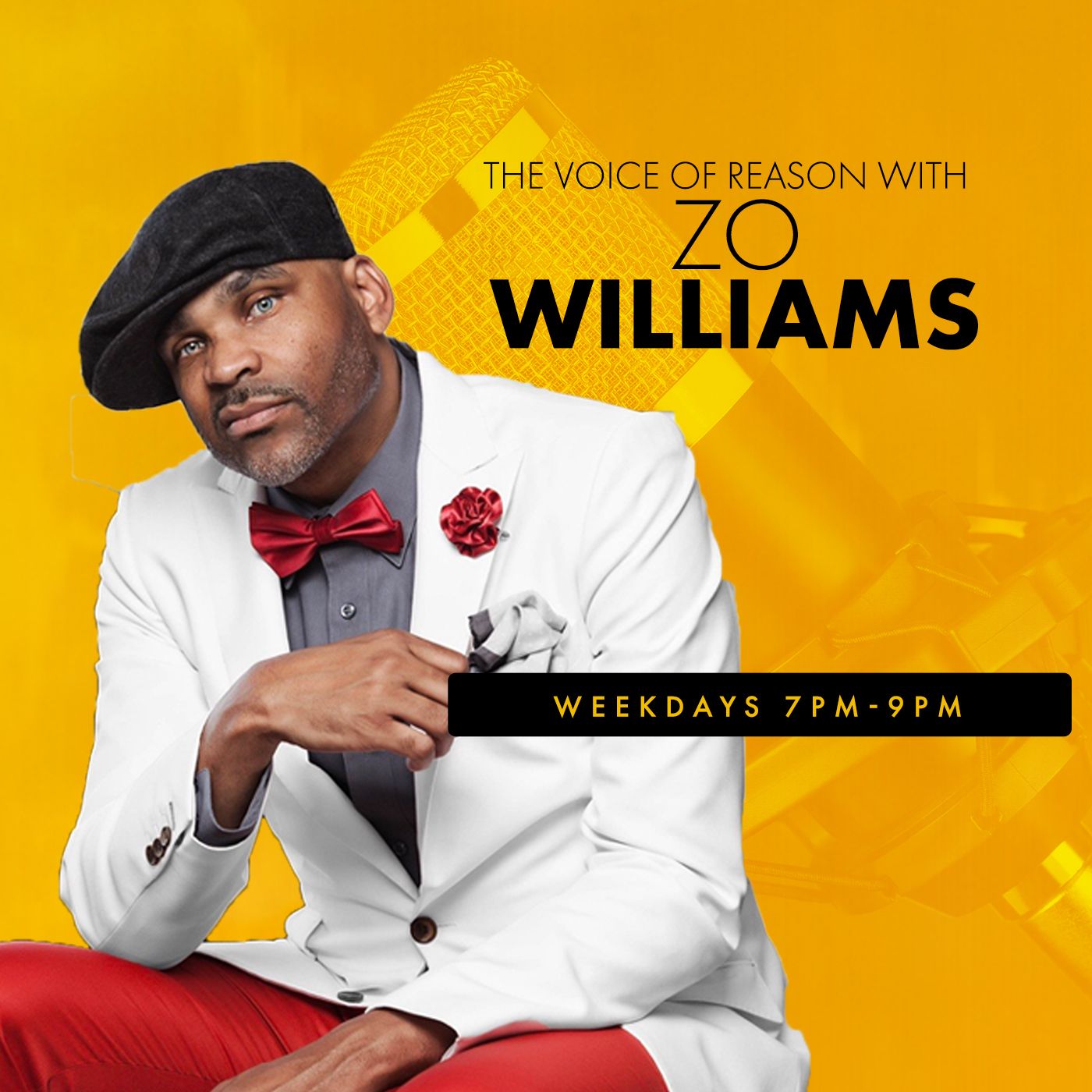
from Zo Williams: Voice of Reason · host KBLA 1580 Am
Before there were relationships, there was adaptation. Before there were marriages, there was adaptation. Before there were families, civilizations, languages, philosophies, religions, identities, cultures, nations, and histories, there was adaptation. Existence itself rests upon a single uncompromising principle: Everything that lives must continuously adjust to what is. Nothing receives exemption. Stars adapt to gravitational forces. Forests adapt to seasons. Species adapt to environments. Consciousness adapts to experience. Life itself survives through perpetual negotiation with reality. Only the human ego attempts a different strategy. It attempts permanence. It attempts certainty. It attempts preservation. It attempts to freeze living things into familiar forms and then calls that stability. This may explain one of the greatest tragedies in intimate relationships. Many people do not fall in love with a person. They fall in love with a version. A snapshot. A moment. A psychological photograph taken during a particular season of someone’s evolution. Years later they discover the photograph has changed. The ambitions changed. The fears changed. The values changed. The body changed. The dreams changed. The identity changed. And suddenly what should have been expected feels like betrayal. Not because transformation occurred. Because transformation was never included in the original agreement. The relationship begins suffering from a silent disease. Not incompatibility. Not conflict. Not communication problems. The disease is the expectation that life should stop moving. Yet life never agreed to such a contract. Every intimate relationship eventually becomes a confrontation with the most fundamental law of existence: Nothing living remains the same. The deepest form of love may therefore have very little to do with possession, agreement, compatibility, romance, chemistry, or even commitment. It may involve something far more difficult. Participation. The willingness to remain present while another human being becomes. Not who you expected. Not who you prefer. Not who you originally chose. But who life is continuously revealing. This is where rigidity enters the story. Most people misunderstand rigidity. Rigidity is not strength. Rigidity is fear attempting to negotiate with impermanence. A boundary protects what is essential. Rigidity protects what is familiar. A boundary serves growth. Rigidity resists growth. A boundary preserves integrity. Rigidity preserves certainty. One creates intimacy. The other slowly suffocates it. The irony feels almost unbearable. Many people spend years defending what they call standards, principles, values, self-respect, masculinity, femininity, tradition, or boundaries. Underneath the language often sits something much older. Fear. The fear that adaptation will require grief. Because adaptation always demands the death of something. A belief. An expectation. A certainty. An identity. A story. A version of ourselves. A version of our partner. Love therefore asks for a sacrifice few people anticipate. Not the sacrifice of self. The sacrifice of illusion. The illusion that the person beside you can remain unchanged while everything else in existence continues evolving. This becomes even more complicated when childhood wounds enter the relationship. An abandoned child becomes an adult demanding certainty. A neglected child becomes an adult demanding emotional guarantees. A rejected child becomes an adult demanding constant validation. The wound incurs the debt. The partner receives the invoice. What began as pain becomes expectation. Expectation becomes entitlement. Entitlement becomes rigidity. Rigidity becomes relational gravity. The relationship slowly bends around old injuries rather than present reality. Two people stop meeting each other. They begin negotiating with ghosts. One partner speaks from today. The other responds from twenty years ago. One partner changes. The other interprets the change as abandonment. One partner evolves. The other experiences evolution as betrayal. Neither understands the actual conflict. The argument appears relational. The conflict is ontological. Reality keeps moving. Someone is trying to stop it. Daoist philosophy recognized this thousands of years ago. Water never argues with the riverbed. Water never demands permanence. Water never mistakes form for essence. It changes continuously while remaining completely itself. Rain. Mist. Ice. River. Ocean. Different expressions. Same nature. Healthy love functions the same way. Its essence remains while its expression evolves. The couples who survive decades together may not possess superior communication skills. They may not possess superior compatibility. They may simply understand a truth that many never discover: Love is not measured by how tightly you hold on. Love is measured by how truthfully you participate in another person’s becoming. Can you update your understanding as quickly as life updates the person you love? Can you release outdated versions of them before resentment builds a shrine around them? Can you remain curious where others become certain? Can you remain present where others become controlling? Can you bless evolution where others call it betrayal? Because eventually every intimate relationship arrives at the same doorway. On one side stands certainty. On the other stands life. You cannot hold both. The person who chooses certainty eventually loses intimacy. The person who chooses life discovers that adaptation was never the enemy. Adaptation was love’s highest form of intelligence. And perhaps its most sacred expression.
What this episode covers
Before there were relationships, there was adaptation. Before there were marriages, there was adaptation. Before there were families, civilizations, languages, philosophies, religions, identities, cultures, nations, and histories, there was adaptation. Existence itself rests upon a single uncompromising principle: Everything that lives must continuously adjust to what is. Nothing receives exemption. Stars adapt to gravitational forces. Forests adapt to seasons. Species adapt to environments. Consciousness adapts to experience. Life itself survives through perpetual negotiation with reality. Only the human ego attempts a different strategy. It attempts permanence. It attempts certainty. It attempts preservation. It attempts to freeze living things into familiar forms and then calls that stability. This may explain one of the greatest tragedies in intimate relationships. Many people do not fall in love with a person. They fall in love with a version. A snapshot. A moment. A psychological photograph taken during a particular season of someone’s evolution. Years later they discover the photograph has changed. The ambitions changed. The fears changed. The values changed. The body changed. The dreams changed. The identity changed. And suddenly what should have been expected feels like betrayal. Not because transformation occurred. Because transformation was never included in the original agreement. The relationship begins suffering from a silent disease. Not incompatibility. Not conflict. Not communication problems. The disease is the expectation that life should stop moving. Yet life never agreed to such a contract. Every intimate relationship eventually becomes a confrontation with the most fundamental law of existence: Nothing living remains the same. The deepest form of love may therefore have very little to do with possession, agreement, compatibility, romance, chemistry, or even commitment. It may involve something far more difficult. Participation. The willingness to remain present while another human being becomes. Not who you expected. Not who you prefer. Not who you originally chose. But who life is continuously revealing. This is where rigidity enters the story. Most people misunderstand rigidity. Rigidity is not strength. Rigidity is fear attempting to negotiate with impermanence. A boundary protects what is essential. Rigidity protects what is familiar. A boundary serves growth. Rigidity resists growth. A boundary preserves integrity. Rigidity preserves certainty. One creates intimacy. The other slowly suffocates it. The irony feels almost unbearable. Many people spend years defending what they call standards, principles, values, self-respect, masculinity, femininity, tradition, or boundaries. Underneath the language often sits something much older. Fear. The fear that adaptation will require grief. Because adaptation always demands the death of something. A belief. An expectation. A certainty. An identity. A story. A version of ourselves. A version of our partner. Love therefore asks for a sacrifice few people anticipate. Not the sacrifice of self. The sacrifice of illusion. The illusion that the person beside you can remain unchanged while everything else in existence continues evolving. This becomes even more complicated when childhood wounds enter the relationship. An abandoned child becomes an adult demanding certainty. A neglected child becomes an adult demanding emotional guarantees. A rejected child becomes an adult demanding constant validation. The wound incurs the debt. The partner receives the invoice. What began as pain becomes expectation. Expectation becomes entitlement. Entitlement becomes rigidity. Rigidity becomes relational gravity. The relationship slowly bends around old injuries rather than present reality. Two people stop meeting each other. They begin negotiating with ghosts. One partner speaks from today. The other responds from twenty years ago. One partner changes. The other interprets the...
NOW PLAYING
LOVING = ADAPTATION A Deeper Look at How Unconventional Love Requires Perpetual Adaptation
No transcript for this episode yet
Similar Episodes
Mar 26, 2026 ·1m
Mar 19, 2026 ·34m
Feb 18, 2026 ·11m
Feb 11, 2026 ·45m