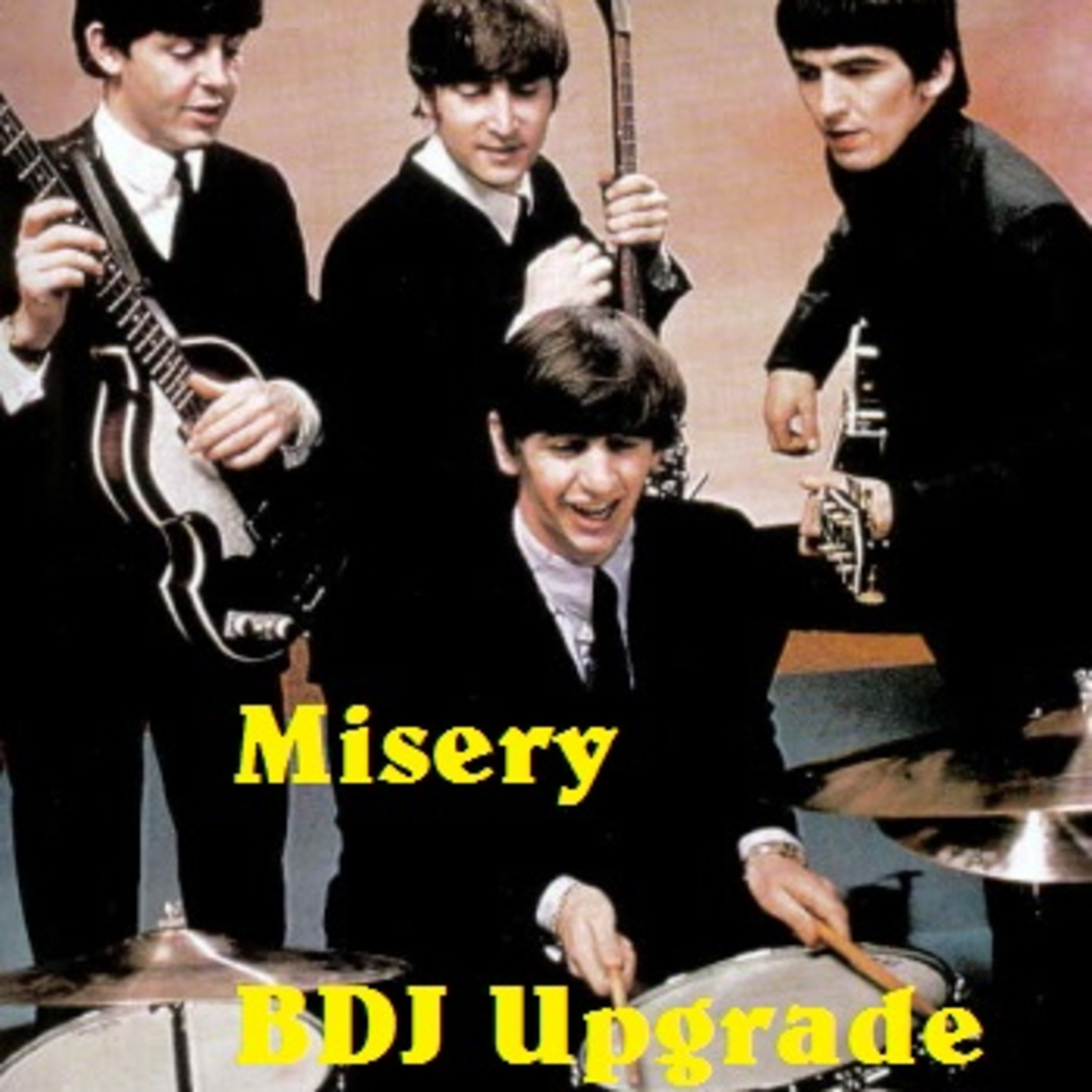
Misery (BDJ Upgrade) episode artwork

EPISODE · Dec 31, 2013 · 1 MIN

Misery (BDJ Upgrade)

from BDJ's Cellar Full of Remixes · host BDJ

"Misery" was written for Helen Shapiro on 26 January 1963, and later completed at Paul McCartney's Forthlin Road home.This is the official version of things, but wouldn't it be problematic for Helen Shapiro to sing "I'm the kind of guy who never used to cry"? For this reason or another, Shapiro didn't use it and British singer and entertainer Kenny Lynch recorded it instead, thus becoming the first artist to cover a Lennon–McCartney composition. He had only a minor hit with it, though. Kenny Lynch's version of the song put a soulful spin on the pop song, which caused a little dissension from Lennon, mostly because of his utilizing the skills of British session guitarist Bert Weedon. The original first line of the song, as sung by Kenny Lynch, was “You’ve been treating me bad”, whereas, during the Beatles’ recording of the song, the line was changed to “The world is treating me bad.”The Beatles recorded "Misery" on 11 February 1963 in 11 takes, the last take being used for the commercial release. For this upgrade, we used take 1 and take 7.“Take One” of the song was complete and performed with great vocal enthusiasm. Ringo even puts in a little drum fill after the second verse which he dropped later. Already in place was the ending with John and Paul’s alternating “ooohs” and “la-la-las,” although they sounded fresher and more vibrant this first time around. The only fault in this take was George Harrison’s rhythmic guitar run in the bridges of the song, which weren’t in time.Takes 2-5 were incomplete. Take 6 was complete but not used; George added guitar fills at the end of the verses, that George Martin probably didn't like. These fills were omitted in Take 7. Interestingly, George Harrison managed to play all kinds of fills when thy played Misery on various BBC sessions! Note also, Kenny Lynch's version has these guitar fills! And he has a - piano - solo too.It is remarkable that the lyrics still changed during the recording session, since there is a change in the last verse somewhere between takes 1 and 7, the takes we used for this upgrade: in the second bridge. “Can’t she see she’ll always be the only one, only one” is replaced with “She’ll remember and she’ll miss her only one, lonely one”. Usually in Beatles songs, as well as the established song structure of the day, the bridge is identical when repeated. And Kenny Lynch's version has "Please come back to me" instead of 'Send her back to me".Slight change in the outro too, where John sings Ooom instead of Oooh.George Martin added piano to take 11 on February 20th, ending up with take 16. Thi is how it featured on the LP Please Please Me, and on the EP "The Beatles (No 1)", first issued 1 November 1963.Takes 1 and 7 are otherwise very similar, so perfect material for this true stereo upgrade. See if you (too) like it better than the official release!

Episode metadata supplied by the publisher feed · Published Dec 31, 2013

"Misery" was written for Helen Shapiro on 26 January 1963, and later completed at Paul McCartney's Forthlin Road home. This is the official version of things, but wouldn't it be problematic for Helen Shapiro to sing "I'm the kind of guy who never used to cry"? For this reason or another, Shapiro didn't use it and British singer and entertainer Kenny Lynch recorded it instead, thus becoming the first artist to cover a Lennon–McCartney composition. He had only a minor hit with it, though. Kenny Lynch's version of the song put a soulful spin on the pop song, which caused a little dissension from Lennon, mostly because of his utilizing the skills of British session guitarist Bert Weedon. The original first line of the song, as sung by Kenny Lynch, was “You’ve been treating me bad”, whereas, during the Beatles’ recording of the song, the line was changed to “The world is treating me bad.” The Beatles recorded "Misery" on 11 February 1963 in 11 takes, the last take being used for the commercial release. For this upgrade, we used take 1 and take 7. “Take One” of the song was complete and performed with great vocal enthusiasm. Ringo even puts in a little drum fill after the second verse which he dropped later. Already in place was the ending with John and Paul’s alternating “ooohs” and “la-la-las,” although they sounded fresher and more vibrant this first time around. The only fault in this take was George Harrison’s rhythmic guitar run in the bridges of the song, which weren’t in time. Takes 2-5 were incomplete. Take 6 was complete but not used; George added guitar fills at the end of the verses, that George Martin probably didn't like. These fills were omitted in Take 7. Interestingly, George Harrison managed to play all kinds of fills when thy played Misery on various BBC sessions! Note also, Kenny Lynch's version has these guitar fills! And he has a - piano - solo too. It is remarkable that the lyrics still changed during the recording session, since there is a change in the last verse somewhere between takes 1 and 7, the takes we used for this upgrade: in the second bridge. “Can’t she see she’ll always be the only one, only one” is replaced with “She’ll remember and she’ll miss her only one, lonely one”. Usually in Beatles songs, as well as the established song structure of the day, the bridge is identical when repeated. And Kenny Lynch's version has "Please come back to me" instead of 'Send her back to me". Slight change in the outro too, where John sings Ooom instead of Oooh. George Martin added piano to take 11 on February 20th, ending up with take 16. Thi is how it featured on the LP Please Please Me, and on the EP "The Beatles (No 1)", first issued 1 November 1963. Takes 1 and 7 are otherwise very similar, so perfect material for this true stereo upgrade. See if you (too) like it better than the official release!

PodParley-generated summary based on available episode metadata and transcript content.

NOW PLAYING

Misery (BDJ Upgrade)

0:00 1:45

No transcript for this episode yet

We transcribe on demand. Request one and we'll notify you when it's ready — usually under 10 minutes.

Ask A Spaceman Archives - 365 Days of Astronomy Ask A Spaceman Archives - 365 Days of Astronomy Podcasting Astronomy Every Day of the Year Eat to Live Jenna Fuhrman, Dr. Fuhrman Our health is our most precious gift and smart nutrition can change your life. Each month, join Dr. Fuhrman and his daughter, Jenna Fuhrman as they discuss important topics in the world of nutrition. Eat to Live will change the way you eat and think about food. French Your Way Jessica: Native French teacher founder of French Your Way Boost your French listening skills and test your comprehension with this one of a kind series of podcasts. Get the chance to listen to a real conversation between native speakers talking at normal speed AND customise your learning experience through carefully designed sets of questions (2 levels of difficulty) available for download at www.frenchvoicespodcast.com. All interviews also come with the transcript. French teacher Jessica interviews native speakers of French from around the world who share a bit of their life and passion. Where else would you meet in one same place a French yoga teacher based in Melbourne, a soap manufacturer from Provence, or a couple cycling around the world? That Hoarder: Overcome Compulsive Hoarding That Hoarder Hoarding disorder is stigmatised and people who hoard feel vast amounts of shame. This podcast began life as an audio diary, an anonymous outlet for somebody with this weird condition. That Hoarder speaks about her experiences living with compulsive hoarding, she interviews therapists, academics, researchers, children of hoarders, professional organisers and influencers, and she shares insight and tips for others with the problem. Listened to by people who hoard as well as those who love them and those who work with them, Overcome Compulsive Hoarding with That Hoarder aims to shatter the stigma, share the truth and speak openly and honestly to improve lives.

Frequently Asked Questions

How long is this episode of BDJ's Cellar Full of Remixes?

This episode is 1 minute long.

When was this BDJ's Cellar Full of Remixes episode published?

This episode was published on December 31, 2013.

What is this episode about?

"Misery" was written for Helen Shapiro on 26 January 1963, and later completed at Paul McCartney's Forthlin Road home.This is the official version of things, but wouldn't it be problematic for Helen Shapiro to sing "I'm the kind of guy who never...

Can I download this BDJ's Cellar Full of Remixes episode?

Yes, you can download this episode by clicking the download button on the episode player, or subscribe to the podcast in your preferred podcast app for automatic downloads.
URL copied to clipboard!