
EPISODE · May 14, 2026 · 5 MIN
Move over, Haeundae: These lesser-known Busan spots are foreign travelers’ new favorites
from Korea JoongAng Daily - Daily News from Korea · host WOO JI-WON
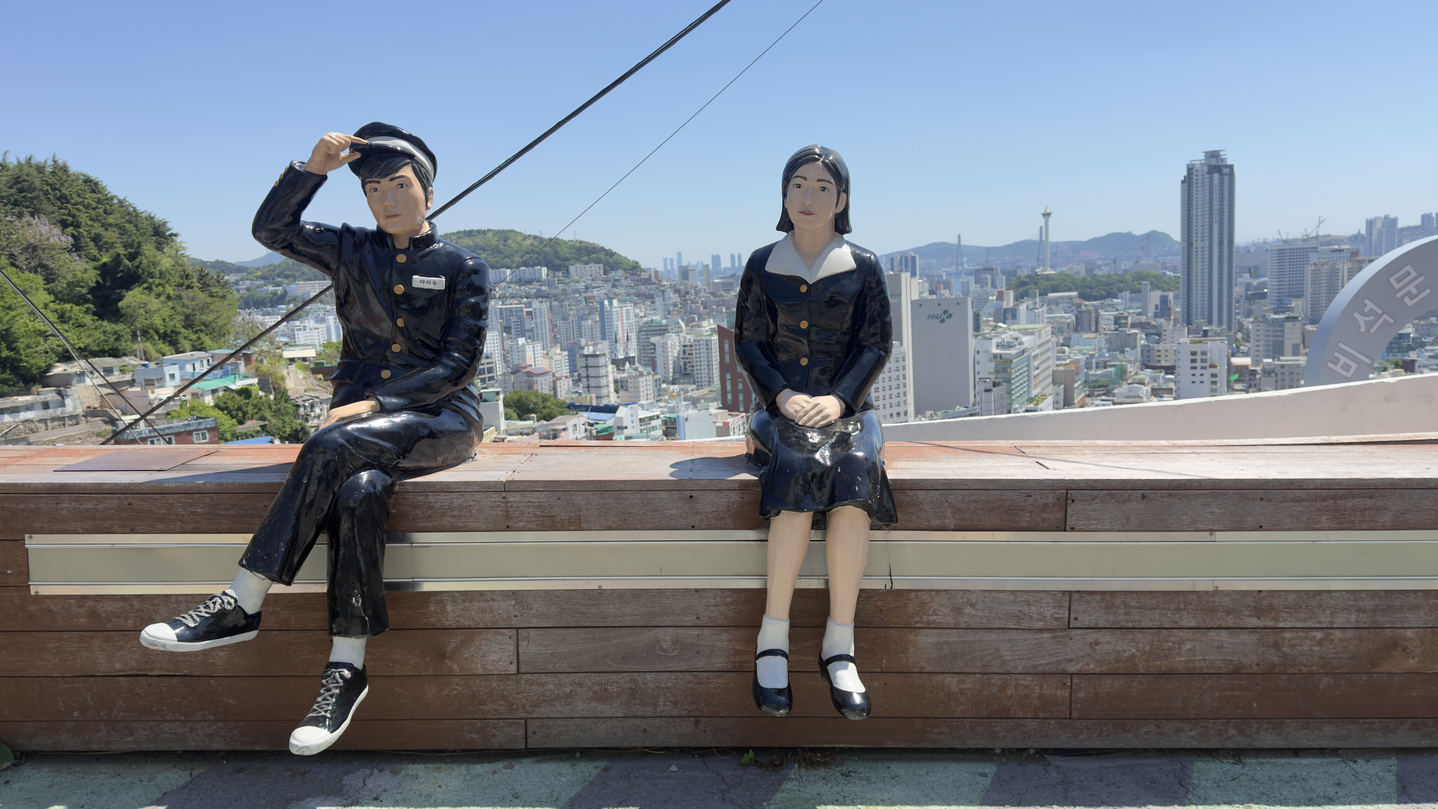
This article is by Woo Ji-won and read by an artificial voice. BUSAN — Busan has long drawn foreign travelers with its scenic coastlines, vibrant food scene and layered history. Now firmly established as Korea's second-most-visited destination after Seoul, the southern port city is drawing visitors well beyond tourist spots like Haeundae and Seomyeon. They are increasingly spilling into quieter corners of the city — neighborhoods where distinct character and traces of its past offer a more intimate glimpse into Busan's everyday life. These neighborhoods may lack the sweeping ocean views and flashy nightlife the city is famous for, but they offer something different — a journey into the city's roots, where traces of its past still live on in narrow alleys, aging markets and hillside streets. Ami-dong Tombstone Culture Village At first glance, Ami-dong in Seo District looks like any other Busan hillside neighborhood: pastel homes, narrow alleys and steep staircases. But beneath many of those homes lies a history far stranger. With few alternatives, refugees began building houses on the cemetery grounds. Tombstones scattered throughout the area were stacked and repurposed as house foundations, traces of which can still be found throughout the neighborhood today. The idea of living atop dead bodies may sound unsettling at first, but the village feels far from eerie. Start the journey by stopping by the Tombstone Culture Village Information Center, where visitors can pick up maps outlining three walking courses through the area. With narrow alleys branching off in every direction, the maps help profoundly with navigating the neighborhood's historic sites. The longest route takes only about 15 minutes, though it may take longer, as you pause to search for tombstones embedded unexpectedly throughout the village and admire them. But the most fun part of the experience is noticing how tombstones became woven into ordinary life. Staircases leading to playgrounds and laundromats, doorsteps of still-inhabited homes, platforms supporting rows of traditional earthenware jars. It would be nearly impossible to spot them without the signs, which also explain how many tombstones were used in each structure. Because the village sits high on the hillside, the views are also striking. From the observatory along the walking course, visitors can look out on downtown Busan below. Beomil-dong Webtoon Ibagu-gil Sometimes the oddest combinations make the most memorable pairings. In Beomil 1-dong, Dong District, that means cartoons and traditional markets. Beomil-dong was once home to workers employed at nearby Busan Port and other urban industries that developed around the harbor. As the neighborhood grew, Seongbuk Market was established in the 1960s, serving as a gathering place where residents bought groceries and exchanged stories. But as businesses gradually closed and residents moved away, the neighborhood grew quieter, and the aging market edged toward decline. The street itself is not particularly long, but the signboards — the kind most people would normally walk past without a second glance — have become attractions in their own right, making the stroll feel much longer in the best way. While residents casually shop and linger around fruit stands, egg vendors and clothing stores, visitors slow down to admire the webtoons and street art spilled across signboards and building walls. Their bright colors and playful illustrations breathe new life into the market. The project involved cartoonists, including Yu Hyun-sook and Hwang Mi-na, and characters and scenes from webtoons such as "The Man Living in Our House" (2015), "Sseomnam" (2014) and "Padong" (2012) appear throughout the alleys. A street dedicated to the famed Korean artist Lee Jung-seop (1916-56), best known for works such as "A Bull," believed to have been painted in the 1950s, is also tucked within the neighborhood. The artist once took refuge in Busan during the Korean War....
Embed this episode
NOW PLAYING
Move over, Haeundae: These lesser-known Busan spots are foreign travelers’ new favorites
No transcript for this episode yet
Similar Episodes
No similar episodes found.
Similar Podcasts
No similar podcasts found.