
EPISODE · May 26, 2026 · 29 MIN
Parashat Vayikrá en Inglés 5786.
from Efrayimbenshalom
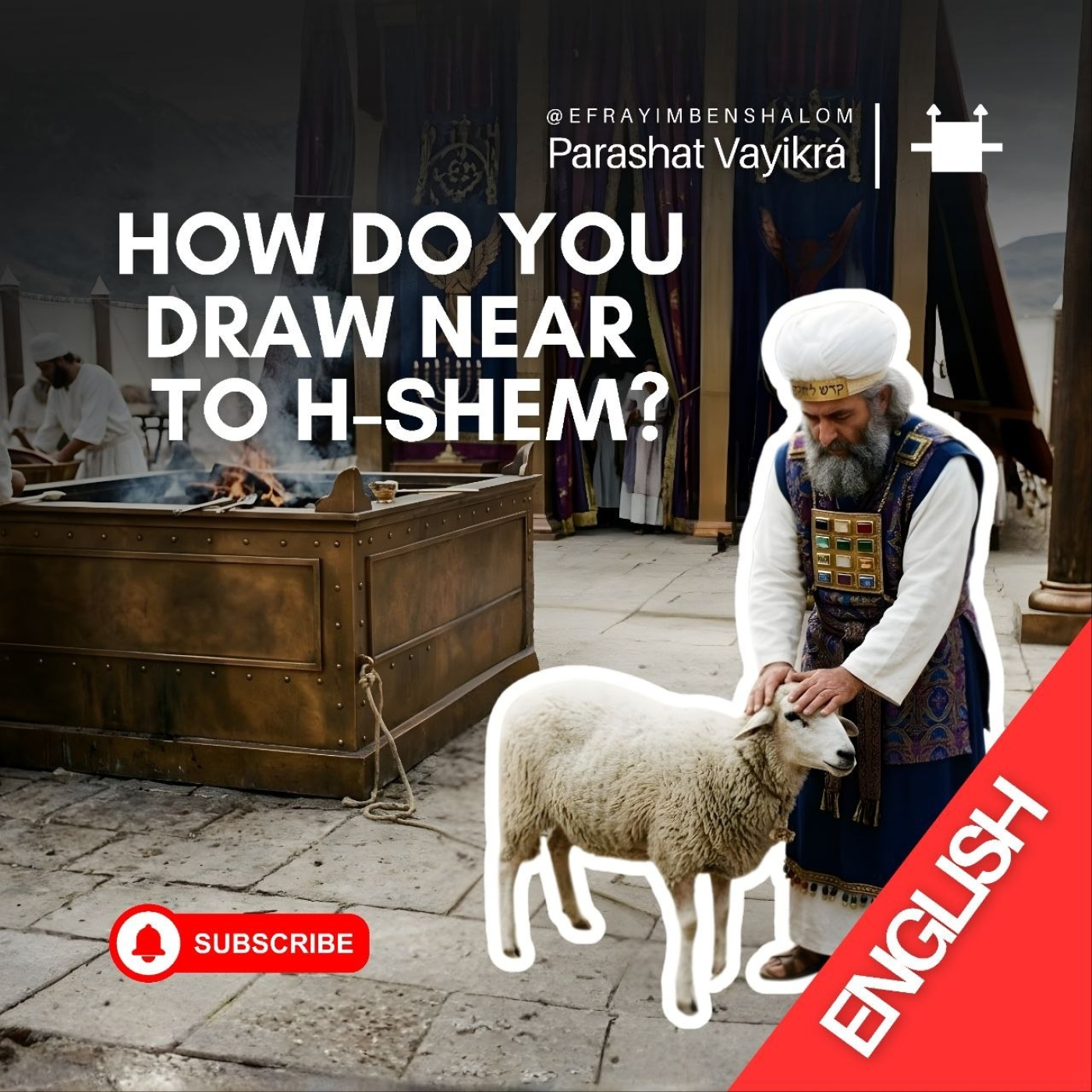
VAYIKRÁ “How do you draw near to HaShem?”… Parashat Vayikrá marks the beginning of the Book of Leviticus; it is a much deeper subject on the level of Sod (mystery). Although the text appears to be a technical manual for the system of sacrifices (korbanot), on the most spiritual level these rituals are interpreted as powerful metaphors for inner spiritual work and the refinement of the soul. Sefer Vayikrá is also called Sefer Torat Hacohanim, which reveals the commandments imposed upon the sons of Aharon, leviim (and for this reason the name Leviticus), responsible for the service in the Mishkan and later in the Beit Hamikdash, the Great Temple of Jerusalem. “VaYikrá” is an affectionate way of calling the children of Israel; we see that others who are not children of Israel are not called in the same way, they are called “Vaikar” as in the case of Bilam. Maimonides understands that the korbanot (sacrifices and offerings) were merely a temporary symbol, like many others, to transform and draw near to that which had become distant, the sacred from the profane. The five main types of offerings (Korbanot) are: · Burnt offerings (olá): Completely burned, entirely consumed by the fire of the altar; that aroma was only for HaShem. · Grain offering (minja): Afternoon offering, also called the offering of the poor. Commonly brought by those who did not have the means for an animal. · Peace offering (Shelamín): Offering of thanksgiving/shalom, whenever Abba blesses you, to share with joy; it is something extra that comes from me because I feel happy because HaShem healed me, protected me, because I came out of a problem, etc. · Sin offering (Jatat): Which is intentional, deviating from the main objective. · Guilt offering (Asham): Which is unintentional.
Embed this episode
Ready to play
Parashat Vayikrá en Inglés 5786.
No transcript for this episode yet
Similar Episodes
No similar episodes found.
Similar Podcasts
No similar podcasts found.