
EPISODE · Jan 4, 2025 · 1H 32M
PODCAST: Behind Closed Doors; Getting into the Middle of Meat Processing
from Enlightened Omnivore Podcast · host Steve Sabicer and David Zarling
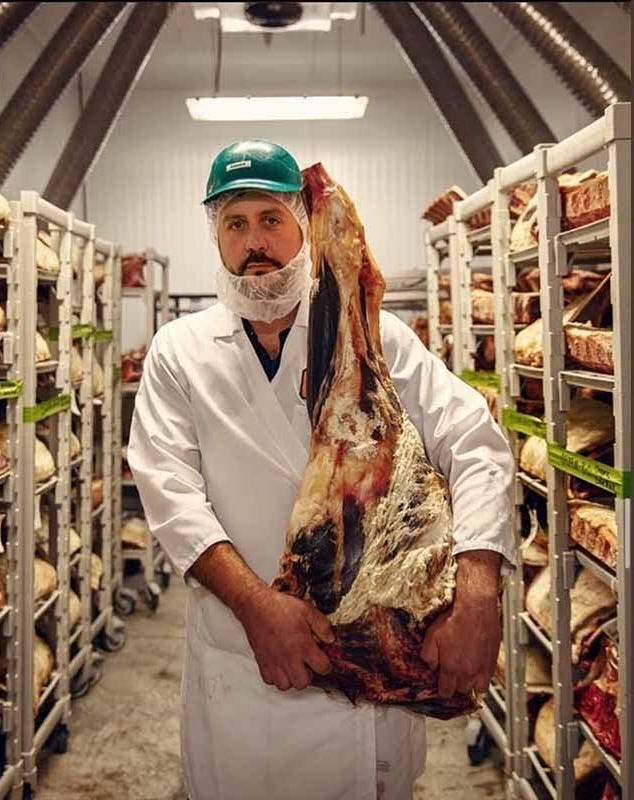
We call it processing, we call it harvesting, we call it slaughter, some just call it kill. Between the pastoral scenes of cattle grazing in green fields, and those perfectly wrapped packages in your grocery store lies a mysterious world behind windowless walls - the slaughterhouse.I think this week’s podcast is my most investigative and fascinating yet, as I try to unlock some of the sterile and misunderstood closed doors of the meat packing plant. In a revealing conversation with friend and industry veteran, David Zarling, we pull back the curtain on a part of the food system that most consumers don’t want to think about, and few ever witness.This isn’t a bloody, butcher’s exposé of the slaughterhouse floor, or a 21st Century social protest sequel to Upton Sinclair’s, The Jungle. It’s an honest attempt at shining some light through the opaque walls of one of the most primal–and important–facets of our food system. Let’s start learning how the sausage is made. It’s not as bad as you think. And hopefully, we also humanize the people who do this hard work every day.David has spent years building, teaching, and preaching the importance of responsibly raised meat. And after years of fighting the good fight, he shares his hope for a new path forward–a shift in the industry–the need for "the meat of the middle" – processing facilities that bridge the gap between massive industrial operations, and artisanal, yet expensive, mom-and-pop shops. This middle ground is even more relevant post-pandemic, when centralized mega-meat processing showed its vulnerabilities, and small scale operations couldn’t keep up with demand.Our conversation takes an interesting turn when I bring up the collapse of Belcampo Meats, a California-based, vertically integrated meat operation that promised consumers complete transparency from farm to table. David, who served as plant director during a critical period just before the company’s fall from grace, shares nuanced insights into its downfall. Rather than a simple scandal of greed and neglect, it might have had more to do with fast paced, Silicon Valley startup culture colliding with the glacial tempo of agricultural realities.We also throw around the polarizing topic of profit. While many have entered the field of butchery for the allure, the romanticism, and the craftsmanship–myself included–successful meat producers and processors require what David calls a "financial hygiene" that industry influencers fail to prioritize, and even fewer practice. This creates a painful paradox: farmers and processors must focus relentlessly on profit margins just to survive, yet most barely break even despite backbreaking work and tremendous risk. Meanwhile, consumers face the impossible choice between cheap industrial meat and "responsibly-raised" options that can cost three to four times as much. When a single grass-fed ribeye steak will set you back $60, we've created a system where doing the "right thing" has become a luxury few can afford. The hard truth is that neither end of the good meat supply chain–not producers, nor consumers–are winning in the current model. I wish I had pushed David harder on the question, “who IS winning?” I’m sure he’ll come back to elaborate.While David and others fight to build a more sustainable middle ground between industrial mega-plants and boutique butcher shops, the challenges remain daunting. The industry must somehow balance transparency with efficiency, quality with scale–and most crucially–ethics with economics. As consumers, we're faced with similar tensions – wanting to support better practices, while wrestling with practical constraints. Perhaps the most valuable insight from our conversation isn't about the technical aspects of processing, or the moving parts of meat packing, but rather the recognition that the people behind those windowless walls are grappling with the same questions we all are: how do we build a food system that works for everyone?The more I listen to seasoned veterans like David, I realize that the answer might not be all that extreme, but rather somewhere in the pragmatic, messy middle – where good intentions meet hard realities, and where people like David work every day to make things just a little bit better.If you haven’t already, follow me on social: TikTok, Instagram, Facebook, or LinkedIn. This is a public episode. If you'd like to discuss this with other subscribers or get access to bonus episodes, visit enlightenedomnivore.substack.com/subscribe
Embed this episode
Ready to play
PODCAST: Behind Closed Doors; Getting into the Middle of Meat Processing
No transcript for this episode yet
Similar Episodes
No similar episodes found.
Similar Podcasts
No similar podcasts found.