
EPISODE · Dec 17, 2025 · 57 MIN
PODCAST: Terroir or Test Tubes? The Truth About What's In Wine
from Enlightened Omnivore Podcast · host Steve Sabicer
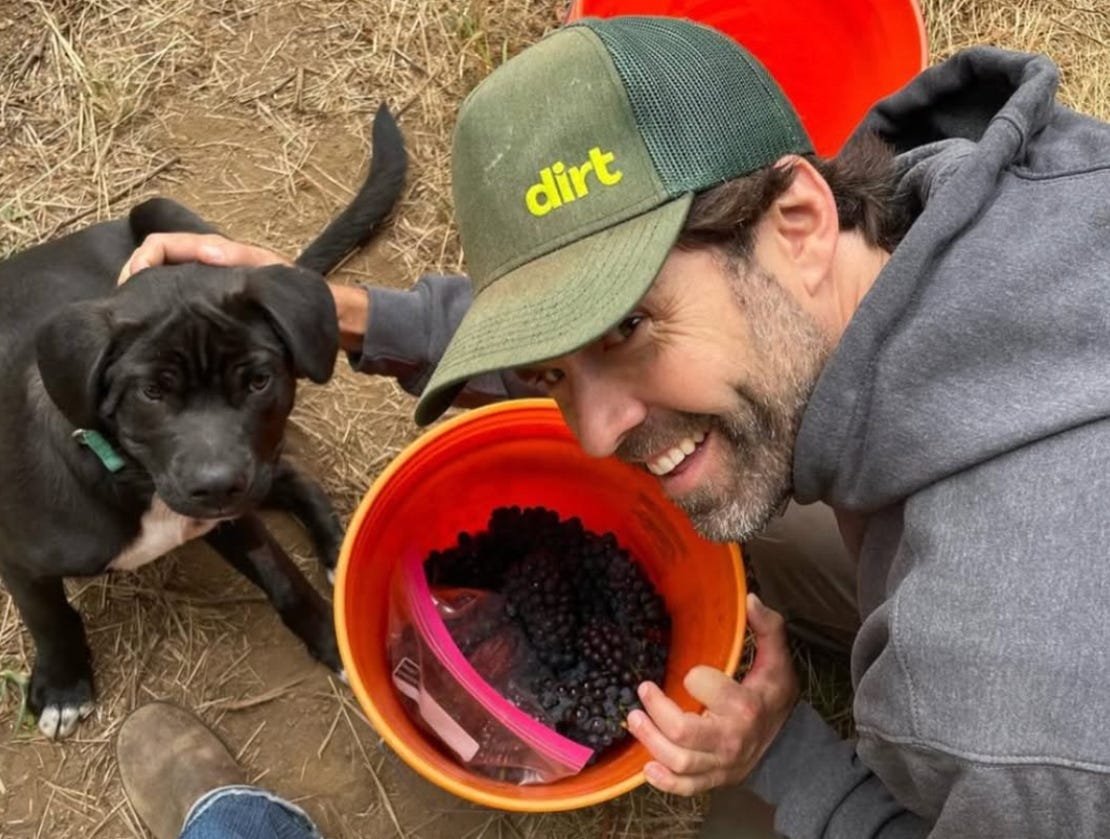
I can’t think of a better sound than when a cork comes out of a bottle of wine. It signals the start of a meal, a laughter-filled conversation with friends, a romantic evening with your special someone.My favorite literary influences loved their wine. Mark Twain had a hankering for champagne. Hemingway drank anything in a glass, but called wine the “most civilized thing in the world.” Jim Harrison had a preference for the Gigondas region of Southern France; my personal favorite as well.Wine is one of the oldest beverages and comes with its own vernacular. Of course there’s terroir, the French word that embodies the characteristics of a wine that give it a “sense of place.” Then there’s vintage and varietal, structure, and tannins, minerality and balance. And to be fair, they’re words with true meaning. A great bottle of wine is the culmination of weather, soil, season, human creativity and care, time, and a little luck. And what a story one can weave out of all those fantastic threads.Enlightened Omnivore is a reader-supported publication. To receive new posts and support my work, consider becoming a free or paid subscriber.But here’s the part we wine lovers have been oddly willing to ignore: most wines today are no longer the result of foot stopped juice and romanic hilltop vineyards. The vast majority of wine these days is highly processed, more kraft cheese than craft wine. Oenology, or the science of winemaking, is more test tubes than terroir, and the bottles you get at the grocery store can be chock-full of preservatives, additives, chemicals, and even juice from other countries. Yet the fancy labels on most wines barely mention the alcohol content or the year they were made.In this week’s episode of the Enlightened Omnivore Podcast, I sit down with Michael Frey, operations manager of Mariah Vineyards and founder of DIRT Wine. Within minutes, our conversation swerves away from tasting notes and into territory most wine markers would rather keep off-label: adulteration, loopholes, bulk imports, and the gap between the romance we buy and the reality we drink.He talks like someone who loves this world enough to be offended by its dishonesty. He seeks clarity, transparency, and respect—respect for consumers, for land, and for the idea that wine should be worthy of the myths we attach to it.That’s the disconnect. We’re learning—sometimes painfully slowly—to scrutinize the modern food system. We ask about seed oils and emulsifiers, glyphosate residue and “natural flavors.” We argue about organics and ultra-processed. Shoot, there are even podcasts, documentaries, and protests. Entire grocery chains are built on the promise of transparency.Yet when we get to the wine aisle… our brains turn off.We buy the hillside.We buy the story.We buy the idea that wine is somehow immune from the agricultural industrial complex.I’m not trying to be alarmist. Many of the additives in our wines are probably quite safe even though some, like sulfites and velcorin, have documented health risks. But if conventional producers are using all these additional ingredients to make their wine “better,” shouldn’t they have to tell us? Don’t we deserve to know what we’re drinking? And if a product wants to trade on purity, place, and tradition, it shouldn’t be allowed to present itself as something it’s not simply because of a regulatory loophole.The episode gets even more uncomfortable (in the way a good conversation should) when we move from additives to origins. “Where did this come from?” is one of the most sacred questions we can ask of a wine. It’s the heart of terroir culture. It’s the entire reason we pay more for certain bottles.And yet Michael drops another fact that feels like a trapdoor opening: you can blend up to 25% non-American juice into a wine and still call it “American.” Sure, I’ve heard about vineyards blending grapes from the vines next door, or from the same region, but a different country? Big and small producers alike are bringing in wines from Chile, Spain and Italy to augment their American vintages without telling us. And what’s worse, U.S. growers with surplus juice of their own are going out of business.There are so many wine trends out there these days: pink wine and orange wine. Natural and organic. Wild wine and regenerative. Michael’s DIRT Wine celebrates a low-intervention philosophy similar to organic, but after something slightly more…regenerative. He uses a phrase that sound like marketing until he explains it: nature positive. Not just “do less harm,” but rather, improve the ecosystem year over year. We touched on another spell that’s breaking, young wine drinkers. They’re simply disappearing into thin air, and that is scaring the industry. Everyone wants to know why. Maybe it’s the hangover. Or maybe it’s because young people are more concerned than ever about what they’re putting into their bodies. And when less alcoholic beverages share calorie counts, ingredients, nutritional information, and even social welfare of their employees, it’s no surprise the youngest consumers are less impressed with secretive wine labels that offer tasting instructions over ingredients.Whether or not you agree with every point Michael makes, it’s hard to ignore the direction of the cultural wind: people want fewer mysteries in their consumables. They want values aligned. They want proof in their purchases. They want trust.That’s why this episode isn’t just “wine talk.” It’s a conversation about the future of a category that’s been allowed to coast on charm while the rest of the pantry gets audited. It’s about whether we’re brave enough to love wine and interrogate it. Whether we can keep the cork-pop magic while insisting the story matches the supply chain.If you’ve ever cared about organic food, regenerative agriculture, ingredient labels, or the slow unraveling of industrial “trust me” marketing—this episode is for you.And if you’ve never thought about those things in relation to wine?Perfect. Start here.Links and Resources:* DIRT Wine and Mariah Vineyards* My most recent wine article The Unfiltered Truth* Regenerative Organic Alliance (ROA)* Savory InstituteI Need Your HelpIf this conversation sparks something—curiosity, inspiration, a sudden need to write a nasty gram to the TTB, please consider a small form of reciprocity to Enlightened Omnivore:* Share the episode with a friend who loves food, ecology, or history.* Become a Paid Subscriber for 20% off: So I can keep bringing you these eclectic conversations on regenerative agriculture, wild foods, and the stories behind what we eat. Or give a Gift Subscription to a loved one. Stay Connected* Follow along on YouTube, Instagram and TikTok for video content, reels, and behind-the-scenes thoughts. I’m also on Facebook and LinkedIn.* Say hi on Substack Notes—I’m posting almost every day about my random reflections on life.* Join me in Chat. It’s a space just for subscribers, kind of like a group text but less embarrassing. Download the app, tap the Chat icon (it looks like two speech bubbles at the bottom), and find the latest “Enlightened Omnivore” thread.Enlightened Omnivore is a reader-supported publication. To receive new posts and support my work, consider becoming a free or paid subscriber. This is a public episode. If you'd like to discuss this with other subscribers or get access to bonus episodes, visit enlightenedomnivore.substack.com/subscribe
Embed this episode
Ready to play
PODCAST: Terroir or Test Tubes? The Truth About What's In Wine
No transcript for this episode yet
Similar Episodes
No similar episodes found.
Similar Podcasts
No similar podcasts found.