
EPISODE · May 31, 2026 · 44 MIN
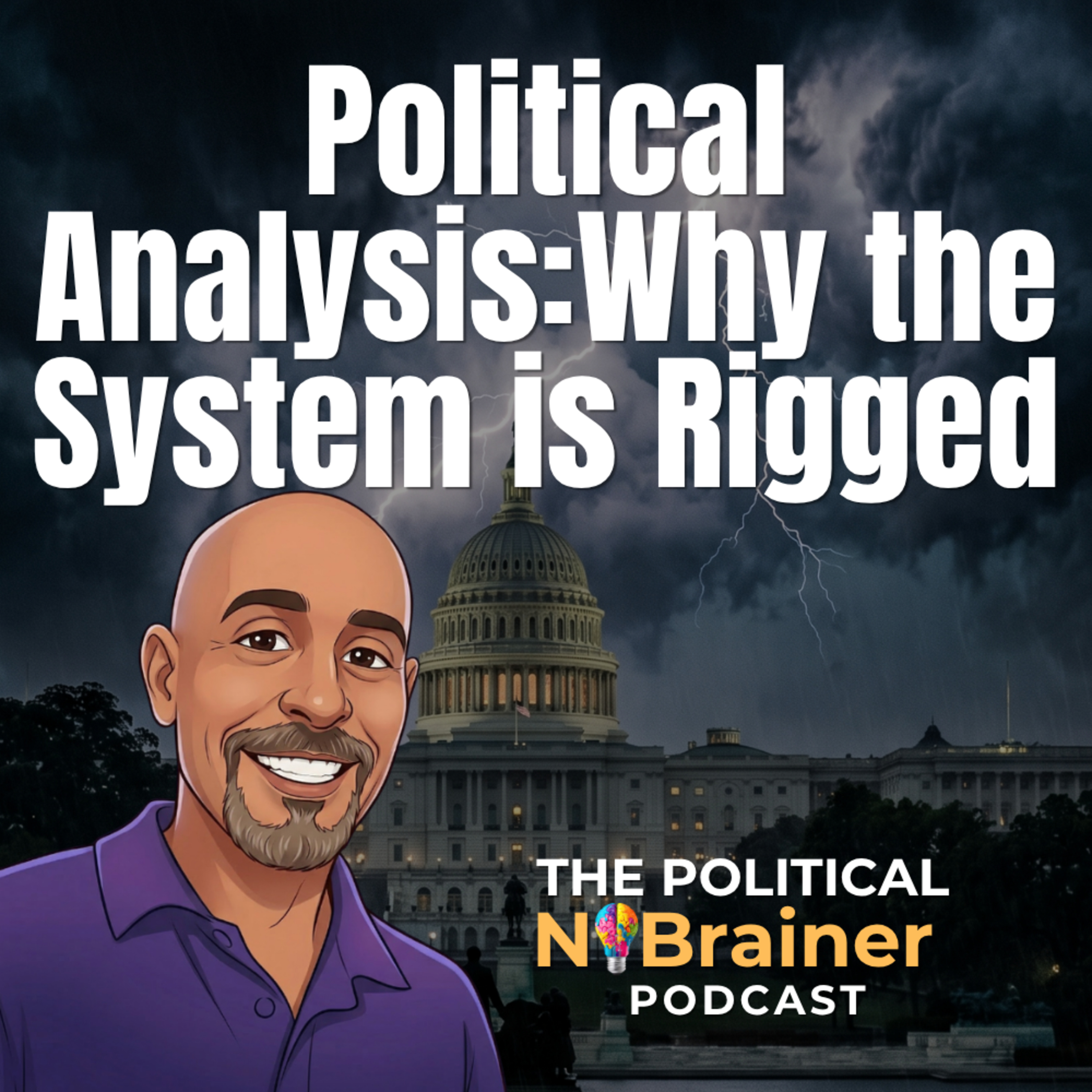
Political Analysis: Why the System is Rigged
from Political No-Brainer Podcast · host Jeff Rabinowitz
The two-party system is actively designed to disenfranchise voters and fuel partisan division. Discover how a structural shift to nonpartisan primaries can restore true accountability to the American electorate."They're using our public funds for a private election process where the purpose is to elect a nominee of a political party." — Chad PeaceIn this episode of the Political No-Brainer podcast, host Jeff Rabinowitz sits down with Chad Peace, strategist for the Independent Voter Project (IVP), to expose the hidden mechanics of the American primary system. While voters often blame political polarization on individual candidates, Peace reveals that the root cause is structural. Across the country, public funds are being utilized to run closed primary elections that serve the private interests of major political parties rather than the general public, effectively locking out millions of independent voters.Peace breaks down IVP's long-term legal strategy to challenge these closed systems under the First Amendment, arguing that the state cannot force party affiliation as a condition for exercising the fundamental right to vote. The conversation dives deep into the realities of gerrymandering—where both parties quietly collaborate to eliminate competitive general elections—and highlights New Jersey and Texas as major battlegrounds for voter independence. Peace also shares a massive insider look at California’s shifting primary models, making a powerful case for moving toward an Alaskan-style "Top Four" system with ranked-choice voting to break the duopoly and create a truly representative democracy.Timestamps00:00 – Intro01:10 – The Origin of the Independent Voter Project02:00 – How Primaries Serve Private Parties, Not Voters03:55 – The Long-Term First Amendment Legal Strategy06:00 – Ideological Arguments at the Supreme Court08:45 – Voter Disenfranchisement in New Jersey11:10 – The Hidden Hurdles Facing Independent Campaigns14:05 – Alaska's Top Four Model vs. California's Top Two18:35 – Private Party Rules and the Bernie Sanders Precedent24:40 – The Open Primary War in Texas: Paxton vs. Nelson29:35 – Why Donald Trump Exposure Helps Reveal the System34:00 – Confronting the Third Circuit's "Just Join a Party" Ruling37:10 – Justice Scalia’s Legal Blueprint for Nonpartisan Primaries39:35 – Closing Thoughts & Where to Find IVPLearn more about the Independent Voter Project https://independentvoterproject.org/⭐ FULL POST & TRANSCRIPT🔔 SUBSCRIBE for weekly political analysis that cuts through the noise#PoliticalNoBrainer #AmericanPolitics #PoliticalPodcast #PoliticalAnalysis #Politics2026FOLLOW POLITICAL NO-BRAINER:💻 https://politicalnobrainer.com💙 Facebook: https://facebook.com/politicalnobrainer🔵 BlueSky https://bsky.app/profile/politicalnobrainer.bsky.socialⅩ : https://x.com/polnobrainer
Embed this episode
Ready to play
Political Analysis: Why the System is Rigged
No transcript for this episode yet
Similar Episodes
No similar episodes found.
Similar Podcasts
No similar podcasts found.