
EPISODE · Jul 8, 2026 · 57 MIN
Preparing Students for the AI-Driven Workplace: Michael Noble
from Workplace Stories by RedThread Research · host Stacia Garr & Dani Johnson
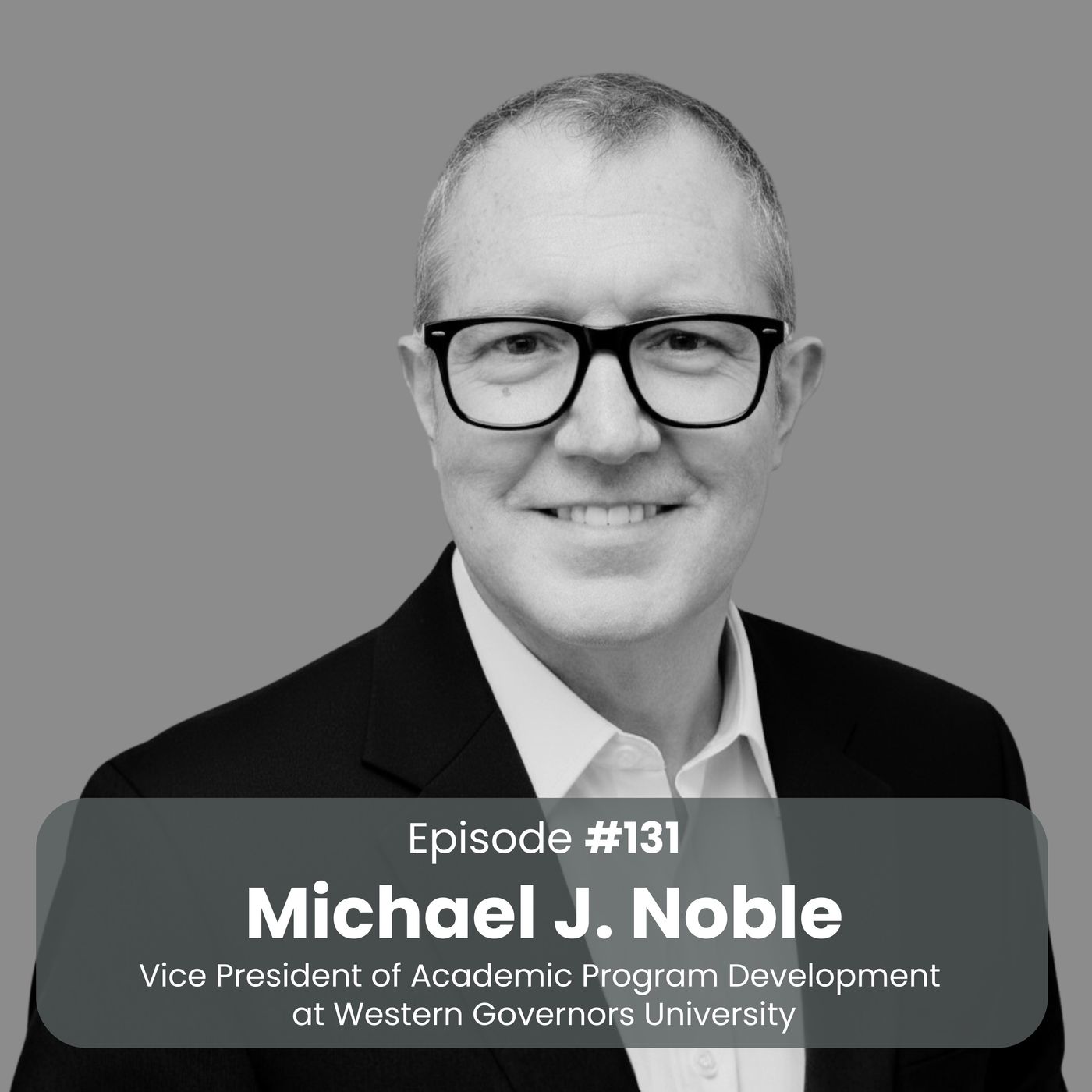
Artificial intelligence is transforming not just our workplaces, but the very nature of education and professional development. Our guest this week, Michael Noble, Vice President of Academic Program Development at Western Governors University (WGU), shares his views on how higher education can rise to the current moment, bridging the gap between academic learning, employable skills, and the changing needs of the workforce. We also dig into how WGU’s innovative approach might become a template for organizations and educational institutions navigating the AI era. You will want to hear this episode if you are interested in...[00:00] Upskilling entry-level talent with AI[03:59] Integrating liberal arts with tech skills[09:34] Discussing higher education trends[15:36] Creating personalized skill-based curriculums[26:13] Leveraging WGU's alumni network[29:14] Challenges in employee development[31:43] Impact of AI on job training[35:17] Integrating philosophy into the curriculum[48:40] Specialization vs. flexibility[55:28] Finding fulfillment through creative workFrom Degree to CompetencyHigher education is experiencing a moment of reckoning around its relevance for today's job market. Traditional models have long focused on grades and credit hours, but WGU centers its model on competency-based education. Students demonstrate mastery of validated competencies—skills verified through rigorous assessment, rather than simply accumulating classroom hours or participation credits. This approach better aligns with employer demands, emphasizing what learners can actually do rather than what they have passively experienced.WGU’s adaptability has enabled it to cater to working adults seeking career advancement, and to students entering directly from high school, who now make up over 40% of its enrollment. By focusing on practical skills and direct assessment, WGU is closing the gap between academic learning and the immediate needs of employers, allowing for more individualized and efficient upskilling.The Power and Challenge of University-Corporate PartnershipsWith AI and automation taking over many entry-level tasks, companies and universities face a new imperative: how do we prepare new hires for roles that require immediate impact and advanced judgment, skipping the traditional ramp-up provided by routine tasks? We discuss WGU’s partnerships with companies like CVS Health, where tailored programs help pharmacy techs advance within the organization and are supported by real-time competency and skills data.Internships, micro-internships, and simulated externships emerged as critical solutions for giving students hands-on, relevant experience. Aligning incentives between corporations seeking skilled workers and universities eager to prove their graduates’ real-world readiness could radically reshape how both sectors approach workforce entry.AI as a Catalyst for Change in Learning and DevelopmentAI isn’t just changing what skills are needed, but how learning itself happens. WGU is embracing AI-native tools—virtual assistants for students, personalized learning feedback, and AI-assisted evaluation—to both scale quality learning and support the work of instructors and curriculum developers.This technological shift is also transforming the structure of learning and development teams. Specialists are becoming “augmented generalists,” using AI tools to speed up design, delivery, and personalization, but the need for deep expertise and sound judgment remains crucial. Just because something looks polished doesn’t mean it’s fully accurate or effective.Recognizing that many students lack the networking advantages of elite institutions, WGU is using its growing alumni network, piloting programs that help students connect with industry veterans, and offering achievement “wallets” to showcase their skills and experiences—key ingredients in leveling the playing field for career advancement. Resources & People MentionedOffice of the President Scott Pulsipher Bryan Alexander: Georgetown University Ruth Bader GinsburgMidwest Innocence Project Connect with Michael NobleMichael Noble on LinkedIn Connect With RedThread ResearchWebsite: RedThread ResearchOn LinkedIn
What this episode covers
Artificial intelligence is transforming not just our workplaces, but the very nature of education and professional development. Our guest this week, Michael Noble, Vice President of Academic Program Development at Western Governors University (WGU), shares his views on how higher education can rise to the current moment, bridging the gap between academic learning, employable skills, and the changing needs of the workforce. We also dig into how WGU’s innovative approach might become a template for organizations and educational institutions navigating the AI era. You will want to hear this episode if you are interested in...[00:00] Upskilling entry-level talent with AI[03:59] Integrating liberal arts with tech skills[09:34] Discussing higher education trends[15:36] Creating personalized skill-based curriculums[26:13] Leveraging WGU's alumni network[29:14] Challenges in employee development[31:43] Impact of AI on job training[35:17] Integrating philosophy into the curriculum[48:40] Specialization vs. flexibility[55:28] Finding fulfillment through creative workFrom Degree to CompetencyHigher education is experiencing a moment of reckoning around its relevance for today's job market. Traditional models have long focused on grades and credit hours, but WGU centers its model on competency-based education. Students demonstrate mastery of validated competencies—skills verified through rigorous assessment, rather than simply accumulating classroom hours or participation credits. This approach better aligns with employer demands, emphasizing what learners can actually do rather than what they have passively experienced.WGU’s adaptability has enabled it to cater to working adults seeking career advancement, and to students entering directly from high school, who now make up over 40% of its enrollment. By focusing on practical skills and direct assessment, WGU is closing the gap between academic learning and the immediate needs of employers, allowing for more individualized and efficient upskilling.The Power and Challenge of University-Corporate PartnershipsWith AI and automation taking over many entry-level tasks, companies and universities face a new imperative: how do we prepare new hires for roles that require immediate impact and advanced judgment, skipping the traditional ramp-up provided by routine tasks? We discuss WGU’s partnerships with companies like CVS Health, where tailored programs help pharmacy techs advance within the organization and are supported by real-time competency and skills data.Internships, micro-internships, and simulated externships emerged as critical solutions for giving students hands-on, relevant experience. Aligning incentives between corporations seeking skilled workers and universities eager to prove their graduates’ real-world readiness could radically reshape how both sectors approach workforce entry.AI as a Catalyst for Change in Learning and DevelopmentAI isn’t just changing what skills are needed, but how learning itself happens. WGU is embracing AI-native tools—virtual assistants for students, personalized learning feedback, and AI-assisted evaluation—to both scale quality learning and support the work of instructors and curriculum developers.This technological shift is also transforming the structure of learning and development teams. Specialists are becoming “augmented generalists,” using AI tools to speed up design, delivery, and personalization, but the need for deep expertise and sound judgment remains crucial. Just because something looks polished doesn’t mean it’s fully accurate or effective.Recognizing that many students lack the networking advantages of elite institutions, WGU is using its growing...
NOW PLAYING
Preparing Students for the AI-Driven Workplace: Michael Noble
No transcript for this episode yet
Similar Episodes
Mar 26, 2026 ·1m
Jan 2, 2026 ·47m
Dec 21, 2025 ·46m