Preserving the UN Memorial Cemetery’s balance between remembrance and public space episode artwork

EPISODE · Jun 3, 2026 · 6 MIN

Preserving the UN Memorial Cemetery’s balance between remembrance and public space

from Korea JoongAng Daily - Daily News from Korea

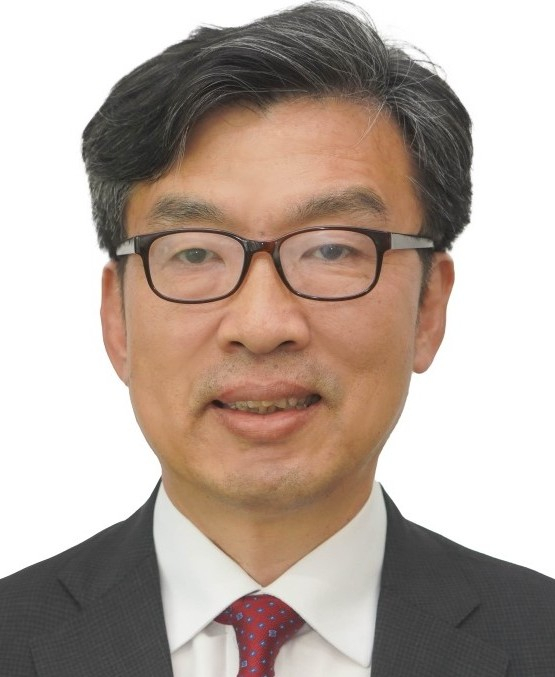
The author is the head of the United Nations Memorial Cemetery in Korea and a former ambassador to the Mission of the Republic of Korea to Asean. Located in the Daeyeon-dong area of Nam District, Busan, the United Nations Memorial Cemetery in Korea was established in January 1951 by the United Nations Command during the height of the 1950-53 Korean War to bury fallen service members. In 1955, after Korea's National Assembly decided to donate the cemetery site, the United Nations General Assembly adopted a resolution placing the cemetery under permanent UN management. As the UN Memorial Cemetery marks its 75th anniversary and Korea observes its annual month of remembrance and patriotism, it is worth reflecting on what kind of space this unique site should become in the years ahead. The cemetery is more than a burial ground. It is both a repository of history and a valuable urban green space woven into the daily lives of Busan's 3.24 million residents. Last year, approximately 470,000 people visited the site. Through the end of March this year, visitor numbers had already reached 120,000, a 50 percent increase from the same period a year earlier, putting the cemetery on track to surpass 600,000 visitors by the year's end. The question is how far such a place should be opened to the public while preserving the solemnity of its mission. The future of the UN Memorial Cemetery should be guided by three principles. First, the cemetery must remain, above all else, a place of remembrance. It is the resting place of 2,339 service members from 14 countries who sacrificed their youth and lives in defense of Korea's freedom and peace. For that reason, management principles should remain consistent with those of major international military cemeteries such as the Arlington National Cemetery in the United States and the Normandy American Cemetery in France. Dignity and solemnity must be preserved. Access to lawns should continue to be primarily for memorial and visitation purposes, while excessive noise and recreational activities should be limited. The significance of the cemetery has not diminished with time. Since 2015, 37 Korean War veterans who died in their home countries have been reinterred at the cemetery. Just last month, one Dutch veteran and two French veterans returned to rest beside their comrades. Since 2017, the annual Turn Toward Busan ceremony has been held every Nov. 11. At 11 a.m., people around the world are invited to observe one minute of silence facing Busan, where the cemetery is located, to honor those who fought in the Korean War. Veterans and bereaved families continue to travel long distances to revisit the cemetery, and some veterans choose it as their final resting place. They do so because the site retains the dignity expected of a memorial space and because Korea's government and citizens continue to remember their sacrifice and service. At the same time, selected green areas may be used in ways that are more accessible to the public. People can walk quietly through nature, students can participate in educational forest programs and international visitors can experience Busan's identity as a global city committed to peace. Such activities, however, should be carefully aligned with the character of the site. Rather than functioning as a picnic destination or venue for commercial festivals, the cemetery is better suited to small concerts with commemorative themes, lectures on peace and history and ecological education programs that reinforce its purpose while maintaining its dignity. Second, it is important to distinguish between different types of events. Memorial ceremonies should continue to be held near the principal cemetery grounds and symbolic areas where the flags of the United Nations and 24 nations are displayed. Cultural events, by contrast, could be considered in green spaces or near the UN Forces Monument, provided they take forms consistent with remembrance and reflection. Decisions regardin...

The author is the head of the United Nations Memorial Cemetery in Korea and a former ambassador to the Mission of the Republic of Korea to Asean. Located in the Daeyeon-dong area of Nam District, Busan, the United Nations Memorial Cemetery in Korea was established in January 1951 by the United Nations Command during the height of the 1950-53 Korean War to bury fallen service members. In 1955, after Korea's National Assembly decided to donate the cemetery site, the United Nations General Assembly adopted a resolution placing the cemetery under permanent UN management. As the UN Memorial Cemetery marks its 75th anniversary and Korea observes its annual month of remembrance and patriotism, it is worth reflecting on what kind of space this unique site should become in the years ahead. The cemetery is more than a burial ground. It is both a repository of history and a valuable urban green space woven into the daily lives of Busan's 3.24 million residents. Last year, approximately 470,000 people visited the site. Through the end of March this year, visitor numbers had already reached 120,000, a 50 percent increase from the same period a year earlier, putting the cemetery on track to surpass 600,000 visitors by the year's end. The question is how far such a place should be opened to the public while preserving the solemnity of its mission. The future of the UN Memorial Cemetery should be guided by three principles. First, the cemetery must remain, above all else, a place of remembrance. It is the resting place of 2,339 service members from 14 countries who sacrificed their youth and lives in defense of Korea's freedom and peace. For that reason, management principles should remain consistent with those of major international military cemeteries such as the Arlington National Cemetery in the United States and the Normandy American Cemetery in France. Dignity and solemnity must be preserved. Access to lawns should continue to be primarily for memorial and visitation purposes, while excessive noise and recreational activities should be limited. The significance of the cemetery has not diminished with time. Since 2015, 37 Korean War veterans who died in their home countries have been reinterred at the cemetery. Just last month, one Dutch veteran and two French veterans returned to rest beside their comrades. Since 2017, the annual Turn Toward Busan ceremony has been held every Nov. 11. At 11 a.m., people around the world are invited to observe one minute of silence facing Busan, where the cemetery is located, to honor those who fought in the Korean War. Veterans and bereaved families continue to travel long distances to revisit the cemetery, and some veterans choose it as their final resting place. They do so because the site retains the dignity expected of a memorial space and because Korea's government and citizens continue to remember their sacrifice and service. At the same time, selected green areas may be used in ways that are more accessible to the public. People can walk quietly through nature, students can participate in educational forest programs and international visitors can experience Busan's identity as a global city committed to peace. Such activities, however, should be carefully aligned with the character of the site. Rather than functioning as a picnic destination or venue for commercial festivals, the cemetery is better suited to small concerts with commemorative themes, lectures on peace and history and ecological education programs that reinforce its purpose while maintaining its dignity. Second, it is important to distinguish between different types of events. Memorial ceremonies should continue to be held near the principal cemetery grounds and symbolic areas where the flags of the United Nations and 24 nations are displayed. Cultural events, by contrast, could be considered in green spaces or near the UN Forces Monument, provided they take forms consistent with remembrance and reflection. Decisions regardin...

NOW PLAYING

Preserving the UN Memorial Cemetery’s balance between remembrance and public space

0:00 6:09

No transcript for this episode yet

We transcribe on demand. Request one and we'll notify you when it's ready — usually under 10 minutes.

Breaking News Show | eTurboNews Juergen Thomas Steinmetz News is relevant to the global travel and tourism industry, human rights and global issues.Breaking news when it happens and only from the source. French Your Way Jessica: Native French teacher founder of French Your Way Boost your French listening skills and test your comprehension with this one of a kind series of podcasts. Get the chance to listen to a real conversation between native speakers talking at normal speed AND customise your learning experience through carefully designed sets of questions (2 levels of difficulty) available for download at www.frenchvoicespodcast.com. All interviews also come with the transcript. French teacher Jessica interviews native speakers of French from around the world who share a bit of their life and passion. Where else would you meet in one same place a French yoga teacher based in Melbourne, a soap manufacturer from Provence, or a couple cycling around the world? HOMELAND HOMELAND The Church is a body not a building. It's the bride of Jesus Christ! Jesus is coming back for a mature bride. That means it's time for the church of Jesus Christ to move from milk to meat. This is the hour of maturity!HOMELAND is an announcement that the church is being set free. Only the church has the ability to transform the world. The kingdom's of this world will become the kingdoms of our Lord and Savior!All of creation has been waiting for this moment! Sons and daughters of God are rising up and taking their seat! PodQuesting Dwight J Randolph- WolfShield Media PodQuesting: -By WolfShield Media and Dwight J RandolphJoin us on an exciting journey to master the world of fiction podcasting! At PodQuesting, we document our quest to improve and innovate, sharing valuable insights, strategies, and behind-the-scenes tips along the way. Whether you're an experienced podcaster or just starting your first show, our podcast is your go-to resource for everything podcasting.Discover practical advice, creative techniques, and lessons from our own experiences as we explore the ever-evolving podcasting landscape. Ready to level up your skills and embark on this adventure with us? Tune in and join the quest!Have questions or feedback? Reach out to us at [email protected] and visit our website:WolfShield.Media

Frequently Asked Questions

How long is this episode of Korea JoongAng Daily - Daily News from Korea?

This episode is 6 minutes long.

When was this Korea JoongAng Daily - Daily News from Korea episode published?

This episode was published on June 3, 2026.

What is this episode about?

The author is the head of the United Nations Memorial Cemetery in Korea and a former ambassador to the Mission of the Republic of Korea to Asean. Located in the Daeyeon-dong area of Nam District, Busan, the United Nations Memorial Cemetery in Korea...

Can I download this Korea JoongAng Daily - Daily News from Korea episode?

Yes, you can download this episode by clicking the download button on the episode player, or subscribe to the podcast in your preferred podcast app for automatic downloads.
URL copied to clipboard!