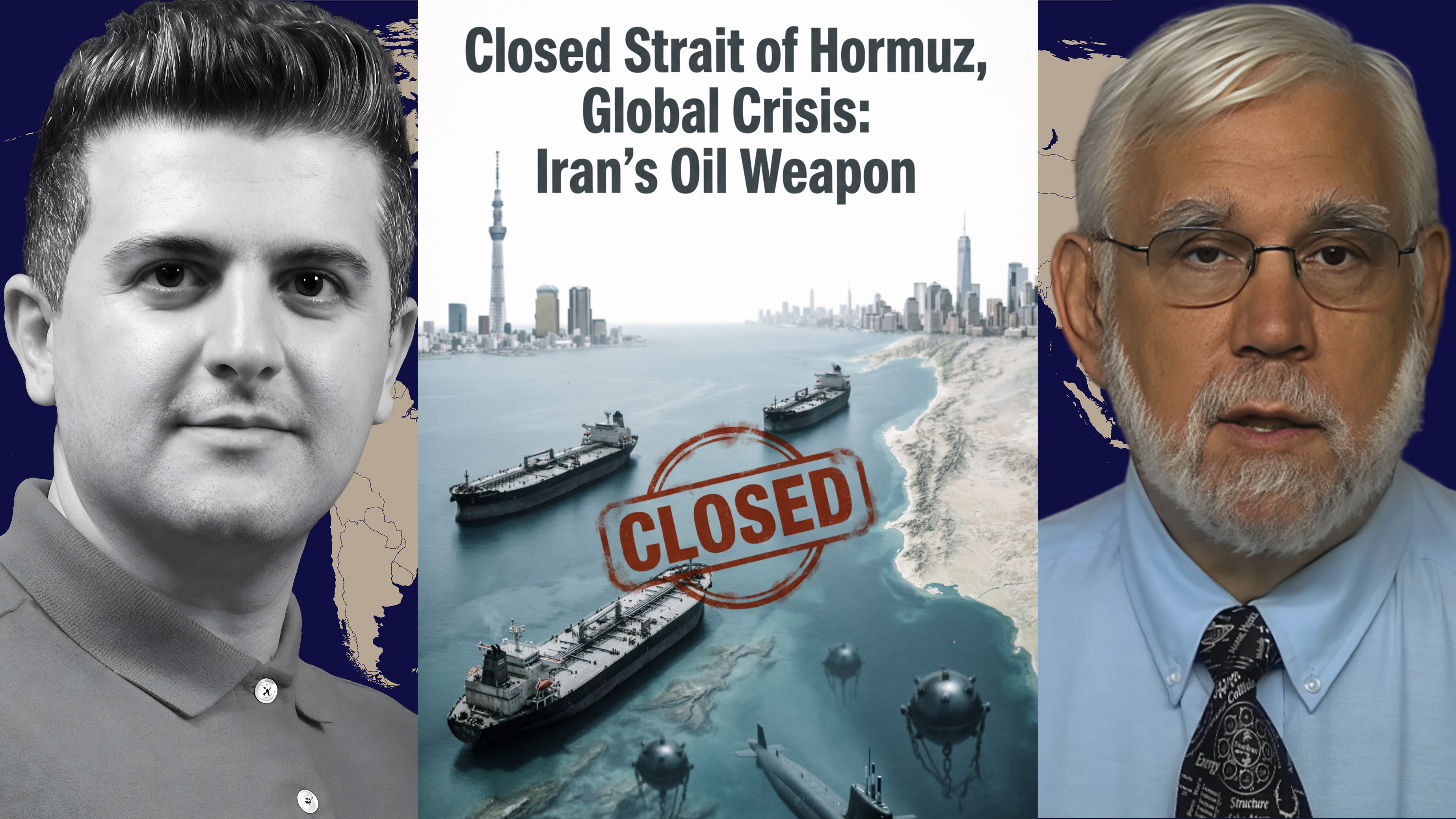
Prof. Theodore Postol: Iran War Is HERE — U.S. & Israel ATTACK & Iran’s Devastating Counterattack episode artwork

EPISODE · Mar 2, 2026 · 1H 4M

Prof. Theodore Postol: Iran War Is HERE — U.S. & Israel ATTACK & Iran’s Devastating Counterattack

from Dialogue Works

Expert analysis of the US-Israel-Iran conflict reveals stark military realities. Initial airstrikes damage Iran, but Tehran's ballistic missiles enable sustained retaliation against Israel's small, urbanized territory. Air defenses on both sides show limited effectiveness against ballistic threats. Iran's closure of the Strait of Hormuz threatens global oil flows—Japan relies on it for 90% of crude. With thousands of mines and midget submarines, Iran can keep the strait closed long-term. US munitions production is critically constrained: ~50 Patriot interceptors/month, 8 THAAD, 1 SM-3, while Iran reportedly makes 250-300 ballistic missiles monthly in underground facilities. Visual analysis suggests interceptor success rates are far below official claims. Economic strain, rising fuel costs, and domestic political pressures may limit Western war sustainability. China provides satellite intelligence support to Iran. The discussion highlights war's unpredictability, civilian risks, and critical questions about leadership decisions that triggered this avoidable conflict. Hosted on Acast. See acast.com/privacy for more information.

Expert analysis of the US-Israel-Iran conflict reveals stark military realities. Initial airstrikes damage Iran, but Tehran's ballistic missiles enable sustained retaliation against Israel's small, urbanized territory. Air defenses on both sides show limited effectiveness against ballistic threats. Iran's closure of the Strait of Hormuz threatens global oil flows—Japan relies on it for 90% of crude. With thousands of mines and midget submarines, Iran can keep the strait closed long-term. US munitions production is critically constrained: ~50 Patriot interceptors/month, 8 THAAD, 1 SM-3, while Iran reportedly makes 250-300 ballistic missiles monthly in underground facilities. Visual analysis suggests interceptor success rates are far below official claims. Economic strain, rising fuel costs, and domestic political pressures may limit Western war sustainability. China provides satellite intelligence support to Iran. The discussion highlights war's unpredictability, civilian risks, and critical questions about leadership decisions that triggered this avoidable conflict. Hosted on Acast. See acast.com/privacy for more information.

NOW PLAYING

Prof. Theodore Postol: Iran War Is HERE — U.S. & Israel ATTACK & Iran’s Devastating Counterattack

0:00 1:04:46

No transcript for this episode yet

We transcribe on demand. Request one and we'll notify you when it's ready — usually under 10 minutes.

Dragnet Entertainment Radio The Dragnet radio show was a groundbreaking and influential police procedural drama that ran on NBC from 1949 to 1957. Here are some key things to know about it:Main Features:Focus: The show followed the cases of Sergeant Joe Friday and his partners, primarily in the Los Angeles Police Department. It depicted the real-life work of detectives, including the tedious investigation process, interviews, stakeouts, and occasional danger.Realism: Jack Webb, the show's creator and star, aimed for authenticity. Episodes were often based on real cases, with details changed to protect the innocent. The dialogue was direct and unvarnished, mimicking the way police officers actually spoke.Famous Intro: The show's opening sequence is iconic: the announcer's voice declaring "This is the city... Los Angeles... California..." followed by the signature "dun-dun-DUN" theme music.Impact:Pioneering Police Procedural: Dragnet is considered a pioneer of What Works? Sophie Scott, UCL PALS Prof Sophie Scott, Director of the Institute of Cognitive Neuroscience at University College London, discusses life and science and careers with her colleagues from the Division of Psychology and Language Sciences at UCL, and beyond. The aim of the show is to highlight some amazing scientists, and explore their journeys through science and life, and find out what works for them. Growth Triggers Luis Diaz Discover how to use your podcast to generate leads, sales, and influence in any market.On this show Luis shares his best tested and proven secrets, tips, and strategies from launching over 300 podcasts in over a dozen different niches and generating over 59 Million Downloads for his clients.Learn how to increase your podcast listenership, create multiple new revenue streams with your podcast, sell more of your core offer and build a show that gives you leverage and authority in your space. From picking the right monetization strategy for your podcast to learning how to position your podcast in a crowded market on Apple and Spotify; this is show is the ultimate marketing and sales resource for online business owners who want to know what works with podcasting.Get in touch over on Instagram <a target="_blank" rel="noopener noreferrer nofollow" class="link" href="https://www.instagram.com/luisr SPADE: The Podcast Paul Anthony Henderson Jr SPADE: The Podcast stands as a beacon of hope and understanding, addressing critical mental health challenges within the African American community. SPADE (Suicide, Post-Traumatic Stress Disorder, Anxiety, Depression, and Epilepsy) seeks to shine a light on topics often stigmatized and misunderstood. Our mission is to break the silence surrounding these issues, encouraging open dialogue and fostering a culture of support and education. By providing meaningful resources and sharing powerful stories, we aim to empower individuals to confront these challenges head-on and build pathways toward healing. Mental health is a crucial but often overlooked subject in the African American community. It’s time to dismantle the barriers of shame and stigma, ensuring everyone feels safe to speak their truth and seek the help they need. This podcast is more than just a platform—it’s a movement to spark change, spread awareness, and inspire action within families, friendships, and communities.

Frequently Asked Questions

How long is this episode of Dialogue Works?

This episode is 1 hour and 4 minutes long.

When was this Dialogue Works episode published?

This episode was published on March 2, 2026.

What is this episode about?

Expert analysis of the US-Israel-Iran conflict reveals stark military realities. Initial airstrikes damage Iran, but Tehran's ballistic missiles enable sustained retaliation against Israel's small, urbanized territory. Air defenses on both sides...

Can I download this Dialogue Works episode?

Yes, you can download this episode by clicking the download button on the episode player, or subscribe to the podcast in your preferred podcast app for automatic downloads.
URL copied to clipboard!