
EPISODE · Oct 28, 2024 · 11 MIN
Pt. 2 Traditions and regional expressions
from Día de los Muertos: Celebrating Life Through Remembrance · host Inception Point Ai
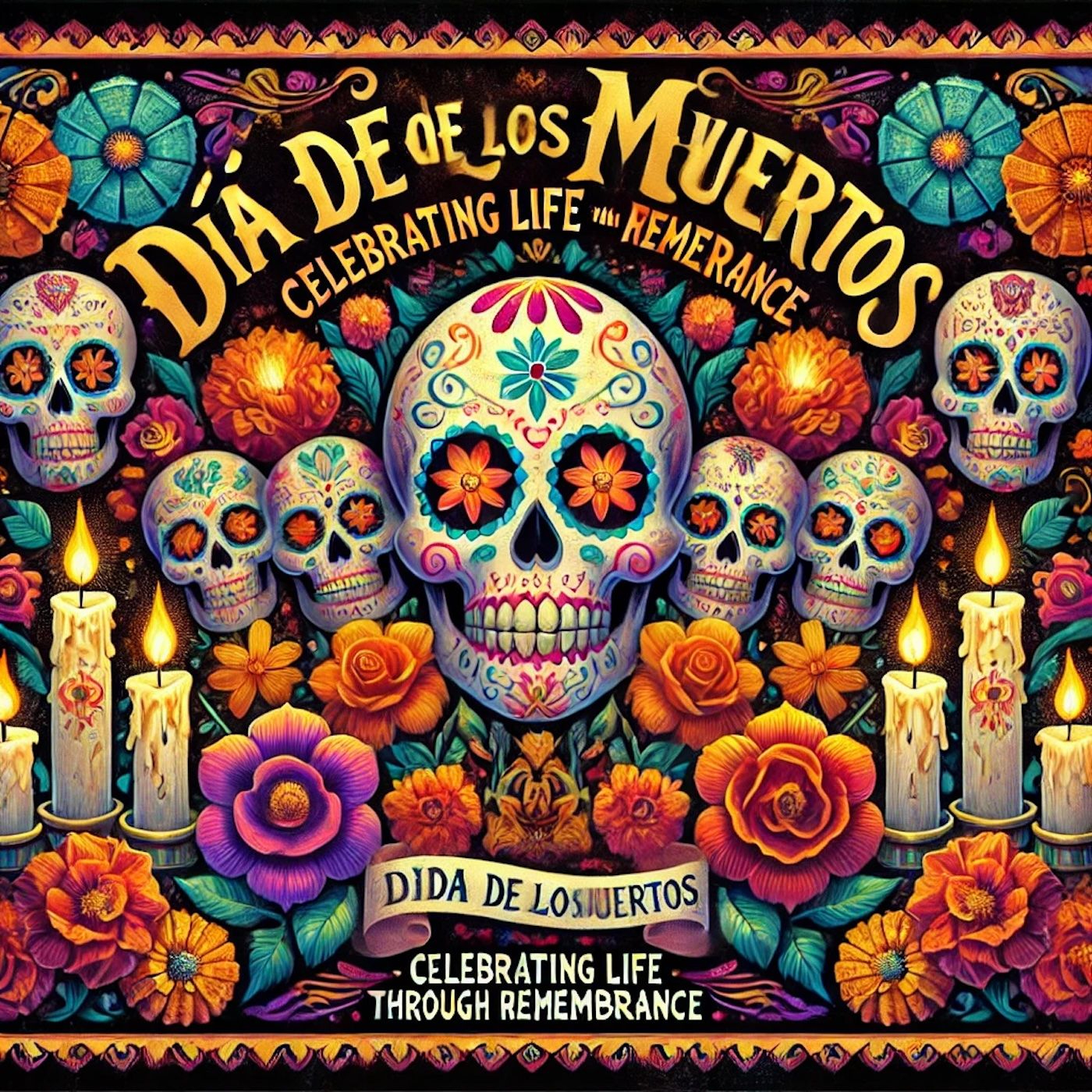
Building upon the profound traditions and regional expressions of Día de los Muertos, the celebration is not just a colorful event but a window into a philosophy of life, death, and the spiritual connection between past and present. In recent years, Día de los Muertos has become more than a festival—it is evolving into a social and cultural movement that connects communities, fosters social justice, and raises awareness about environmental and global issues. This follow-up article explores how Día de los Muertos is transcending its roots, influencing global communities, and acting as a platform for education, cultural preservation, and activism. Part 1: Día de los Muertos and Social Justice Movements The spiritual and familial elements of Día de los Muertos naturally extend to themes of social justice and remembrance. The tradition of honoring the dead is particularly poignant in regions or among groups affected by violence, social inequality, and injustice. In Mexico, Día de los Muertos has become a way to honor victims of violence, especially in regions affected by conflicts related to organized crime or social upheaval. Families and communities dedicate ofrendas to loved ones lost to such violence, turning the celebration into a powerful act of resilience and collective mourning. Ofrendas for Victims of Social Injustice In recent years, activists and families have set up public ofrendas dedicated to individuals who lost their lives to violence, discrimination, and systemic injustice. These ofrendas not only honor the deceased but also raise awareness about the struggles faced by marginalized communities. In Mexico, ofrendas for journalists who have lost their lives reporting on dangerous stories, indigenous activists defending land rights, and migrants who died in pursuit of a better life serve as poignant reminders of the need for change. Outside of Mexico, Día de los Muertos has inspired similar acts of remembrance. In the United States, particularly in California and Texas, communities have begun creating ofrendas for victims of police violence and those who died while attempting to cross the U.S.-Mexico border. These symbolic spaces foster solidarity and encourage broader conversations on issues like immigration, human rights, and racial justice, linking the holiday's spiritual themes to contemporary issues. The Day of the Dead Parade as a Platform for Change In Mexico City, the Day of the Dead parade has become a vibrant and high-profile event, showcasing not only traditional themes but also calls for social justice. In recent parades, massive skulls and skeletons have been adorned with symbols and signs protesting environmental destruction, advocating for women's rights, or denouncing corruption. Art installations and performances during the parade often carry powerful messages, blending aesthetics with activism. By weaving these messages into the celebration, Día de los Muertos becomes a vehicle for expressing the need for societal transformation. Part 2: Cultural Preservation in the Face of Globalization As Día de los Muertos spreads worldwide, the cultural preservation of its core values becomes a delicate balance. While the global appeal of Día de los Muertos strengthens its visibility, it also brings challenges associated with cultural appropriation and the dilution of its deeper meanings. Protecting the Integrity of Día de los Muertos Symbols Catrina face paint, sugar skull motifs, and marigold flowers have become popular globally, particularly during Halloween. However, these elements are often commercialized in ways that strip them of their significance. Cultural organizations in Mexico and abroad have started educational campaigns to clarify the meaning behind these symbols, encouraging people to approach Día de los Muertos with respect and understanding rather than as a trend. In response to concerns of appropriation, some communities have launched initiatives aimed at educating people on the holiday’s roots. Museums and cultural centers worldwide are hosting workshops that explain the spiritual significance of the ofrenda, the symbolism of the marigold, and the story behind La Catrina. This emphasis on cultural preservation not only protects Día de los Muertos from becoming overly commercialized but also encourages deeper intercultural understanding. Virtual Spaces and Digital Ofrendas as Tools for Education With the rise of digital ofrendas and online celebrations, Día de los Muertos has found new spaces for expression. Digital altars and online workshops have made the tradition accessible to people who may not have been exposed to it otherwise, while also allowing families separated by borders to come together in shared remembrance. Social media campaigns by cultural organizations offer information on the history of Día de los Muertos, its symbolism, and respectful ways to participate, ensuring that the essence of the celebration endures in the digital realm. These virtual platforms allow Mexican communities and cultural organizations to reach a broader audience, helping non-Mexican participants learn about Día de los Muertos’ importance, not just as a holiday, but as a cultural and spiritual heritage. Part 3: Día de los Muertos and Environmental Awareness Día de los Muertos has always held a deep connection to nature, symbolized by the use of marigolds, incense, and traditional foods. In recent years, environmental issues have prompted many people to consider more sustainable ways to celebrate the holiday. Communities are increasingly aware of the environmental impact of certain materials and are adapting their traditions to reduce waste and promote ecological consciousness. Sustainable Celebrations: Redefining Traditional Practices Traditionally, Día de los Muertos decorations include papel picado (cut paper banners), real candles, and imported marigolds. As environmental awareness grows, some families and organizations have begun using LED candles, biodegradable papel picado, and locally sourced or planted marigolds instead of imported varieties. This shift not only preserves the aesthetic of the celebration but also aligns with modern values of sustainability and environmental stewardship. In addition to adapting decorations, some communities have chosen to incorporate environmental themes into their ofrendas. Altars dedicated to environmental activists, indigenous land protectors, and endangered species highlight the urgent need to respect and protect nature. This evolution in Día de los Muertos traditions underscores the holiday's adaptability, demonstrating that it can retain its core meaning while evolving to reflect contemporary concerns. The Role of Monarch Butterflies as Symbols of Resilience The monarch butterfly migration, which brings millions of butterflies to Mexico each fall, has long been associated with Día de los Muertos. Indigenous groups interpret the arrival of the monarchs as the return of ancestral souls. However, climate change and habitat destruction have put the monarch population at risk, making their symbolic role even more poignant. Environmental groups have used Día de los Muertos celebrations to educate the public about the plight of the monarchs, incorporating butterfly imagery in parades, altars, and public displays. This convergence of ecological awareness with cultural symbolism highlights Día de los Muertos as a celebration deeply rooted in the cycles of nature. Part 4: Global Impact and Cultural Exchange As Día de los Muertos expands internationally, its impact on global culture has sparked both appreciation and adaptation. Non-Mexican communities have embraced the holiday for its beauty, symbolism, and emphasis on remembrance, and while this global spread carries the risk of commercialization, it also offers opportunities for meaningful cultural exchange. Día de los Muertos in the United States: Building Bridges and Honoring Heritage In cities like Los Angeles, San Francisco, and Austin, Día de los Muertos celebrations have taken on new forms that honor Mexican and Mexican-American identities while inviting people of other backgrounds to participate. The event provides a space for Mexican-Americans to celebrate their heritage openly, building a sense of community and belonging. Some U.S. festivals combine Día de los Muertos traditions with local customs, creating a fusion that respects the original celebration while making it accessible to a broader audience. Through these festivals, Día de los Muertos fosters intercultural dialogue and allows people to reflect on their own traditions of remembrance. It also serves as a reminder of the contributions of Mexican culture to the United States, deepening understanding and reducing stereotypes by emphasizing shared human experiences of love, loss, and memory. Addressing Cultural Appropriation with Education and Inclusivity To prevent Día de los Muertos from becoming a mere aesthetic trend, cultural organizations and educators emphasize the importance of understanding the holiday’s true significance. Campaigns that discourage the sale of mass-produced Día de los Muertos-themed merchandise and encourage cultural sensitivity are helping to address issues of appropriation. By promoting inclusivity and education, these initiatives invite people to engage with Día de los Muertos in ways that honor its origins. The celebration’s essence lies in its respect for the dead and the life-affirming power of memory. In encouraging respectful participation, Día de los Muertos continues to be a bridge for global connections, grounded in empathy and understanding. Part 5: The Future of Día de los Muertos – Preservation Through Adaptation The strength of Día de los Muertos lies in its adaptability. As it moves forward into new cultural and social contexts, it continues to hold on to its essential spirit—a celebration of life, death, and the interconnectedness of all things. The holiday’s ability to embrace change while prThis content was created in partnership and with the help of Artificial Intelligence AIThis episode includes AI-generated content.
NOW PLAYING
Pt. 2 Traditions and regional expressions
No transcript for this episode yet
Similar Episodes
Mar 26, 2026 ·1m
Mar 19, 2026 ·34m
Mar 3, 2026 ·44m
Feb 21, 2026 ·30m
Feb 18, 2026 ·11m
Feb 11, 2026 ·45m