
EPISODE · Jan 4, 2024 · 32 MIN
Restorative Justice
from A Guy With AI · host Sean MacNutt
(00:00) Exploring Restorative Justice This chapter explores the concept of restorative justice, its origins, and its principles, highlighting its focus on rehabilitation through reconciliation with victims and the community. I, Sean MacNutt, along with my AI co-host, discuss the potential of restorative justice to address the root causes of criminal behavior and the importance of accountability, healing, and making amends. We consider the opportunities for offenders to reflect on their actions and the impact on victims and society, emphasizing the importance of dialogue and engagement in the restorative process. Through this exploration, we recognize that restorative justice aims not only to correct wrongdoing but also to foster personal growth and community healing. (15:13) The Benefits of Restorative Justice This chapter acknowledges the complexities of enduring poverty, food insecurity, and untreated mental health issues, and the systemic challenges that often exacerbate these conditions. I explore the importance of empathy and understanding in addressing these hardships, emphasizing the need for restorative justice approaches as an alternative to traditional punitive systems. Restorative justice, with its focus on healing, accountability, and reintegration, is contrasted with the current justice system, which is criticized for perpetuating recidivism and racial disparities, particularly among indigenous peoples. I advocate for policy changes that address economic disparities and improve access to mental health services. By highlighting the effectiveness of restorative justice in reducing reentry into the criminal justice system, I stress the value of community involvement, healing trauma, and cultural considerations in creating a more equitable and supportive environment for those affected by these systemic issues. (27:02) The Purpose of Incarceration This chapter, I reflect on the complex issues surrounding the restriction of an individual's freedom through incarceration, considering whether this is justified as a form of punishment or a necessity for public protection. We explore the philosophical underpinnings of punishing individuals by depriving them of their rights and the implications this has on justice, questioning if this approach effectively reduces overall harm. I also consider the delicate balance between ensuring public safety and respecting individual rights, and the importance of a measured and careful approach to these decisions. In closing, I invite honest dialogue about the efficacy of our justice system in targeting and mitigating harm, emphasizing the need for a nuanced and thoughtful consideration of these critical issues. Facebook PageYouTube ChannelInstagramPayPal
What this episode covers
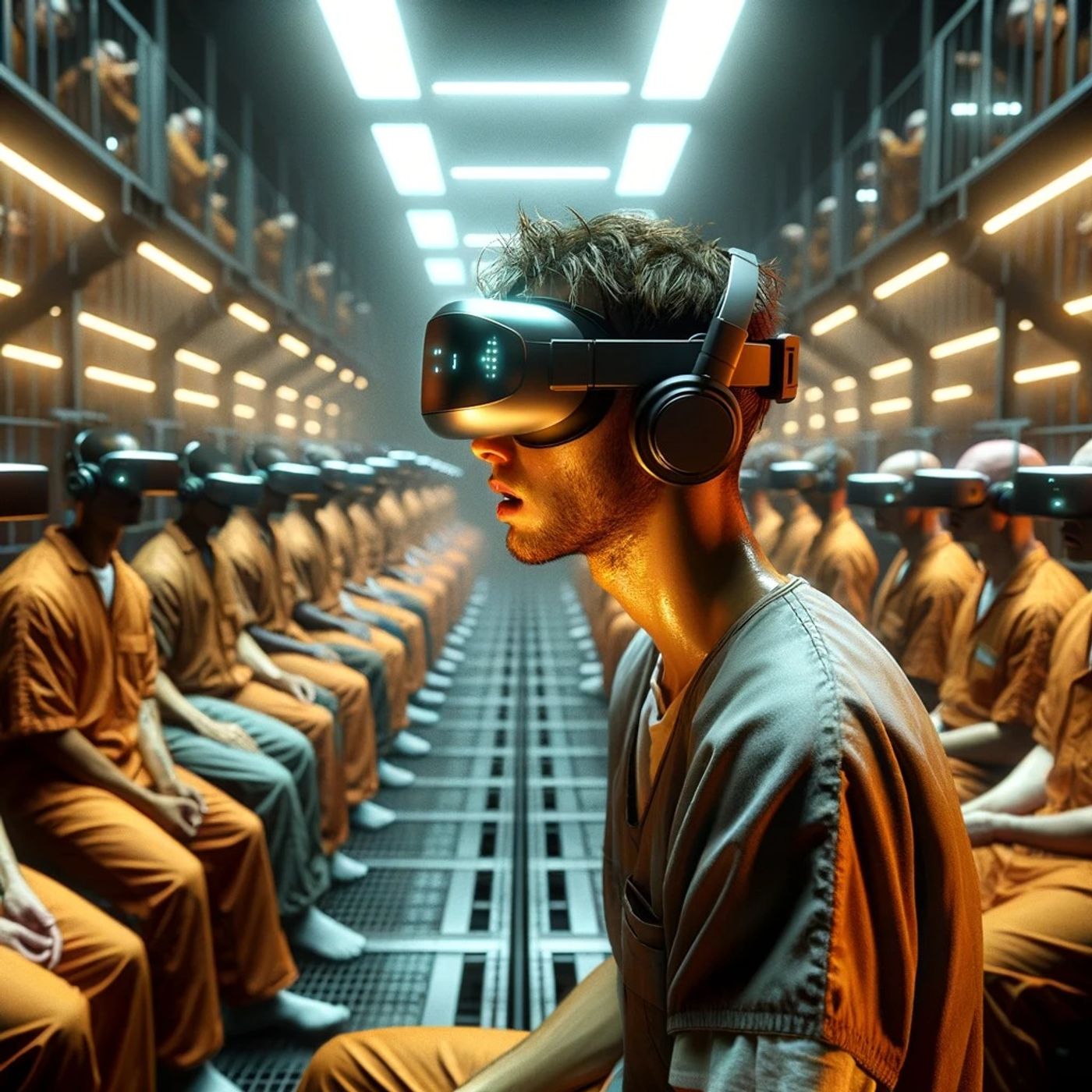
An AI-written sci-fi story on the theme of this episode follows this summary: Could our current justice system be missing a critical component of humanity that holds the key to not just punishing, but healing and restoring? Join me, Sean MacNutt, and my AI co-host as we unleash the transformative power of restorative justice. This episode isn't just a discussion; it's a journey into the heart of what it means to right wrongs with a focus on nurturing personal growth and mending communal bonds. We're pulling back the curtain on how this approach can tackle the deeper societal issues that often feed into criminal behavior—issues like poverty, food insecurity, and untreated mental health conditions. Prepare to be challenged and inspired as we uncover the potential for restorative justice to create communities rooted in empathy and support. This isn't your usual conversation about incarceration. We're probing the very essence of what it means to restrict someone's freedom and whether this serves as just punishment or essential protection for society. Our poignant reflections on the balance between public safety and individual rights might leave you questioning everything you thought you knew about the efficacy of our justice system. Through the wisdom of dialogue and the struggle for a fair balance, we wade into the complexities surrounding the purpose of prison time. Whether you're longing for a deeper understanding of justice or eager for a fresh perspective on societal restoration, this episode promises a perspective that's as enlightening as it is provocative. *** In a future where virtual reality (VR) is the cornerstone of criminal rehabilitation, Jordan Miles, an innocent young engineer, finds himself caught in the system. He quickly realizes that the VR experiences, while technologically advanced, lack the essence of true restorative justice: genuine emotional connections and personal accountability. Jordan teams up with Ava, a fellow inmate with a sharp mind and a skeptical view of the system. Together, they begin to document the system's shortcomings, meticulously collecting evidence of its superficial approach to rehabilitation. Their journey is fraught with challenges, as they must navigate a surveillance-heavy environment, avoiding the watchful eyes of the authorities. As they delve deeper, the pair uncovers a network of disillusioned inmates and sympathetic staff. They form a quiet coalition, bound by a shared vision for genuine reform. The tension mounts as they plan a strategic leak of their findings to the public, knowing full well the risks involved. The story reaches its climax when their carefully orchestrated leak goes live, exposing the flaws of the VR system to the world. The public reaction is immediate and powerful, sparking debates and protests demanding change. In the aftermath, the authorities, faced with undeniable evidence and public pressure, are forced to reevaluate the rehabilitation program. Jordan and Ava's efforts lead to the integration of real human interactions into the VR simulations, ensuring that empathy and personal growth are at the heart of the justice system. The story concludes with Jordan being exonerated, his innocence proven. He and Ava emerge not as subversives, but as catalysts for positive change, illustrating the power of resilience and the importance of fighting for what is right.
NOW PLAYING
Restorative Justice
No transcript for this episode yet
Similar Episodes
Mar 26, 2026 ·1m
Jan 2, 2026 ·47m
Dec 21, 2025 ·46m