
EPISODE · May 11, 2026 · 20 MIN
S2 Ep2016: HISTORICALLY ST. PETE St. Petersburg Museum of History Rui Farias: Seminole Indians
from Radio St. Pete Podcast Archive · host Radio St. Pete
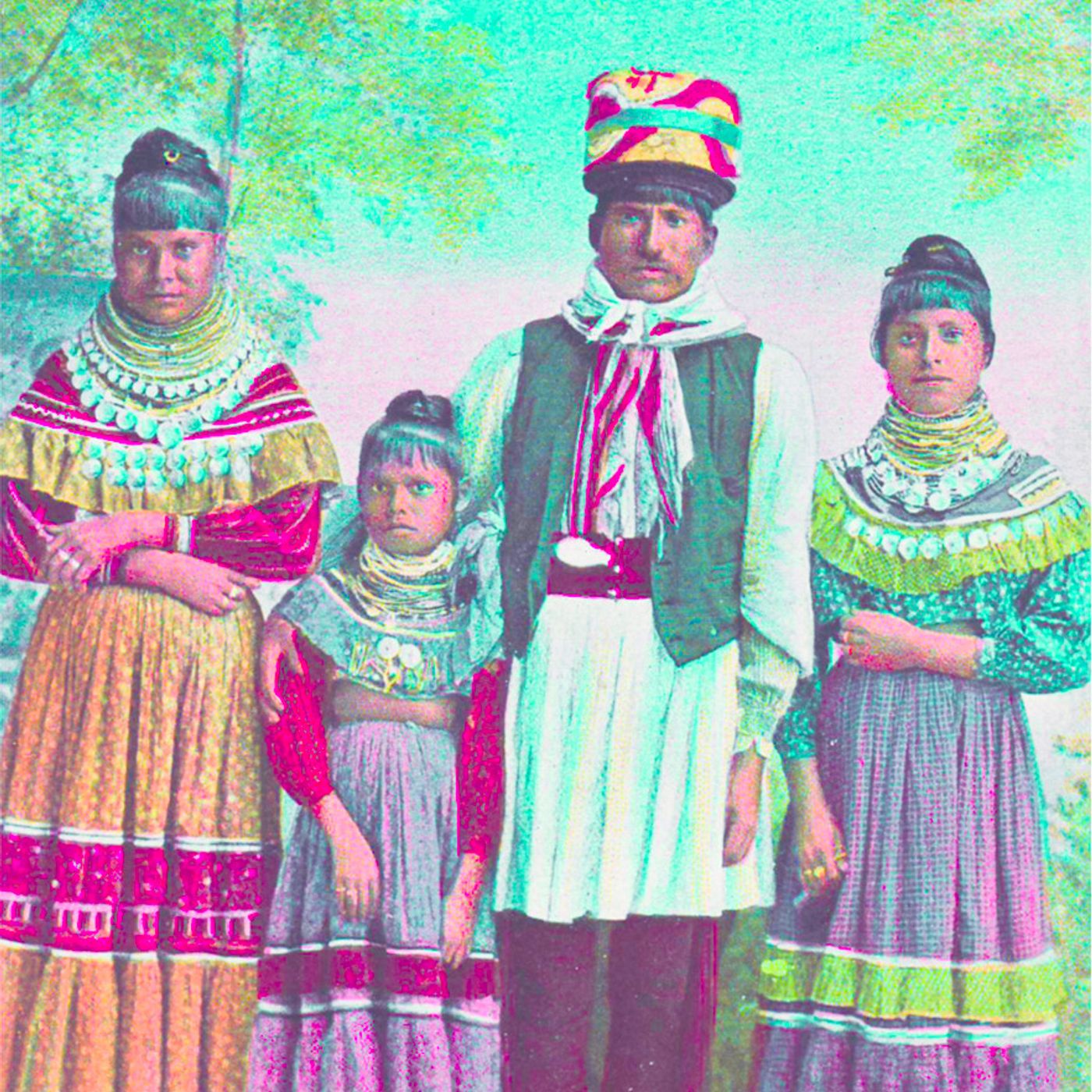
(5/11/2026) In this episode of Historically St. Pete, Rui Farias - executive director of the St. Petersburg Museum of History, talks about the history of one of Florida's indigenous people, the Seminole Indians. Here is his Brief History of the Seminole People in Florida. (Seen here, Billy Bowlegs and his three girls.) The Seminole people have been an important part of Florida history for more than 300 years. Their story of survival and success is remarkable, and their unique culture endures today.The ancestors of today’s Seminole people migrated to Florida in the 1700s andearly 1800s. These Indians came primarily from Alabama and Georgia, and althoughthey were simply known as “Creeks” to the British, they spoke different languages andlived in independent towns. Different bands of Creeks established towns in north Floridaand traded with both the British and Spanish. After 1765, all Florida Indians werereferred to as “Seminoles.” The name comes from the Spanish word cimarrón whichmeans “wild” or “runaway.” However, a more fitting interpretation may be “free.”The first half of the nineteenth century was tumultuous for Florida’s Seminoles.The U.S. military waged three wars against them; in fact, the Second Seminole Warresulted in the majority of Seminoles being removed to Indian Territory (present-dayOklahoma.) Less than 200 survivors retreated deep into the Everglades and the militaryended its hunt for them.The Seminoles lived in virtual isolation in and around the Everglades for manyyears. They lived in open-sided structures called chickees, which were adapted to theswampy environment. They survived by hunting, gathering wild foods, and growingcrops like corn, pumpkins, and potatoes. As white settlers began moving to southFlorida, they established trading posts. The Seminoles sold animal hides and pelts to thetraders and in turn bought cloth, guns, tools, and food staples. This way of life lasted into the twentieth century.The great influx of settlers and drainage of the Everglades hastened the end of thetrading post era. As a result, some Seminoles entered new tourist attractions in Miami.Seminole exhibition villages were a large part of the tourist scene in south Florida fromthe 1920s to the 1960s. At these villages, men wrestled alligators to the delight ofcrowds. Both men and women made crafts such as dolls, baskets, and carvings to sell tothe tourists. These seasonal jobs in the villages provided important income, and theexhibition nature of the attractions enabled some of the traditional ways to continue.Seminoles maintain involvement in Florida’s tourism industry today.A typical scene at tourist villages included women sewing colorful patchworkclothing. This colorful style of clothing is one of the most recognizable aspects ofSeminole culture today. Seminole women invented patchwork around 1917. To makepatchwork clothing, different colored strips of cloth are sewn together, then cut andreassembled to make rows of designs. The rows are sewn together horizontally to formthe garment. Hand-cranked sewing machines allowed women to experiment with manydesigns. Designs became more intricate over time. The Seminole people worepatchwork clothing, and sold it to tourists. Patchwork clothing is still part of theSeminoles’ traditional dress today.In the 1890s, the government attempted to address the question of where theSeminoles should live by setting aside parcels of land. These parcels eventually becamereservations. The first three established were Big Cypress, Dania (now Hollywood), andBrighton. The land was unimproved and there were no incentives for the people to move.The Civilian Conservation Corps-Indian Division, a program of the New Deal, employedSeminole men to build roads, fences, wells, and make other land improvements on thereservations. Seminoles slowly started moving onto the reservations in the late 1930s. Acattle program was also started at Brighton Reservation in 1936, and it is still a successstory today.In the early 1950s, Seminole leaders, to avoid being cut-off from governmentfunding, decided to organize as a federally-recognized sovereign tribe. The SeminoleTribe of Florida was recognized in August 1957. The Tribe operates under aConstitution, Bylaws, and Corporate Charter. Its governing body consists of an electedfive-member tribal council. An elected board of directors oversees the federally- chartered corporation, Seminole Tribe of Florida, Inc. The Tribe today hasapproximately 3,200 members. After many years of economic struggles, the Seminoles achieved their goal to beself-sufficient and not reliant on the federal government for money. Their sovereigntyallows the business ventures like casinos that permit them to be financially independent.In fact, the Seminole Tribe of Florida is one of the most successful Native Americantribes in the country, and it has paved the way for other tribes’ involvement in gaming.Importantly, because of their new-found wealth, the Tribe is able to provide for itsmembers, especially in health care, housing, employment, and education.The Seminole people of Florida have persevered despite the many social,political, and economic pressures brought against them. They have proven to besuccessful at adapting to new circumstances while still preserving important aspects oftheir culture.#ruifarias #historicallystpete #stpetersburgmuseumofhistory #seminoleindians #stpete #stpetefl #tampabay #radio #radiostpete #cityofstpete #dtsp #downtownstpete
Embed this episode
Ready to play
S2 Ep2016: HISTORICALLY ST. PETE St. Petersburg Museum of History Rui Farias: Seminole Indians
No transcript for this episode yet
Similar Episodes
No similar episodes found.
Similar Podcasts
No similar podcasts found.