
EPISODE · Jun 25, 2025 · 55 MIN
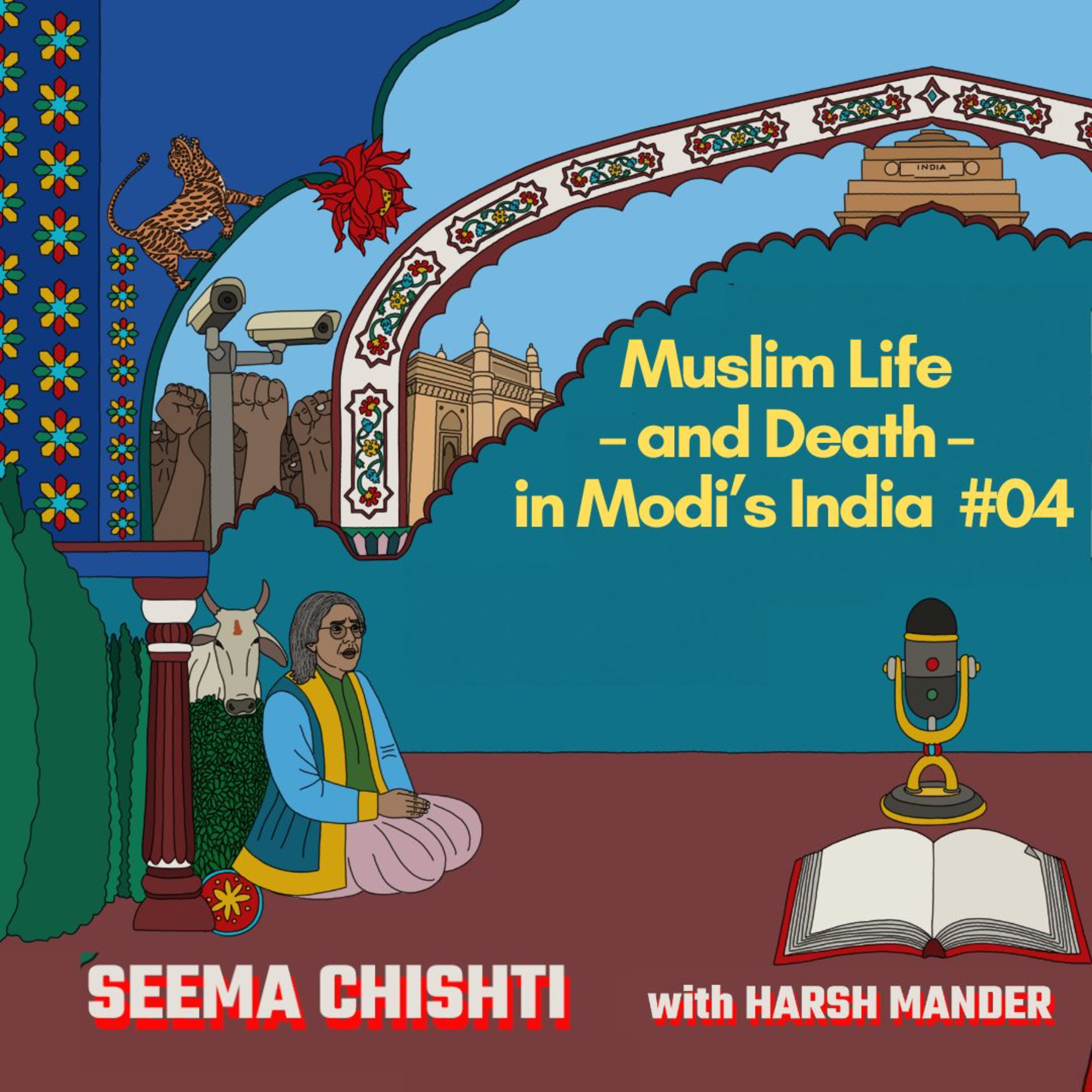
Seema Chishti & Harsh Mander on media-fuelled Islamophobia and the “love jihad” fallacy
from Himal Southasian Podcast Channel · host Himal Southasian Podcast Channel
Journalist Seema Chishti was covering events in Ayodhya when a right-wing Hindutva mob demolished the Babri Masjid, a 16th century mosque, in December 1992. In this episode, Chishti recounts the events of that day, the media's role in bearing witness to it and how the media in India has changed since then.From the pockets of resistance in the media during the Emergency in 1975, to its commercialisation from the 1990s onwards, to the overtly communal tones in large sections since 2014, Chishti traces the decline in standards of journalism in India. She explains how this has contributed to the othering of Muslims and the crisis they find themselves in today. Chisthi and Mander also discuss the mythology and misogyny of love jihad conspiracy theory and how it has been constructed to target Muslim men. You can also watch this episode on YouTube: https://youtu.be/TGYrO-DriuoGlossaryBabri Masjid: A 16th-century mosque in Ayodhya in India. A section of Hindus claim that the mosque was built at the site of the the birthplace of the HInu god Ram and that the Mughal emperor Babur destroyed a temple to build the mosque. On 6 December 1992, a mob of Hindutva activists demolished the mosque. It remained a disputed site for decades. In February 2024 when India’s prime minister Narendra Modi consecrated a new Ram temple at the same site. Kalyan Singh: A politician from the Bharatiya Janata Party and the chief minister of Uttar Pradesh where Ayodhya is situated when the Babri Masjid was brought down Tata: One of the oldest business houses and largest multinational conglomerates in IndiaNano: The Tatas planned to build the Nano – billed as the world’s cheapest car - in West Bengal. However, after violent protests over its acquisition of land for the project it had to shift to Gujarat where the project was facilitated by the chief minister at the time, Narendra Modi Ambani: The business family that runs Reliance Industries. Mukesh Ambani, the chairman of Reliance Industries, is India’s richest man and is seen to have a close relationship with Narendra ModiAdani: An industrial group led by Gautam Adani, one of the richest men in the world whose fortunes have soared since the BJP and Modi came to power in 2014. Adani has also been a vocal champion of Modi and his government Hanna Arendt: A German-Jewish political philosopher who was forced to leave Germany in 1933 and settled down in the United States. She is best known for her study of totalitarianism especially with regards to the Nazi and Stalinist regimes Ghuspetiya: The Hindi word for “intruder”. Modi and the home minister Amit Shah have used the word in thinly veiled references to MuslimsGodse: Nathuram Godse assassinated Mohandas Gandhi in 1948. Some right-wing groups celebrate Godse as a Hindutva iconRSS sarsangchalak: The supreme leader of the Rashtriya Swayamsevak Sangh, which is the organisational and ideological parent of the BJPHimal Southasian is Southasia’s first and only regional news and analysis magazine. Stretching from Afghanistan to Burma, from Tibet to the Maldives, this region of more than 1.4 billion people shares great swathes of interlocking geography, culture and history. Yet today neighbouring countries can barely talk to one another, much less speak in a common voice. For three decades, Himal Southasian has strived to define, nurture, and amplify that voice. Read more: https://www.himalmag.com/Support our independent journalism and become a Patron of Himal: https://www.himalmag.com/support-himalFind us on: https://twitter.com/Himalistanhttps://www.facebook.com/himal.southasianhttps://www.instagram.com/himalistan/
Embed this episode
NOW PLAYING
Seema Chishti & Harsh Mander on media-fuelled Islamophobia and the “love jihad” fallacy
No transcript for this episode yet
Similar Episodes
No similar episodes found.
Similar Podcasts
No similar podcasts found.