
EPISODE · Sep 25, 2023 · 12 MIN
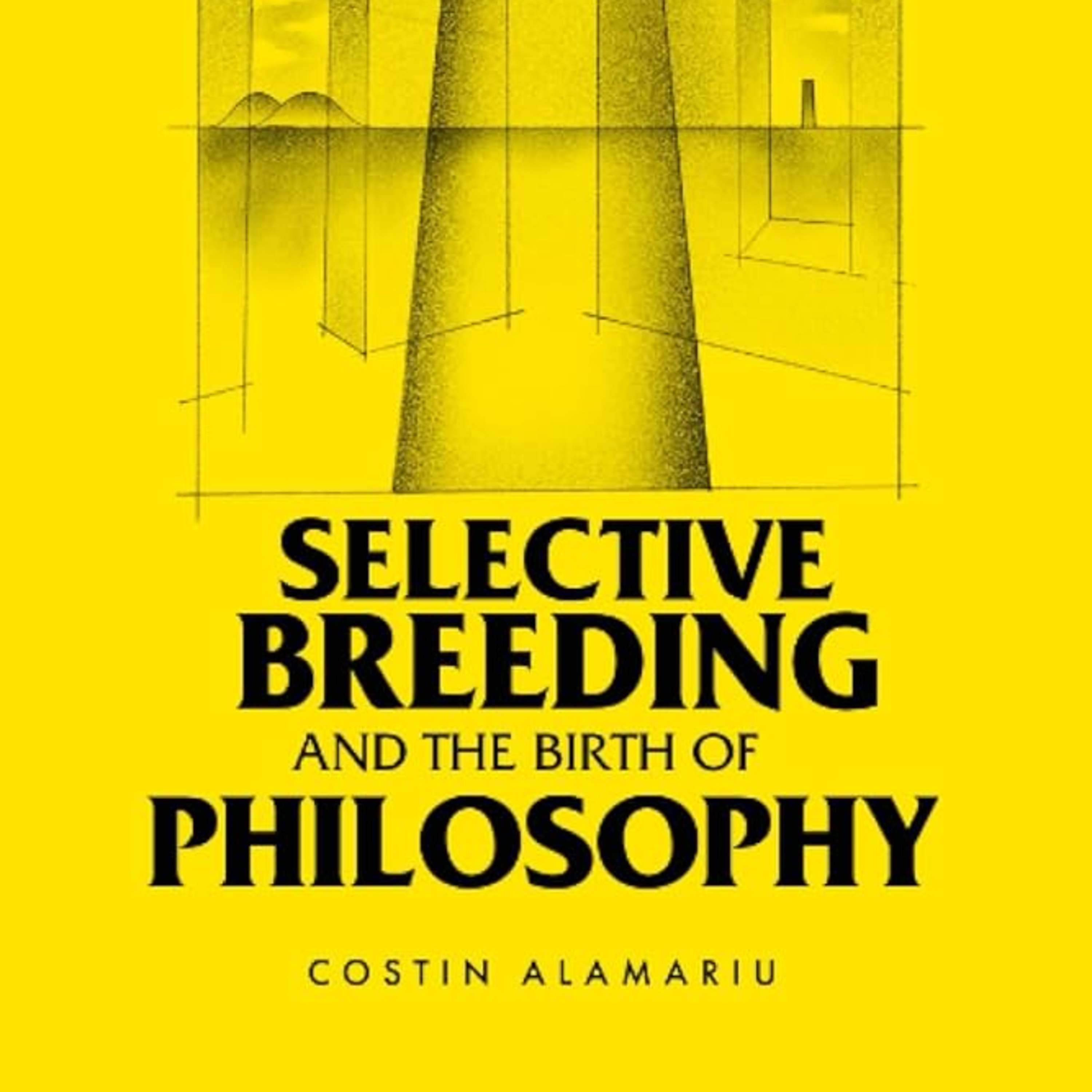
SELECTIVE BREEDING and the Birth of PHILOSOPHY, by Costin Alamariu - Preface
from Catholic Mafia · host WRECKONING
This is a thesis about Nietzsche. My obsession with Nietzsche started when I was sixteen years old. Inspired by Nietzsche, I went back to Homer and to Plato and read them through Nietzsche’s provocations. These provocations also inspired me to learn Greek. I would guess I thought through the ideas behind this thesis around the time I was twenty-two years old. The fundamental problem that motivated me then as it does now: what is life as opposed to death, and what is life as full of life, as opposed to life as diminished life. ... While it would greatly amuse me to claim now that I learned all my naughty ideas from my advisors, and that there is a secret Straussian finishing school for people like me of unusual persuasion, I think even they don’t deserve this. I’ve learned everything I care about on my own and certainly not from any professors. It’s not arrogant of me to say this, but the truth. ... They enjoy the notoriety and the implication that they must be very powerful operators, or Machiavellian eminences-grises. This is much better than the thought that they are an ineffectual ladies’ reading group. They are so powerful that they’ve been almost completely eliminated from the few positions they once held at prominent universities. Other Straussians deny these claims but engage in a different outlandish self-flattery where they view themselves as preservers of classical philosophy and the light of freedom of thought, republican moderation, and so on...and other pieties of this kind. None of these things are true. ... Critias, Socrates’ student, was the Hitler of the ancient Greek world. He and his friends established a regime based on atheistic biologism so to speak; on “Sparta radicalized,” a eugenic antinomian dictatorship. He was maybe what Hitler’s most hysterical detractors claim of him today. Critias killed more Athenians in his short rule than died in the decades of the war with Sparta. He expelled almost everyone from the city, and burned the docks, which were the perceived source of democratic power. He wasted all the priests of Eleusis for being tedious religious moralists. He saw the purpose of the Spartan constitution as the creation of one “supreme biological specimen,” and Critias sought to found a state based on such ideas. He and his friends were overthrown quite quickly. ... dysgenics as opposed to eugenics combined with modern technology --another product of Socratic-Alexandrian scientific civilization--leads to mechanized and universalized dysgenics. I am trying to explain some of the implications of the work of Nietzsche for a world in which he is still the only prophet, and will remain so for some centuries.
Embed this episode
NOW PLAYING
SELECTIVE BREEDING and the Birth of PHILOSOPHY, by Costin Alamariu - Preface
No transcript for this episode yet
Similar Episodes
No similar episodes found.
Similar Podcasts
No similar podcasts found.