
EPISODE · Aug 7, 2025 · 18 MIN
Serving dual eligibles can be profitable home care business line, strategy leader posits
from McKnight's Podcast · host Jeremy Wiltz, Liza Berger
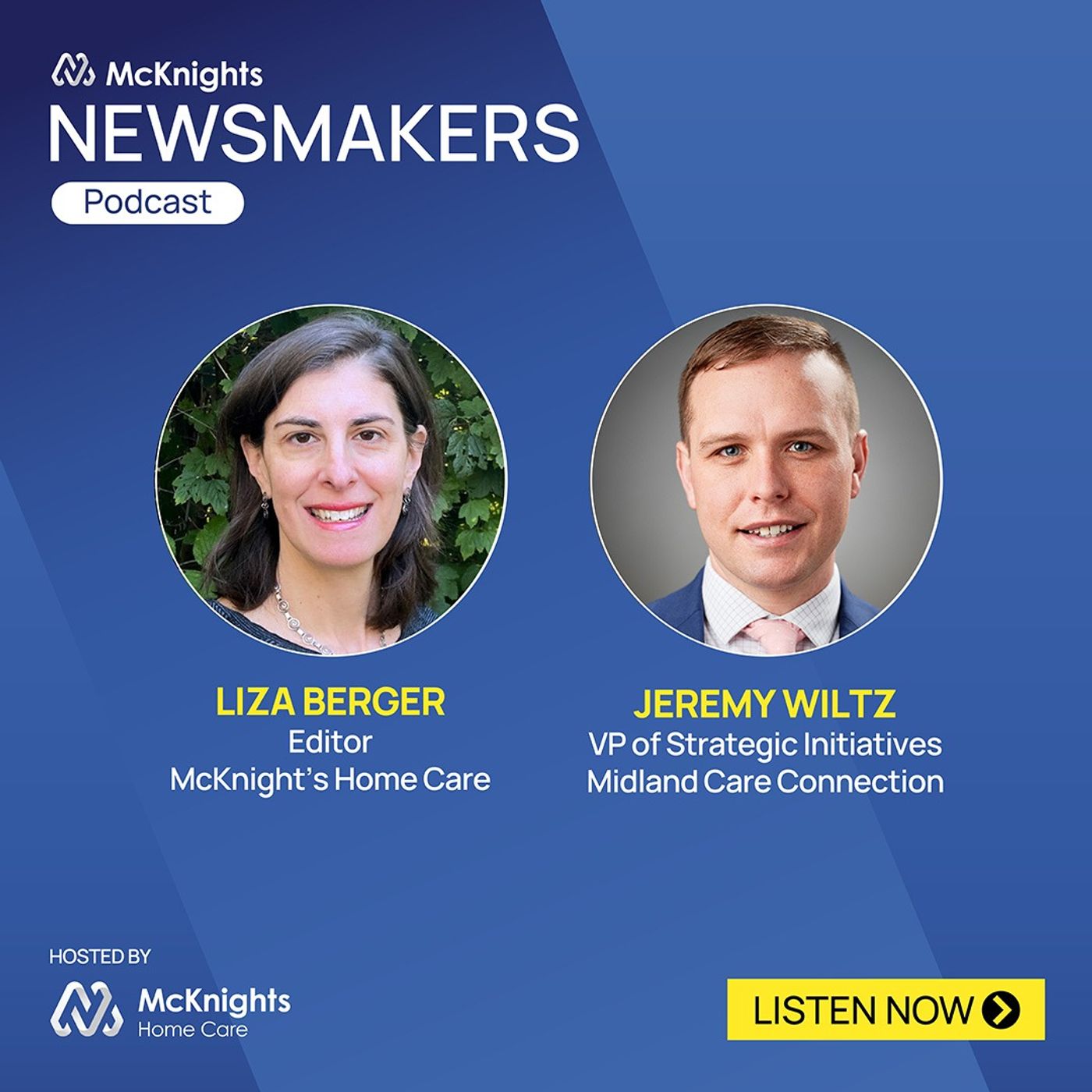
Midland Care Connection, a nonprofit in Topeka, KS, offers the spectrum of senior care to people over 55 in 40 counties in Kansas and Missouri. Its services include home health, hospice, palliative care and the Program of All-Inclusive Care for the Elderly (PACE). It also is the owner of an Accountable Care Organization. Dual eligibles make up about 85-90% of Midland Care’s PACE clients. PACE, which provides a range of services to keep people in their homes and out of nursing homes, helps to improve the quality of life and lower healthcare costs of dual eligibles within the first 90 days, Wiltz said. Preventive care, he emphasized, is the key to treating this group. One of the biggest changes that has taken place since the organization started PACE in 2007 has been Kansas’ growing understanding and acceptance of PACE. This bodes well with the recent passage of the One Big Beautiful Bill Act, which contained federal Medicaid reductions. Midland Care’s diversified revenue streams also help to shoulder the organization from Medicare home health and Medicaid reimbursement cuts. With the continuing reductions to home health payment, Wiltz believes home health is reaching a crisis point. Agencies are going to have to pivot away from Medicare fee-for-service and move to models such as Medicare Advantage’s Dual Eligible Special Needs Plans (D-SNPs).Follow us on social media:X: @McKHomeCareFacebook: McKnight's Home CareLinkedIn: McKnight's Home CareInstagram: mcknights_homecareFollow Midland Care Connection on social media:X: @MidlandCaresFacebook: Midland Care Connection, Inc.Show contributors:McKnight’s Home Care Editor Liza Berger; Jeremy Wiltz, Vice President of Strategic Initiatives, Midland Care Connection Hosted by Simplecast, an AdsWizz company. See pcm.adswizz.com for information about our collection and use of personal data for advertising.
Embed this episode
What this episode covers
Dual eligibles — beneficiaries who receive both Medicare and Medicaid — are among the sickest and most expensive patients in the healthcare system. But take care of them properly — with preventive care and wrap-around services such as transportation and regular physician care — and they present a valuable business proposition for certain home care providers. This is according to Jeremy Wiltz, vice president of strategic initiatives for Midland Care Connection, an integrated community care delivery system in Topeka, KS, that serves many dual eligibles through its home health and Program of All-Inclusive Care for the Elderly (PACE). Wiltz talked to McKnight’s Home Care for a Newsmakers podcast.
NOW PLAYING
Serving dual eligibles can be profitable home care business line, strategy leader posits
No transcript for this episode yet
Similar Episodes
Nov 28, 2025 ·63m
Similar Podcasts
No similar podcasts found.