
EPISODE · Sep 4, 2026 · 37 MIN
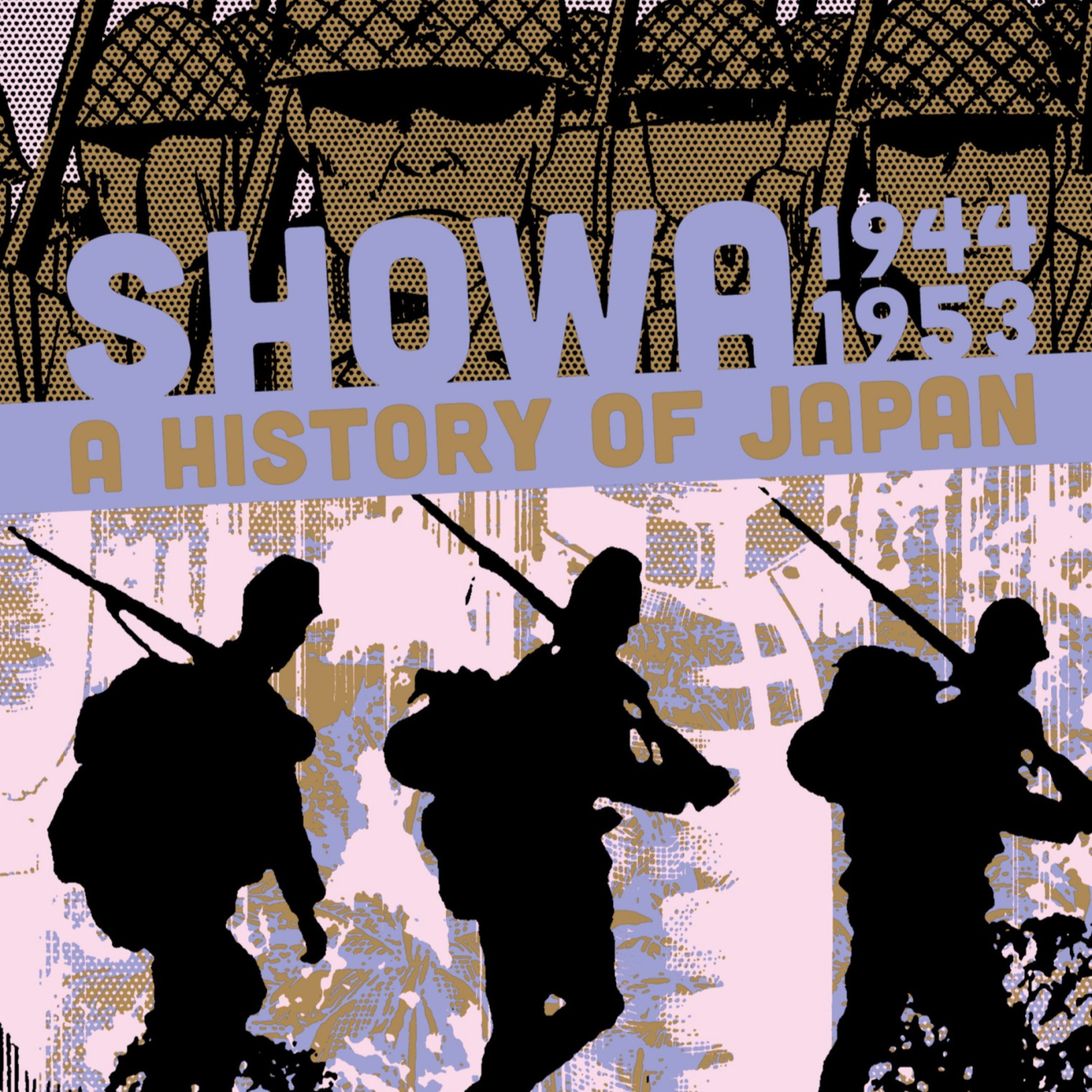
Showa 1944–1953: A History of Japan — When Strategy Stops Correcting Itself
from Crisis in Perception · host Crisis in Perception
What happens when an institution becomes better at defending a failing strategy than correcting it?Welcome to Crisis in Perception, where we examine the systems shaping our world.Using Showa 1944–1953: A History of Japan by Shigeru Mizuki as our lens, this Deep Dive examines the collapse of Japanese military strategy through the gap between decisions made at the top and conditions experienced by soldiers on the ground.Mizuki’s treatment of the Imphal Campaign makes that gap brutally visible. Japanese forces entered an offensive shaped by confidence in determination and decisive action, but inadequate supply lines, difficult terrain, Allied air superiority, disease, hunger, and exhaustion increasingly undermined the assumptions behind the plan. As the situation deteriorated, commanders who questioned the operation confronted a hierarchy in which retreat and disobedience carried their own institutional costs.The deeper system involves error correction. Large organizations depend on accurate information moving upward, leaders being able to revise assumptions, and incentives that reward adaptation rather than merely persistence. Mizuki shows what can happen when prestige, hierarchy, obedience, propaganda, and prior commitment make changing course progressively more difficult.His own wartime experiences reinforce the point from below. Strategy may appear coherent on maps and in official language while the people executing it encounter hunger, illness, fear, physical exhaustion, and the ordinary struggle to survive.The episode also follows these dynamics into the wider Pacific War, where industrial capacity, logistics, air power, technological adaptation, and increasingly desperate military responses exposed the widening distance between Japan’s strategic expectations and changing material reality.Central systems and tensions include institutional error correction, military hierarchy, logistics, information flow, sunk commitments, prestige protection, obedience versus adaptation, and the difference between determination and learning.📺 Watch on YouTube:https://youtu.be/TNvDOE4QFsY❤️ Support / Episode Post on Patreon:https://www.patreon.com/CrisisinPerception/posts/showa-1944-1953-168624368?utm_medium=clipboard_copy&utm_source=copyLink&utm_campaign=postshare_creator&utm_content=join_linkIf these ideas resonate, consider reading the work yourself or borrowing it from your local library. Supporting authors and libraries helps keep critical inquiry accessible.If you value systems-level analysis like this, please follow, rate, and share the project.This content was created using AI-assisted tools for research synthesis, structuring, and narration support. All analysis, framing, and editorial decisions are guided by human judgment as part of the Crisis in Perception project.
Embed this episode
Ready to play
Showa 1944–1953: A History of Japan — When Strategy Stops Correcting Itself
No transcript for this episode yet
Similar Episodes
No similar episodes found.
Similar Podcasts
No similar podcasts found.