
EPISODE · Aug 30, 2026 · 42 MIN
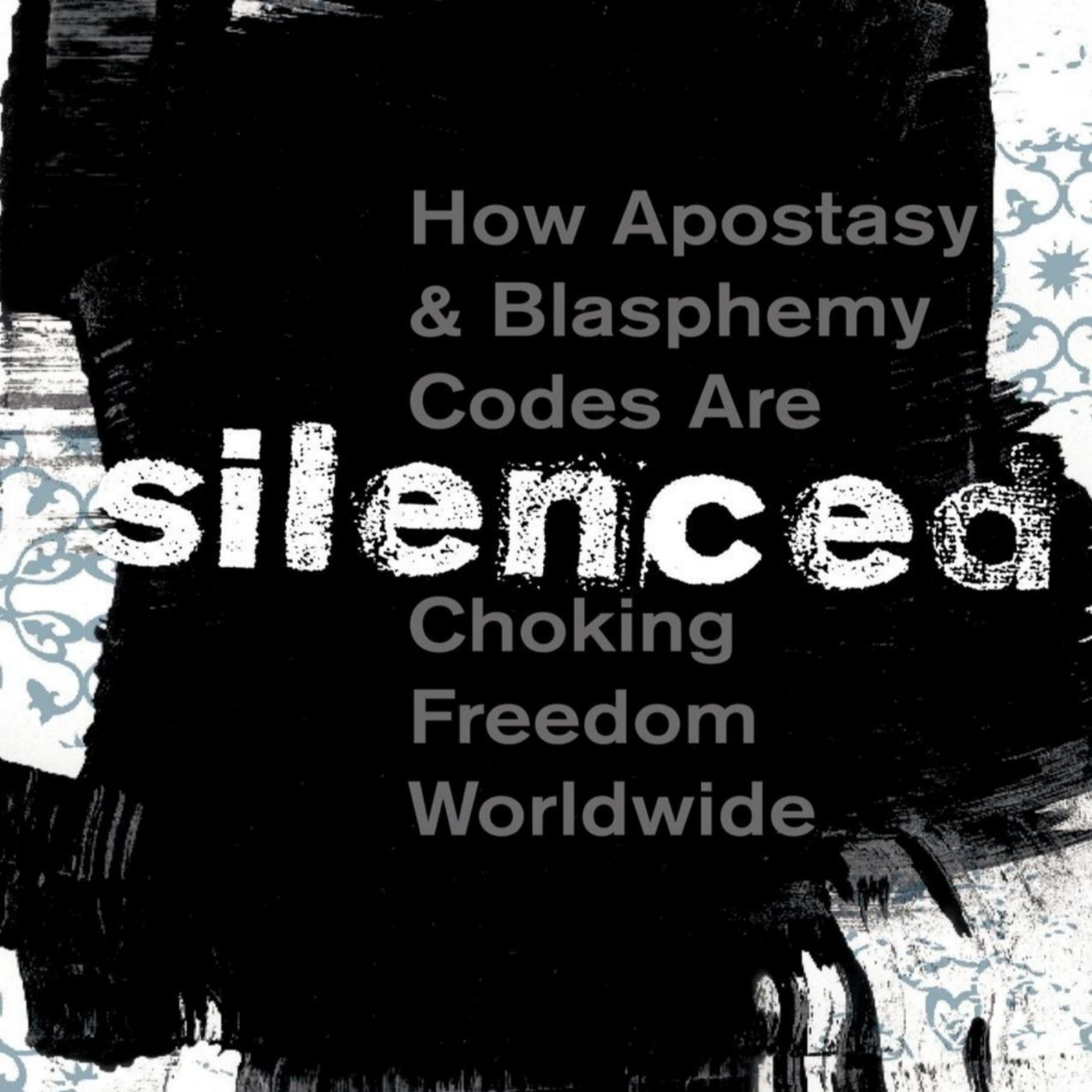
Silenced: How Apostasy and Blasphemy Codes Are Choking Freedom Worldwide — Who Controls Belief?
from Crisis in Perception · host Crisis in Perception
What happens when protecting the sacred also gives institutions the authority to decide which beliefs may be questioned?Welcome to Crisis in Perception, where we examine the systems shaping our world.Using Silenced: How Apostasy and Blasphemy Codes Are Choking Freedom Worldwide by Paul Marshall and Nina Shea as our lens, this Deep Dive investigates how restrictions on apostasy, blasphemy, heresy, and religious insult can become mechanisms for regulating dissent, religious conformity, political criticism, and public debate.Drawing primarily on developments documented through 2011, Marshall and Shea survey cases across numerous Muslim-majority countries in which vague or discretionary restrictions affected religious minorities, converts, scholars, journalists, dissidents, and Muslim reformers. Their central concern is structural: when governments, courts, religious authorities, or social movements possess broad power to define prohibited expression, uncertainty itself can influence behavior long before formal punishment occurs.The investigation then follows that mechanism beyond national borders. The authors examine the Salman Rushdie affair, controversies surrounding the Danish cartoons, Western hate-speech law, intimidation and self-censorship, and efforts within international institutions to move from protecting individuals against discrimination toward protecting religions from perceived defamation.An important counterpoint comes from Muslim thinkers within the book itself. Abdurrahman Wahid, Nasr Hamid Abu-Zayd, and Abdullah Saeed challenge the assumption that temporal punishment for apostasy or blasphemy is an unavoidable requirement of Islam, revealing an internal struggle over interpretation, political authority, religious freedom, and the capacity for reform.At the center of the episode are ambiguous rules, discretionary enforcement, institutional legitimacy, chilling effects, self-censorship, religious authority, political power, and the tension between protecting people from genuine harm and protecting ideas from criticism.📺 Watch on YouTube:https://youtu.be/Bvz9MsZT0Io❤️ Support / Episode Post on Patreon:https://www.patreon.com/CrisisinPerception/posts/silenced-how-and-168078261?utm_medium=clipboard_copy&utm_source=copyLink&utm_campaign=postshare_creator&utm_content=join_linkIf these ideas resonate, consider reading the work yourself or borrowing it from your local library. Supporting authors and libraries helps keep critical inquiry accessible.If you value systems-level analysis like this, please follow, rate, and share the project.This content was created using AI-assisted tools for research synthesis, structuring, and narration support. All analysis, framing, and editorial decisions are guided by human judgment as part of the Crisis in Perception project.
Embed this episode
Ready to play
Silenced: How Apostasy and Blasphemy Codes Are Choking Freedom Worldwide — Who Controls Belief?
No transcript for this episode yet
Similar Episodes
No similar episodes found.
Similar Podcasts
No similar podcasts found.