
EPISODE · Jul 2, 2026 · 48 MIN
SpaceX Can Drop Tungsten Telephone Poles from Orbit. Who Controls That Power?
from Hardpoints · host VALOR Media Network
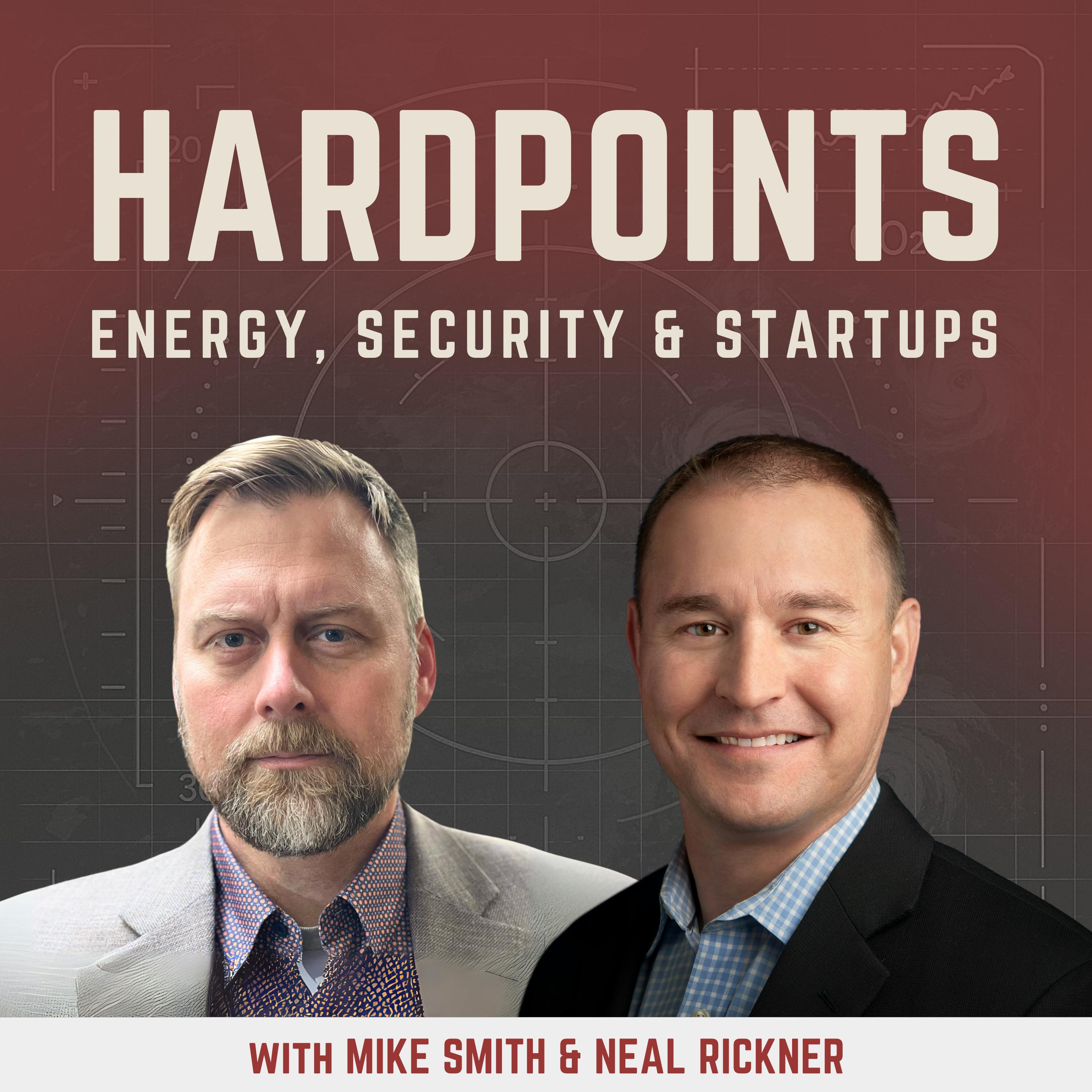
Getting one kilogram to low Earth orbit cost $54,000 on the Space Shuttle. Falcon 9 brought it to roughly $2,500. Starship targets under $200. That 500x reduction is not a footnote to the SpaceX IPO story. It is the story. Mike and Neal work through what that number actually unlocks. Orbital kinetic bombardment, the "rods from God" concept, has existed on paper for decades: tungsten telephone poles deorbited from a satellite platform, no explosives, traveling at Mach 10, with the penetrating force of a small nuclear weapon. The only thing that made it impractical was cost. Starship changes that math. The same cost curve that makes Starlink's satellite mesh possible also makes a space-based Golden Dome more technically believable than it was six months ago, and puts genuinely new offensive capability within reach of whoever controls the platform. That last part is the problem. SpaceX just raised $75 billion on a $1.7 trillion valuation with roughly 4 to 5 percent of equity held by the public and 82 to 85 percent of voting power held by one person. The SEC changed its own listing rules to allow it. The same person previously threatened to cut Starlink access to Ukraine mid-war. Mike walks through the governance failures in detail, from security clearance standards to the complete absence of checks on erratic behavior, and asks what it means for national security to be sole-sourced to a privately controlled company with no one telling the founder no. The conversation also covers why the launch business itself is structurally underpriced, what reusable rockets actually changed about the economics of getting mass to orbit, and why the closest private sector competitor just blew up on the launch pad and is probably a decade behind. Goods, bads, and others: Mike breaks down Ukraine's drone point system, where operators earn credits toward better hardware by hitting higher-value targets, turning battlefield incentives into something closer to a flat startup org chart. He also flags Europe's record-breaking heat dome and what it means that the continent with no air conditioning is now the fastest-warming on earth. Neal is fully captured by World Cup ceremony despite not watching soccer, calls out the Iran outcome plainly as getting nothing for the cost, and shares a Ukrainian drone warfare officer's message at Euro Satory: stop building tanks. Got a take? Email us: [email protected] Follow Hardpoints wherever you get your podcasts.
Embed this episode
NOW PLAYING
SpaceX Can Drop Tungsten Telephone Poles from Orbit. Who Controls That Power?
No transcript for this episode yet
Similar Episodes
No similar episodes found.
Similar Podcasts
No similar podcasts found.