
EPISODE · Aug 15, 2021 · 40 MIN
Stanford Prison Experiment, 50 Years On: What Have We Really Learnt? With Dr Philip Zimbardo
from Behavioral Grooves Podcast · host Kurt Nelson, PhD and Tim Houlihan
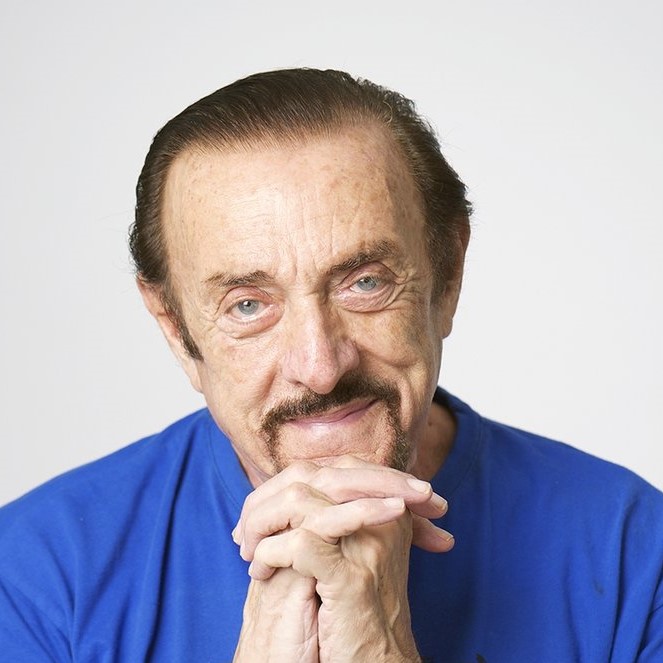
The Stanford Prison Experiment has been the topic of movies, newspaper articles, textbooks and TV shows. Extensively published controversy has surrounded the social psychology experiment ever since it was conducted in 1971. Now on the 50th Anniversary, we invite you to listen to a very unique interview with the man who orchestrated it all; Dr Philip Zimbardo PhD. Was the Stanford Prison Experiment designed to measure the corruption of power? Were participants influenced by the context of the experiment itself and pressured into performing a role? How exactly did the environment influence the behavior of the participants, including Dr Philip Zimbardo himself? As he quotes; “a bad barrel can take a good apple, and make it bad”. At Stanford University in 1971, influenced by the work of his friend Stanley Milgram, Philip Zimbardo assembled a mock prison in the basement of the university and used male student volunteers to become the guards and prisoners. What unfolded in the coming days surprised even Philip Zimbardo. What is less known about Philip Zimbardo is that he has since done extensive research on shyness, cult behavior, time perception, and more recently on heroism. According to him, we are all “heroes in waiting”, and he has founded the Heroic Imagination Project to help cultivate the heroes among us. Our discussion with Dr Z (as he asked us to call him!) weaves through an enlightening reflection on his upbringing, the influence of his family and peers, and his transition into academia. Kurt and Tim intercept the conversation throughout to provide explanation and insights. And we end with how Dr Z’s work can influence our behavior now. What can we really learn from the Stanford Prison Experiment? And how can we all become a hero in waiting? Topics (2:59) Introducing Dr. Philip Zimbardo. (4:30) Dr Z’s upbringing in the Bronx. (6:40) The significance of Dr Z’s classmates at James Monroe High School. (11:06) How racism influenced Dr Z’s application to Yale. (16:18) How Dr Z started the Stanford Prison Experiment. (19:05) What Dr Z was trying to understand from the experiment. (20:04) What went wrong. (21:59) How abusive guard David Eshelman explained his behavior. (23:10) Controversy around the experiment and why it ended early. (27:07) Chip Frederick’s abusive behavior at Abu Ghraib prison during the Iraqi War. (30:15) If you can cultivate evil behavior, can you also cultivate heroic behavior? (33:36) The 4 steps to becoming a "Hero in Training". (35:14) Dr Z’s offer to help with police brutality in the US. (37:04) Takeaways: how to be aware and intentional with our behavior. We look forward to welcoming you back next week for more about why context matters with esteemed Yale social psychologist, Dr John Bargh PhD. Please consider donating to our podcast work through Patreon (https://www.patreon.com/behavioralgrooves). We also love hearing from our listeners, please leave us a podcast review or reach out to us on Twitter: Kurt Nelson @motivationguru Tim Houlihan @THoulihan Mary Kaliff @BeSciMary © 2021 Behavioral Grooves Links Stanley Milgram: https://en.wikipedia.org/wiki/Stanley_Milgram Solomon Asch - Conformity Experiment: https://www.simplypsychology.org/asch-conformity.html Charlie Parker “All The Things You Are”: https://www.youtube.com/watch?v=UTORd2Y_X6U Episode 76: Nurit Nobel: De-Biasing the Recruiting Process: https://behavioralgrooves.com/episode/nurit-nobel-de-biasing-the-recruiting-process/ Chip Frederick: https://www.theguardian.com/world/2004/oct/22/usa.iraq Heroic Imagination Project: https://www.heroicimagination.org/
Embed this episode
What this episode covers
Movies, newspaper articles, textbooks and TV shows; social psychology controversy has surrounded the Stanford Prison Experiment ever since it was conducted in 1971. Now on the 50th Anniversary, listen to our unique interview with the man who orchestrated it; Dr Philip Zimbardo PhD. Was the experiment designed to measure the corruption of power? Or were participants influenced by the context of the experiment itself and pressured into performing a role? How exactly did the environment influence the behavior of the participants, including Dr Philip Zimbardo himself?
NOW PLAYING
Stanford Prison Experiment, 50 Years On: What Have We Really Learnt? With Dr Philip Zimbardo
No transcript for this episode yet
Similar Episodes
No similar episodes found.
Similar Podcasts
No similar podcasts found.