
EPISODE · Jun 7, 2025 · 1H 45M
Starts With A Bang #118 - Snowball Earth
from Starts With A Bang podcast · host Ethan Siegel
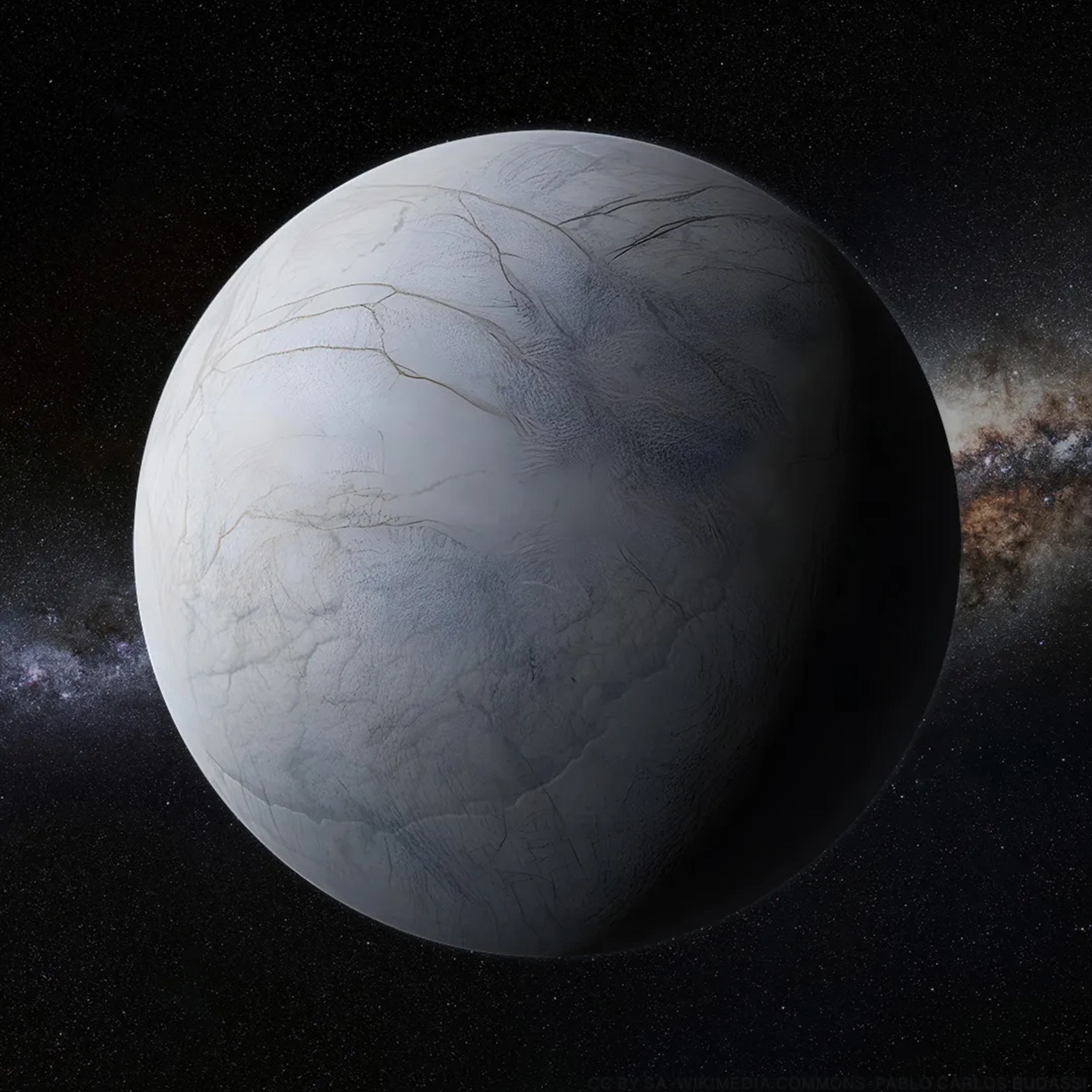
When we search for life in the Universe, it makes sense to look for planets that are similar to Earth. To most of us, those signatures would look the same as the ones we'd see if we viewed our planet today: blue oceans, green-and-brown continents, polar icecaps, wispy white clouds, an atmosphere dominated by nitrogen and oxygen, and even the modern signs of human activity, such as increasing greenhouse gas emissions, planet modification, and electromagnetic signatures that belie our presence.But for most of our planet's history, Earth was just as "inhabited" as it is today, even though it looked very different. One fascinating period in Earth's history that lasted approximately 300 million years resulted in a planet that looked extremely different from modern Earth: a Snowball Earth period, where the entire surface, from the poles to the equator, was completely covered in snow and ice. This isn't just speculation, but is backed up by a remarkable, large suite of observational and geological evidence.So what was Earth like during this period? How did it fall into this phase, how did it remain trapped in that state for so long, and how did it finally thaw again? To help explore this topic, I'm so pleased to welcome PhD candidate Alia Wofford to the program, who conducts intricate climate models of early Earth to try to reproduce those early conditions. From that work, we're learning about what we should be looking for when it comes to potentially inhabited exoplanets, because Earth has been inhabited for around 4 billion years, and wow, has its appearance changed over all that time. Have a listen and see for yourself!(This illustration shows a frozen-over planet, but one that still possesses a significant liquid ocean beneath the surface ice. Many worlds in our Solar System may be described by this scenario at various points in cosmic history, including even planet Earth more than two billion years ago. Credit: Pablo Carlos Budassi/Wikimedia Commons)
What this episode covers
When we search for life in the Universe, it makes sense to look for planets that are similar to Earth. To most of us, those signatures would look the same as the ones we'd see if we viewed our planet today: blue oceans, green-and-brown continents, polar icecaps, wispy white clouds, an atmosphere dominated by nitrogen and oxygen, and even the modern signs of human activity, such as increasing greenhouse gas emissions, planet modification, and electromagnetic signatures that belie our presence.But for most of our planet's history, Earth was just as "inhabited" as it is today, even though it looked very different. One fascinating period in Earth's history that lasted approximately 300 million years resulted in a planet that looked extremely different from modern Earth: a Snowball Earth period, where the entire surface, from the poles to the equator, was completely covered in snow and ice. This isn't just speculation, but is backed up by a remarkable, large suite of observational and geological evidence.So what was Earth like during this period? How did it fall into this phase, how did it remain trapped in that state for so long, and how did it finally thaw again? To help explore this topic, I'm so pleased to welcome PhD candidate Alia Wofford to the program, who conducts intricate climate models of early Earth to try to reproduce those early conditions. From that work, we're learning about what we should be looking for when it comes to potentially inhabited exoplanets, because Earth has been inhabited for around 4 billion years, and wow, has its appearance changed over all that time. Have a listen and see for yourself!(This illustration shows a frozen-over planet, but one that still possesses a significant liquid ocean beneath the surface ice. Many worlds in our Solar System may be described by this scenario at various points in cosmic history, including even planet Earth more than two billion years ago. Credit: Pablo Carlos Budassi/Wikimedia Commons)
NOW PLAYING
Starts With A Bang #118 - Snowball Earth
No transcript for this episode yet
Similar Episodes
Mar 26, 2026 ·1m
Jan 2, 2026 ·47m
Dec 21, 2025 ·46m