
EPISODE · Mar 7, 2026 · 1H 43M
Starts With A Bang #127 - Satellites and space pollution
from Starts With A Bang podcast · host Ethan Siegel
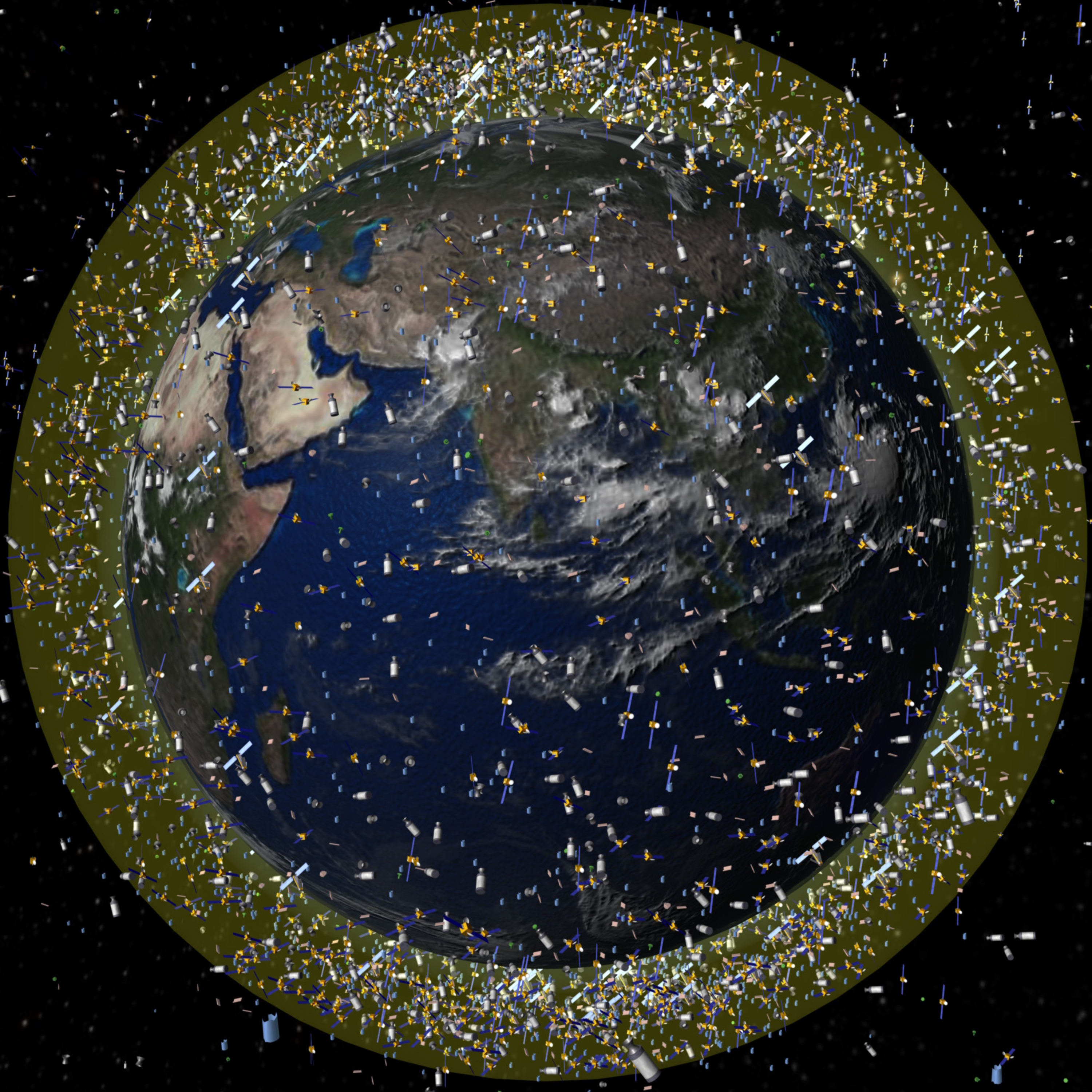
When most of us were children, and we went to a rural area with clear skies overhead at night, we were all greeted by the same familiar sight: a dark night sky, glittering with many hundreds or even thousands of stars. Depending on how dark your sky was, you could spot up to 6000 stars at once, as well as deep-sky objects, the plane of the Milky Way, and only the rare, occasional satellite streak. As time went on, more and more satellites were launched, bringing us up to around 2000 active satellites as of 2019.And then we entered the era of satellite megaconstellations, beginning with the launch of the first Starlink satellites. Now, nearly 7 full years later, there are over 17,000 active and defunct satellite payloads in orbit, with approximately 100 times as many satellites proposed in the coming years. From satellite communications to direct-to-phone links to the proposition of AI data centers in space, the number of proposed use cases has exploded. However, as the environment around Earth becomes more crowded, the risks, the harms, and the potential for disaster all grow evermore severe, with woefully insufficient (or, sometimes, no) mitigation measures in place.Is this a cause for despair? Or could this be our finest hour in terms of combatting these new forms of pollution. I've brought expert Dr. Meredith Rawls onto the podcast this episode to discuss satellites and space pollution, and the conversation ranges from thoughtful to passionate to pessimistic to hopeful many times over. Have a listen; you don't want to be underinformed about this one!Helpful links:IAU's center for the protection of dark and quiet skies: https://cps.iau.org/NRAO/VLA's paper on radio telescope operations coordinating with satellite providers: https://arxiv.org/abs/2502.15068v1Vera C. Rubin's public alerts stream: https://rubinobservatory.org/news/first-alertsAn article on Rocket plumes: https://www.nature.com/articles/s43247-025-03154-8Meredith's Nature News and Views piece regarding streaks in space telescopes: https://www.nature.com/articles/d41586-025-03725-x The latest on the CRASH clock: https://outerspaceinstitute.ca/crashclock/Astronomers argue for astronomy on the ground and in space: https://spacenews.com/the-future-of-astronomy-is-both-on-earth-and-in-space/ and Yvette Cendes's previous appearance on the SWAB podcast: https://soundcloud.com/ethan-siegel-172073460/starts-with-a-bang-77-stellar-destruction and https://open.spotify.com/episode/4xnBB0Ma4SzHk8ulziOidk(The illustration shows all tracked objects in space as of 2025, as shown by the European Space Agency. The size of the objects, including intact satellites as well as space debris, is greatly exaggerated, but the number of objects shown is actually far less than the number of objects in space now in 2026, just one year later. Credit: European Space Agency)
What this episode covers
When most of us were children, and we went to a rural area with clear skies overhead at night, we were all greeted by the same familiar sight: a dark night sky, glittering with many hundreds or even thousands of stars. Depending on how dark your sky was, you could spot up to 6000 stars at once, as well as deep-sky objects, the plane of the Milky Way, and only the rare, occasional satellite streak. As time went on, more and more satellites were launched, bringing us up to around 2000 active satellites as of 2019.And then we entered the era of satellite megaconstellations, beginning with the launch of the first Starlink satellites. Now, nearly 7 full years later, there are over 17,000 active and defunct satellite payloads in orbit, with approximately 100 times as many satellites proposed in the coming years. From satellite communications to direct-to-phone links to the proposition of AI data centers in space, the number of proposed use cases has exploded. However, as the environment around Earth becomes more crowded, the risks, the harms, and the potential for disaster all grow evermore severe, with woefully insufficient (or, sometimes, no) mitigation measures in place.Is this a cause for despair? Or could this be our finest hour in terms of combatting these new forms of pollution. I've brought expert Dr. Meredith Rawls onto the podcast this episode to discuss satellites and space pollution, and the conversation ranges from thoughtful to passionate to pessimistic to hopeful many times over. Have a listen; you don't want to be underinformed about this one!Helpful links:IAU's center for the protection of dark and quiet skies: https://cps.iau.org/NRAO/VLA's paper on radio telescope operations coordinating with satellite providers: https://arxiv.org/abs/2502.15068v1Vera C. Rubin's public alerts stream: https://rubinobservatory.org/news/first-alertsAn article on Rocket plumes: https://www.nature.com/articles/s43247-025-03154-8Meredith's Nature News and Views piece regarding streaks in space telescopes: https://www.nature.com/articles/d41586-025-03725-x The latest on the CRASH clock: https://outerspaceinstitute.ca/crashclock/Astronomers argue for astronomy on the ground and in space: https://spacenews.com/the-future-of-astronomy-is-both-on-earth-and-in-space/ and Yvette Cendes's previous appearance on the SWAB podcast: https://soundcloud.com/ethan-siegel-172073460/starts-with-a-bang-77-stellar-destruction and https://open.spotify.com/episode/4xnBB0Ma4SzHk8ulziOidk(The illustration shows all tracked objects in space as of 2025, as shown by the European Space Agency. The size of the objects, including intact satellites as well as space debris, is greatly exaggerated, but the number of objects shown is actually far less than the number of objects in space now in 2026, just one year later. Credit: European Space Agency)
NOW PLAYING
Starts With A Bang #127 - Satellites and space pollution
No transcript for this episode yet
Similar Episodes
Mar 26, 2026 ·1m
Jan 2, 2026 ·47m
Dec 21, 2025 ·46m