
EPISODE · Apr 16, 2026 · 34 MIN
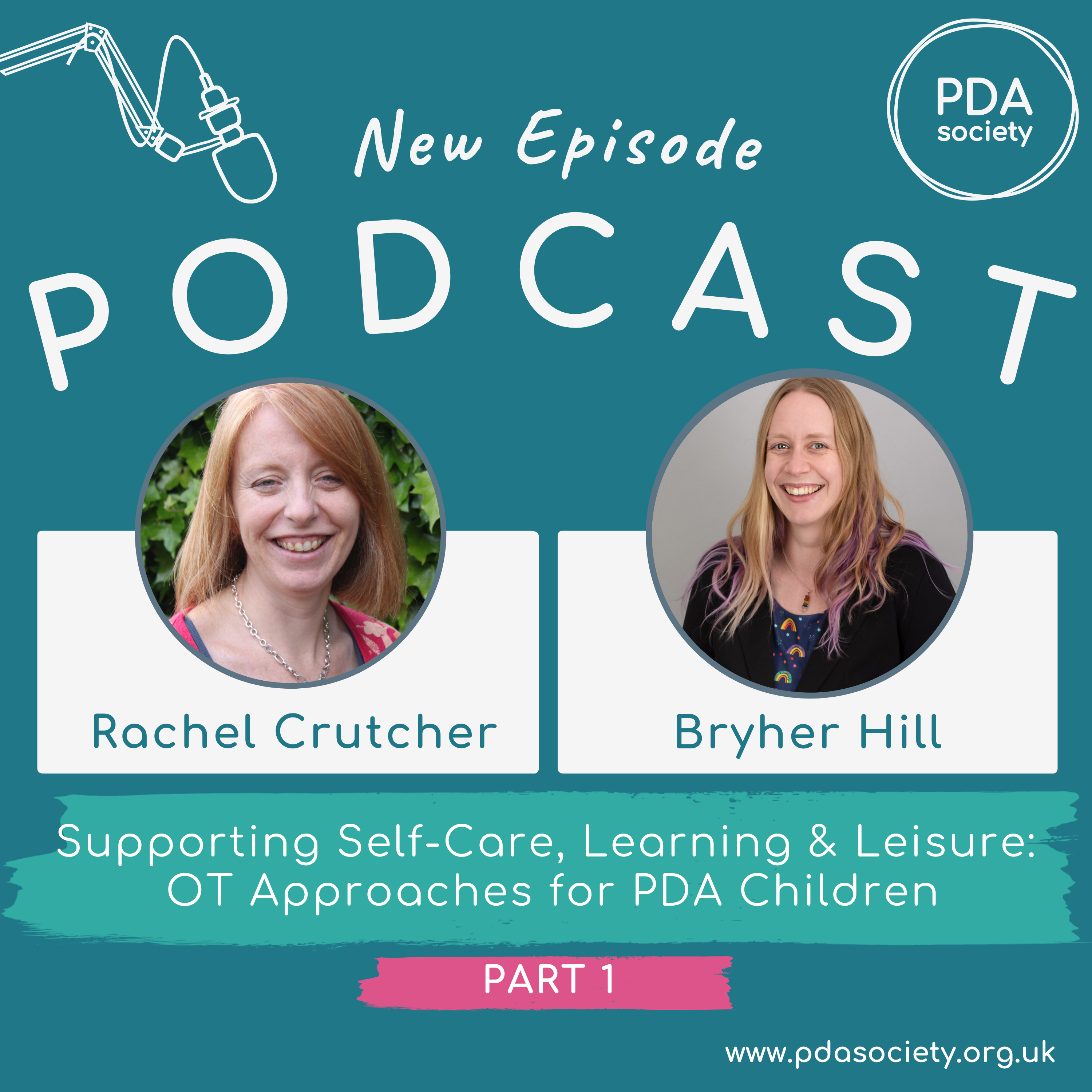
Supporting Self-Care, Learning & Leisure: OT Approaches for PDA Children
from PDA Society Podcast · host PDA Society
In this episode, Rachel from the PDA Society is joined by Bryher Hill, an occupational therapist from Helping Kids Shine, to explore how occupational therapy can support PDA children and their families.Bryher shares insight into how occupational therapy looks different when working with PDA profiles, focusing less on compliance and more on understanding the underlying needs driving behaviour. The conversation explores how everyday activities such as self-care, routines and transitions can become overwhelming when anxiety and demand sensitivity are high.Part 1 focuses on understanding the role of occupational therapy in supporting regulation, autonomy and participation in daily life. Bryher explains how observing a child’s sensory profile, nervous system responses and communication style can help identify what is making tasks feel difficult.The discussion also highlights the importance of adapting expectations, reducing pressure and working collaboratively with the child, rather than imposing routines that may increase distress. Bryher emphasises that small, thoughtful adjustments can make everyday activities feel more achievable and less threatening.Key Themes The role of occupational therapy in supporting PDA children Understanding behaviour through a sensory and nervous system lens Reducing demands around routines and expectations Supporting autonomy and participation in daily life Working collaboratively rather than directingDeep Diver Subscriber EpisodeFor those who would like to go further, Part 2, an exclusive “Deep Diver” subscriber episode, is available through our Training Hub.You can access it here: https://training.pdasociety.org.uk/pda-podcasts/DisclaimerThe views and opinions expressed by guest speakers in this podcast are their own and do not necessarily reflect those of the PDA Society. While we aim to provide balanced and inclusive discussions, individual experiences and perspectives may vary. The PDA Society is committed to using language and terminology that reflects the preferences of PDA and autistic people, but sometimes our guests may use language and terminology which differs. Appearance on our podcast is not an endorsement of an individual, and not all of our guests will align with our position on the issues discussed.Further sources of support and information PDA Society Training Hub: https://training.pdasociety.org.uk/pda-podcasts/ PDA Society Website: https://www.pdasociety.org.uk/ PDA Society Support Service: https://www.pdasociety.org.uk/support-and-training/support/Guest links:Helping Kids Shine empower children, young people and families through Occupational Therapy and Speech and Language Therapy, supporting families to navigate challenges with improved understanding and confidence. With a focus on strengths and neurodiversity-affirming practice, we open doors to brighter futures where children can move from surviving to thriving. Want to learn more? Find us at the following links:www.helpingkidsshine.co.ukhttps://www.facebook.com/helpingkidsshineUK/https://www.instagram.com/helpingkidsshineuk/
What this episode covers
In this episode, Rachel from the PDA Society is joined by Bryher Hill, an occupational therapist from Helping Kids Shine, to explore how occupational therapy can support PDA children and their families. Bryher shares insight into how occupational therapy looks different when working with PDA profiles, focusing less on compliance and more on understanding the underlying needs driving behaviour. The conversation explores how everyday activities such as self-care, routines and transitions can become overwhelming when anxiety and demand sensitivity are high. Part 1 focuses on understanding the role of occupational therapy in supporting regulation, autonomy and participation in daily life. Bryher explains how observing a child's sensory profile, nervous system responses and communication style can help identify what is making tasks feel difficult. The discussion also highlights the importance of adapting expectations, reducing pressure and working collaboratively with the child, rather than imposing routines that may increase distress. Bryher emphasises that small, thoughtful adjustments can make everyday activities feel more achievable and less threatening. Key Themes * The role of occupational therapy in supporting PDA children * Understanding behaviour through a sensory and nervous system lens * Reducing demands around routines and expectations * Supporting autonomy and participation in daily life * Working collaboratively rather than directing Deep Diver Subscriber Episode For those who would like to go further, Part 2, an exclusive "Deep Diver" subscriber episode, is available through our Training Hub. You can access it here: https://training.pdasociety.org.uk/pda-podcasts/ Disclaimer The views and opinions expressed by guest speakers in this podcast are their own and do not necessarily reflect those of the PDA Society. While we aim to provide balanced and inclusive discussions, individual experiences and perspectives may vary. The PDA Society is committed to using language and terminology that reflects the preferences of PDA and autistic people, but sometimes our guests may use language and terminology which differs. Appearance on our podcast is not an endorsement of an individual, and not all of our guests will align with our position on the issues discussed. Further sources of support and information * PDA Society Training Hub: https://training.pdasociety.org.uk/pda-podcasts/ * PDA Society Website: https://www.pdasociety.org.uk/ * PDA Society Support Service: https://www.pdasociety.org.uk/support-and-training/support/ Guest links: Helping Kids Shine empower children, young people and families through Occupational Therapy and Speech and Language Therapy, supporting families to navigate challenges with improved understanding and confidence. With a focus on strengths and neurodiversity-affirming practice, we open doors to brighter futures where children can move from surviving to thriving. Want to learn more? Find us at the following links: www.helpingkidsshine.co.uk [http://www.helpingkidsshine.co.uk/] https://www.facebook.com/helpingkidsshineUK/ https://www.instagram.com/helpingkidsshineuk/
NOW PLAYING
Supporting Self-Care, Learning & Leisure: OT Approaches for PDA Children
No transcript for this episode yet
Similar Episodes
Mar 26, 2026 ·1m
Jan 2, 2026 ·47m
Dec 21, 2025 ·46m