
EPISODE · Dec 20, 2024 · 1 MIN
Taking Aim at Bacterial Threats in Poultry Farming
from Rural Roots Canada · host RRC soundbites
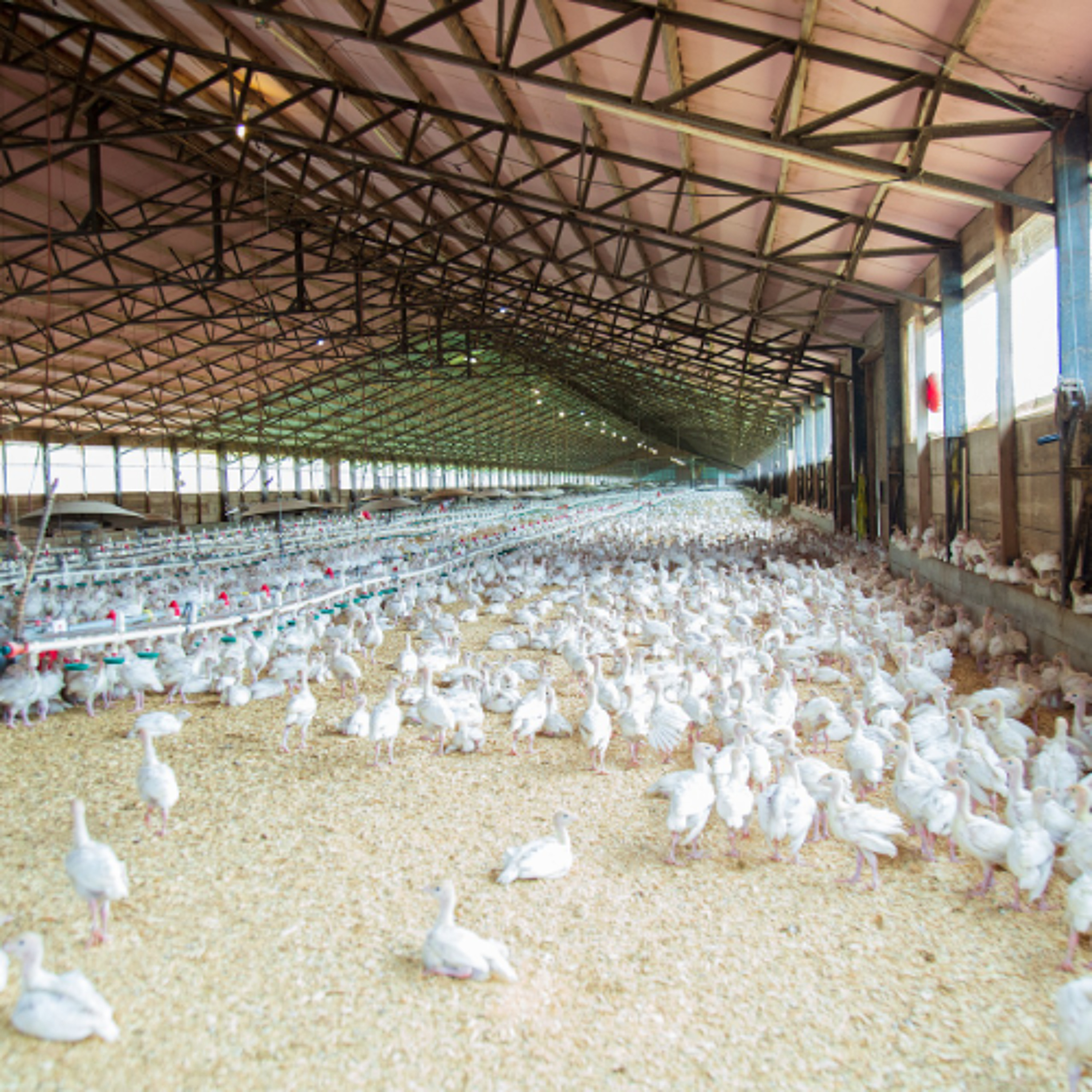
A researcher at Lethbridge Polytechnic is taking aim at bacterial threats in poultry farming. Dr. Sophie Kernéis, microbial research lead at the school, has received an $80,000 grant from the Egg Farmers of Canada to explore phytobiotics, plant-based compounds with antibiotic properties. The goal? To fight Avian Pathogenic E. Coli or APEC. APEC is one of the leading bacterial causes of mortality and morbidity in poultry. It results in millions of chicken deaths and an estimated $10 to $50 million in cost each year. The bacteria can also lead to reduced growth in chickens, representing less meat per chicken and egg production. Dr. Kernéis began her work in 2016 by creating a library of plant extracts to identify those with antibiotic potential. Her team has built an extensive library of plant extracts, testing roughing 150 varieties. The research has already identified a couple of promising plants capable of controlling E. coli and other harmful bacteria. "E. coli is one of their main problems, and so I'm focusing on this bacteria," says Dr. Kernéis. "But there are many other bacteria that can be also addressed." To read more go to ruralrootscanada.com.
Embed this episode
Ready to play
Taking Aim at Bacterial Threats in Poultry Farming
No transcript for this episode yet
Similar Episodes
No similar episodes found.