
EPISODE · May 20, 2026 · 23 MIN
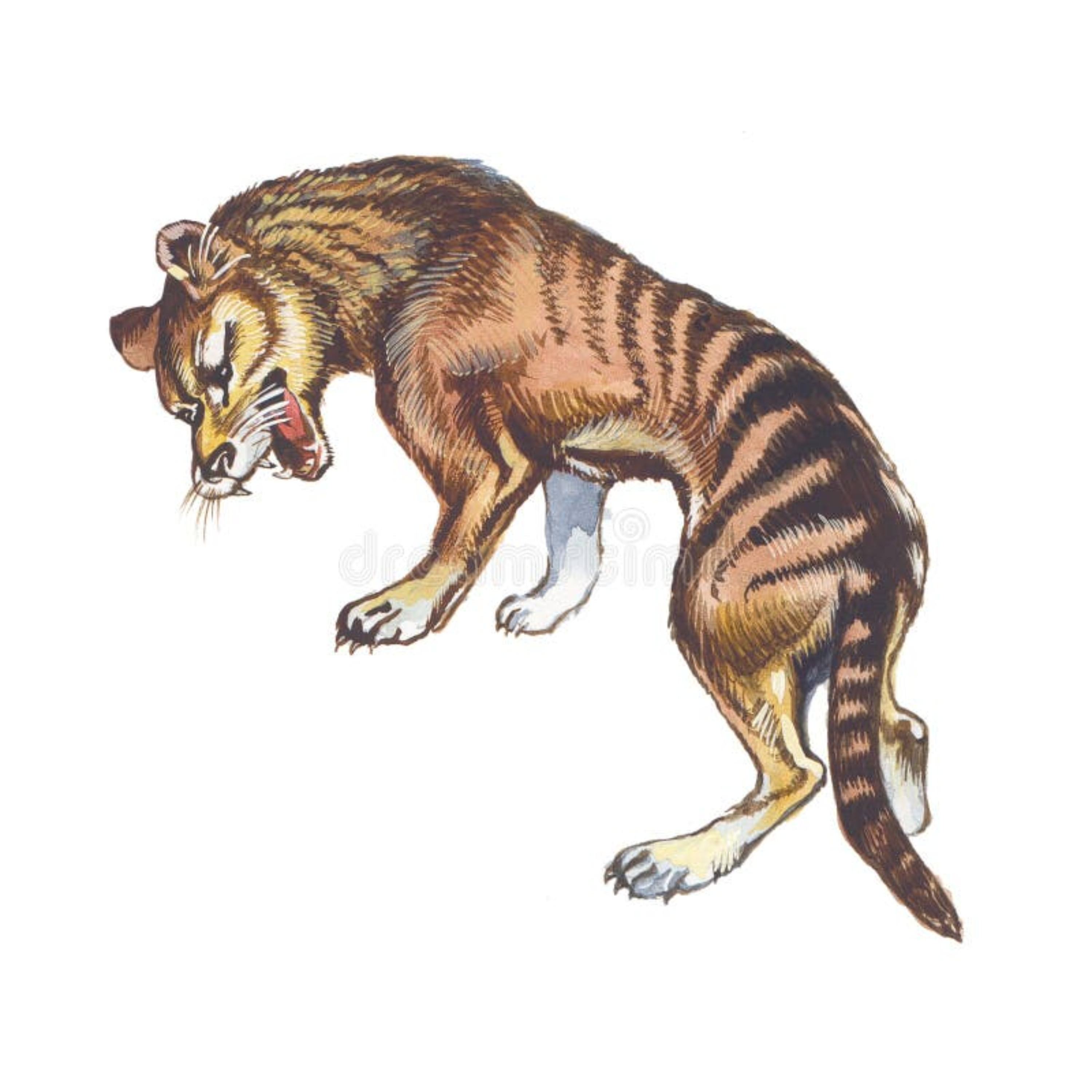
Tasmanian tiger wiped out by Dingo on Mainland Australia no? Another Locally extinct mammal recently found on Mainland Australia.
from Tasmanian tiger 2026.Mainland Australian introduction ?Parks Victoria not screening for thylacine. · host Michael Moss
https://www.sciencedaily.com/releases...Dingoes have been unjustly blamed for the extinctions on the Australian mainland of the Tasmanian tiger (or thylacine) and the Tasmanian devil, a University of Adelaide study has found. In a paper published in the journal Ecology, the researchers say that despite popular belief that the Australian dingo was to blame for the demise of thylacines and devils on the mainland about 3000 years ago, in fact Aboriginal populations and a shift in climate were more likely responsible. "Perhaps because the public perception of dingoes as 'sheep-killers' is so firmly entrenched, it has been commonly assumed that dingoes killed off the thylacines and devils on mainland Australia," says researcher Dr Thomas Prowse, Research Associate in the School of Earth and Environmental Sciences and the Environment Institute. This study below is also very interesting as the Tasmanian tiger/Thylacine i videotaped hunting in 1998 also moved like a cat...https://www.livescience.com/14006-thy...Dingoes Didn't Run Tasmanian Tigers Out of Australia. Jennifer Welsh's By Jennifer Welsh published May 4, 2011 .Though highly similar in their skull anatomy, specialized for a carnivorous diet, the thylacine, front, and the dingo very likely had different hunting styles. Researchers analyzing skeletons of the forelimbs found important differences .Though highly similar in their skull anatomy, specialized for a carnivorous diet, the thylacine and the dingo very likely had different hunting styles. Researchers analyzing skeletons of the forelimbs found important differences. The extinct thylacine, more commonly known as the "Tasmanian tiger" or "marsupial wolf," hunted more like a cat than a dog, meaning the tiger moniker may be the more appropriate nickname. Researchers hypothesized that the dingoes were a main cause of the thylacine decline in Australia, because the two species were in direct competition — using the same hunting strategies to hunt the same prey. Quokka article link..https://perthisok.com/explore/quokkas-discovered-perth-hills/My Thylacine video • Tasmanian tiger 1998 footage South Gippsla... Rock art my video • Thylacine rock art on mainland Australia d... Other recent mainland Mammal discoveries video links .. • Marsupial found after 200 years on mainlan... • Tasmanian tiger Mainland Australia 2023.Pa... 22/05/2026 Article out today on ancient DNA dingo study 88% pure dingo in Australia.https://www.abc.net.au/news/2026-05-22/dingo-dna-new-study-dingoes-have-some-domestic-dog-genetics/106700460Breaking news 30/05/2026 Locally Extinct fish found in Perth hills after recent discovery of local Quokka population in the outer Perth Metropolitan area https://echonewspaper.com.au/news/ext...https://echonewspaper.com.au/ Extinct fish found in Helena RiverResearchers rediscover the endangered Balston’s pygmy perch in Helena River which was previously believed to have gone extinct in the Perth Hills.May 28, 2026BIBBUL Ngarma Aboriginal Association (BNAA) has discovered a locally previously believed extinct fish - the rare and threatened Balston’s pygmy perch - in the Mandoon Bilya (Helena River).It was first detected through eDNA sampling as part of the BoorYul-Bah-Bilya (BBB) program, which is building a biodiversity baseline across the entire Mandoon catchment.“We then collaborated with the Department of Water and Environmental Regulation’s (DWER) river science team to undertake targeted fish surveys to confirm its presence. Balston’s pygmy perch is one of the rarest freshwater fishes in the southwest and was long thought to be extinct north of Margaret River, making this discovery particularly significant.This is the second rare and threatened species previously thought to be locally extinct that has been rediscovered through the BBB program so far, alongside the Perth Hills quokkas.Environmental Dna found this species.
What this episode covers
https://www.sciencedaily.com/releases...Dingoes have been unjustly blamed for the extinctions on the Australian mainland of the Tasmanian tiger (or thylacine) and the Tasmanian devil, a University of Adelaide study has found. In a paper published in the journal Ecology, the researchers say that despite popular belief that the Australian dingo was to blame for the demise of thylacines and devils on the mainland about 3000 years ago, in fact Aboriginal populations and a shift in climate were more likely responsible. "Perhaps because the public perception of dingoes as 'sheep-killers' is so firmly entrenched, it has been commonly assumed that dingoes killed off the thylacines and devils on mainland Australia," says researcher Dr Thomas Prowse, Research Associate in the School of Earth and Environmental Sciences and the Environment Institute. This study below is also very interesting as the Tasmanian tiger/Thylacine i videotaped hunting in 1998 also moved like a cat...https://www.livescience.com/14006-thy...Dingoes Didn't Run Tasmanian Tigers Out of Australia. Jennifer Welsh's By Jennifer Welsh published May 4, 2011 .Though highly similar in their skull anatomy, specialized for a carnivorous diet, the thylacine, front, and the dingo very likely had different hunting styles. Researchers analyzing skeletons of the forelimbs found important differences .Though highly similar in their skull anatomy, specialized for a carnivorous diet, the thylacine and the dingo very likely had different hunting styles. Researchers analyzing skeletons of the forelimbs found important differences. The extinct thylacine, more commonly known as the "Tasmanian tiger" or "marsupial wolf," hunted more like a cat than a dog, meaning the tiger moniker may be the more appropriate nickname. Researchers hypothesized that the dingoes were a main cause of the thylacine decline in Australia, because the two species were in direct competition — using the same hunting strategies to hunt the same prey. Quokka article link..https://perthisok.com/explore/quokkas-discovered-perth-hills/My Thylacine video • Tasmanian tiger 1998 footage South Gippsla... Rock art my video • Thylacine rock art on mainland Australia d... Other recent mainland Mammal discoveries video links .. • Marsupial found after 200 years on mainlan... • Tasmanian tiger Mainland Australia 2023.Pa... 22/05/2026 Article out today on ancient DNA dingo study 88% pure dingo in Australia.https://www.abc.net.au/news/2026-05-22/dingo-dna-new-study-dingoes-have-some-domestic-dog-genetics/106700460Breaking news 30/05/2026 Locally Extinct fish found in Perth hills after recent discovery of local Quokka population in the outer Perth Metropolitan area https://echonewspaper.com.au/news/ext...https://echonewspaper.com.au/ Extinct fish found in Helena RiverResearchers rediscover the endangered Balston’s pygmy perch in Helena River which was previously believed to have gone extinct in the Perth Hills.May 28, 2026BIBBUL Ngarma Aboriginal Association (BNAA) has discovered a locally previously believed extinct fish - the rare and threatened Balston’s pygmy perch - in the Mandoon Bilya (Helena River).It was first detected through eDNA sampling as part of the BoorYul-Bah-Bilya (BBB) program, which is building a biodiversity baseline across the entire Mandoon catchment.“We then collaborated with the Department of Water and Environmental Regulation’s (DWER) river science team to undertake targeted fish surveys to confirm its presence. Balston’s pygmy perch is one of the rarest freshwater fishes in the southwest and was long thought to be extinct north of Margaret River, making this discovery particularly significant.This is the second rare and threatened species previously thought to be locally extinct that has been rediscovered through the BBB program so far, alongside the Perth Hills quokkas.Environmental Dna found this species.
NOW PLAYING
Tasmanian tiger wiped out by Dingo on Mainland Australia no? Another Locally extinct mammal recently found on Mainland Australia.
No transcript for this episode yet
Similar Episodes
Mar 26, 2026 ·1m
Jan 2, 2026 ·47m
Dec 21, 2025 ·46m