
EPISODE · Nov 12, 2024 · 1H 2M
The Ashes Of Isaac at The Akeyda - VaYera
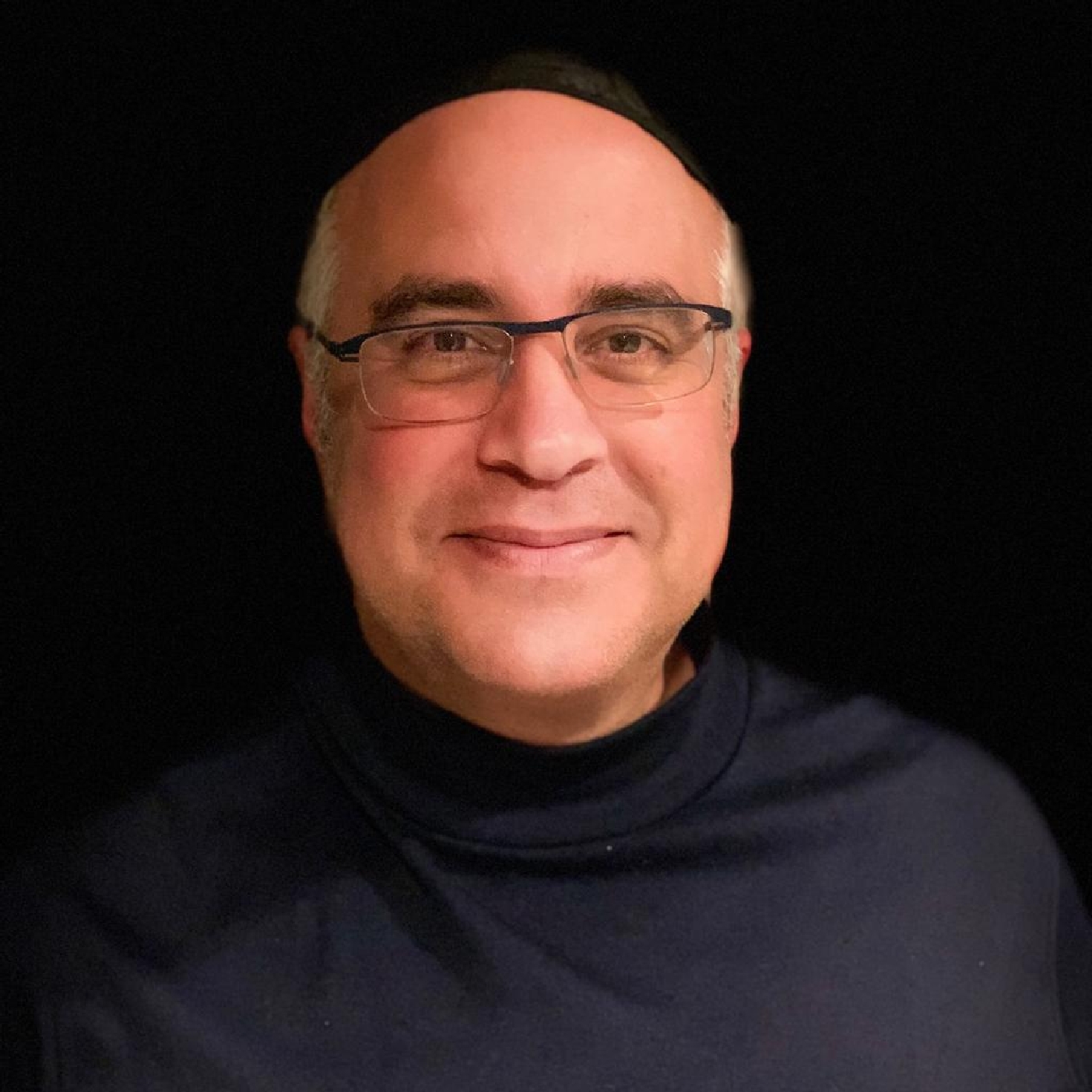
from Parsha with Rabbi David Bibi · host david bibi
Thisweek we read the Akeydah. The Akeydah or binding of Isaac is something soimportant to us that we recall it in detail in our daily prayers. We alsorecall it specifically on Rosh Hashana and Yom Kippur to protect, defend andstand in merit for us. Thestory we think we know: Hashem tells Abraham to take Yishak as an offering.They go together to the mount. Abraham binds Isaac to the alter and at the lastminute is stopped by an angel. A ram is offered in Isaac’s stead. Hashem makesa promise to Abraham and they return home. That’sthe story my 4 year old granddaughter will tell in Parsha with Orly Adele iin amix of Hebrew and English this week. And the story we heard at four is the onewe continue to hear, But there is much more to the story Manyquestions are asked Forexample at the end of the Akeyda the passuk tells us וישבאברהם אל נעריו Allthe commentators ask. And where was Yishak? Thereare many Midrashim relating to the Akeyda Afamous one recalls Satan’s attempt to stop it. Realizingthe importance of the Akeydah to the future of Benai Yisrael and the merit andprotection it will provide, the midrashim expand on the attempt of the Satan toprevent Abraham and Isaac from going through with the sacrifice. Whatshould have been an 8 hour walk from Hebron to mount Moriah, became a three-daytrek through impossible conditions brought on by the Satan. He triespsychological arguments imploring Abraham that he could not have possibly heardwhat he thought he heard. Hecalls him a fool who dreamed up a god who would ask him to kill a son given tohim at 100 years of age. He uses an intellectual quarrel arguing that prophecyis imperfect and there is room for interpretation. He threatens him that hewill be liable for murder. Whenthat fails, he turns to Isaac and pleads with him to come to his sensesexplaining that his father is certainly senile if he thinks G-d would ask himto sacrifice his only son. He tells Isaac to think of his poor mother. Hereminds him that Yishmael will become the heir in his stead. Hethen turns to physical impediments including transforming himself into animpassable river. Its only when the two of them attempt to continue onregardless that the river gives up. But does the Satan give up? I would suggestthat he does not and fulfilling his role in challenging man uses even moredrastic attempts. Thereis the Disney G rated version of the Akeydah where only the ram gets killed(was Bambi G rated) and then there is an R rated version which we don’t usuallyhear about unless we get deep into the mefarshim. This R rated version hasSatan continue his pressure and would come with a warning note for violence. Ifirst discovered this alternate version about 35 years ago. The Eben Ezracomments on the verse: “And Abraham returned”: He questions that it does notmention Issac … Isaacis not mentioned because he was under Abraham’s care. Those who say thatAbraham slaughtered Isaac and left him on the altar and following this Isaaccame to life are contradicting Scripture. ttps://www.sefaria.org/Ibn_Ezra_on_Genesis.22.19.1 AndI said to myself what? What is he talking about? Someone says he didn’t stop?Someone says Abraham killed Isaac? I asked Rabbi Abittan for an explanation andbegan delving into the opinion carried not just by one, but we saw, by many andburied for various reasons which later became very obvious. Butit soon became apparent that this other opinion was not very well hidden. Itwas more about being ignored as it was simply impossible to comprehend and wepreferred to stick with the kindergarten version. Forexample, in the Meam Loez, a commentary on the Torah written specifically forthe religiously uneducated masses in 1730, Rav Yaakov Culi comments on thissame verse. “There is another opinion that Abraham did begin to slit Isaac’sthroat and actually perforated his windpipe. When Abraham looked up and saw theram, the angels swooped Isaac away, brought him to the Garden of Eden and lefthim there until he was completely healed.” Atthe time we discussed with the Rabbi that Isaac’s soul had a partial flaw inthat his mother laughed when she heard she would become pregnant. The mekubalimalso explain that his soul was completely bound to the side of gevurah or whatwe call the feminine side and in order to correct his soul so that he couldhave children, the soul needed to return to heaven and be repaired beforereturning again. The repair including a meeting up with his mother Sarah’s soulas she dies at the exact same moment. A piece of her soul went into Isaac andanother part went into Rebecca who was born at that same moment. Aboutfifteen years ago, I gave a version of a class on the subject on Shabbatmorning to a full house eating breakfast bringing the proofs simply from theTorah and Rashi and it seems each year since then a little more of the puzzlebecomes uncovered. But people who were shocked at the end of that class stillcome up to me so many years later and ask for further explanations. Andalthough I have given this class before and there is a podcast of it, I wasasked this week to please repeat it, but as noted each year, we learn more. Sowe will add what we have learned. Weknow that Abraham and Jacob both left the land of Israel. Isaac was notpermitted to leave the land for the impurities of exile as he was holy. I foundit interesting that Rabbi Pinchas Winston notes, “according to Kabbalah, thewhole point of decomposition (Of the buried body), ultimately, is to providethe opportunity to rebuild the body in the period of resurrection free of thespiritual 'filth' inflicted upon the Jewish people by the OriginalSnake in the Garden of Eden, which, resulted in the inclusion of a yetzer harainto mankind. This is something that is next to impossible to do in a lifetime,and, requires decomposition to full achieve. Assumingthe same, the resurrected Isaac returns not only with a perfected soul, butalso with a perfected body, not tainted by sin. He truly is a man but beyondthis world. Thus he cannot allow perfection to be sullied in exile at all. Onemight ask, how can there be two opposing versions of the same story? But wemust recall that the Torah has seventy faces and there truly can be seventyversions of the same. We often see polar opposite opinions expressed in theTalmud. They may be opposite, but there are 360 degrees to the circle. Wealso must recall what the rabbi often stressed. The Torah not a story book andwe grow when are able to see things from a different perspective Thepurpose of the discussion on different ways of seeing a story within the Torahis not meant to convince you that something happens one way or the other way orthat what you always thought was true is not true. The purpose of our learningis to remind us that we need to open our eyes and open our minds when we learnTorah. We need to be willing to ask questions and from those questions we willlearn. The Talmud is 2711 pages of questions. Onlyby asking can we begin to learn.
Embed this episode
Ready to play
The Ashes Of Isaac at The Akeyda - VaYera
No transcript for this episode yet
Similar Episodes
No similar episodes found.
Similar Podcasts
No similar podcasts found.