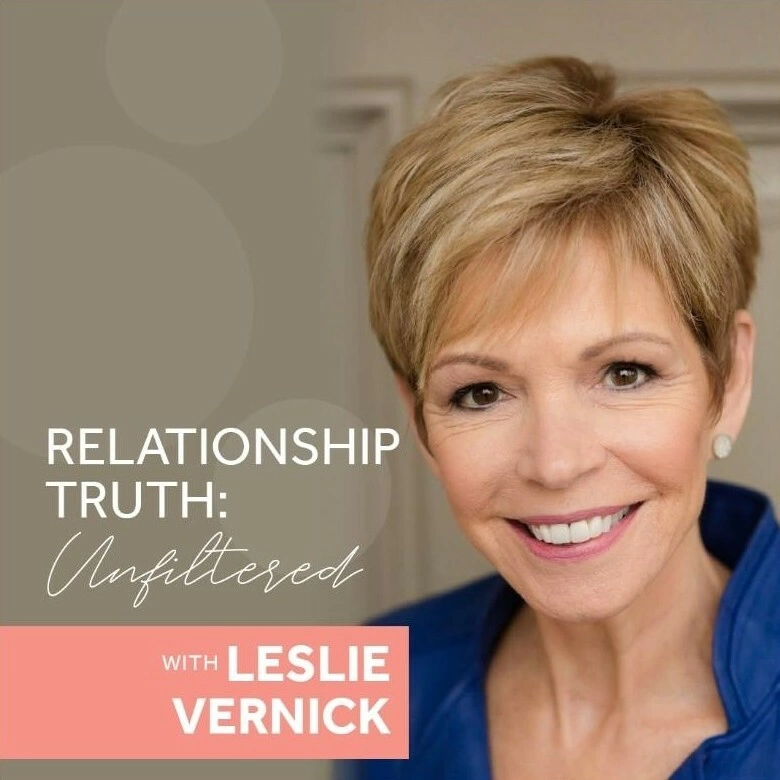
The Connection Between Trauma and People Pleasing
from Relationship Truth: Unfiltered Hosted by Leslie Vernick
Resource: Leslie's People Pleasing Course In this episode, Julie and Leslie explore the connection between trauma and people-pleasing habits. They discuss how past experiences can lead us to prioritize others' approval over our own well-being. Through real-life stories and practical tips, they empower listeners to break free from these patterns, find their voice, and foster more authentic connections. Why Understanding the Connection is Important Childhood patterns: Survival mechanisms that may not serve us well in adulthood Impact of unresolved trauma on adult relationships and well-being Signs of People-Pleasing Behavior Difficulty saying no, anxiety when refusing requests Constantly seeking approval, compromising personal values Roots of Negative People-Pleasing Behavior Relationship trauma: Abuse, neglect, abandonment Response mechanisms: Fight, flight, freeze, fawn Personal Experiences with People-Pleasing Leslie Vernick's journey: Balancing pleasing others with self-care and values Setting Boundaries Importance of identity and responsibility in setting boundaries Practical examples: Saying no without guilt, prioritizing self-care Strategies for Healing from Past Trauma Recognizing trauma's impact on decision-making and relationships Taking responsibility for personal healing and growth Conclusion Importance of internal healing for breaking the cycle of people-pleasing Steps towards self-awareness, setting boundaries, and healing from trauma
Embed this episode
What this episode covers
In this episode, Julie and Leslie explore the connection between trauma and people-pleasing habits. They discuss how past experiences can lead us to prioritize others’ approval over our own well-being. Through real-life stories and practical tips, they empower listeners to break free from these patterns, find their voice, and foster more authentic connections.
No transcript yet.