
EPISODE · Oct 4, 2023 · 29 MIN
The Diverse Opportunities in Pulse Crops with Steve Tucker and Dr. Bob Harveson
from Growing Pulse Crops
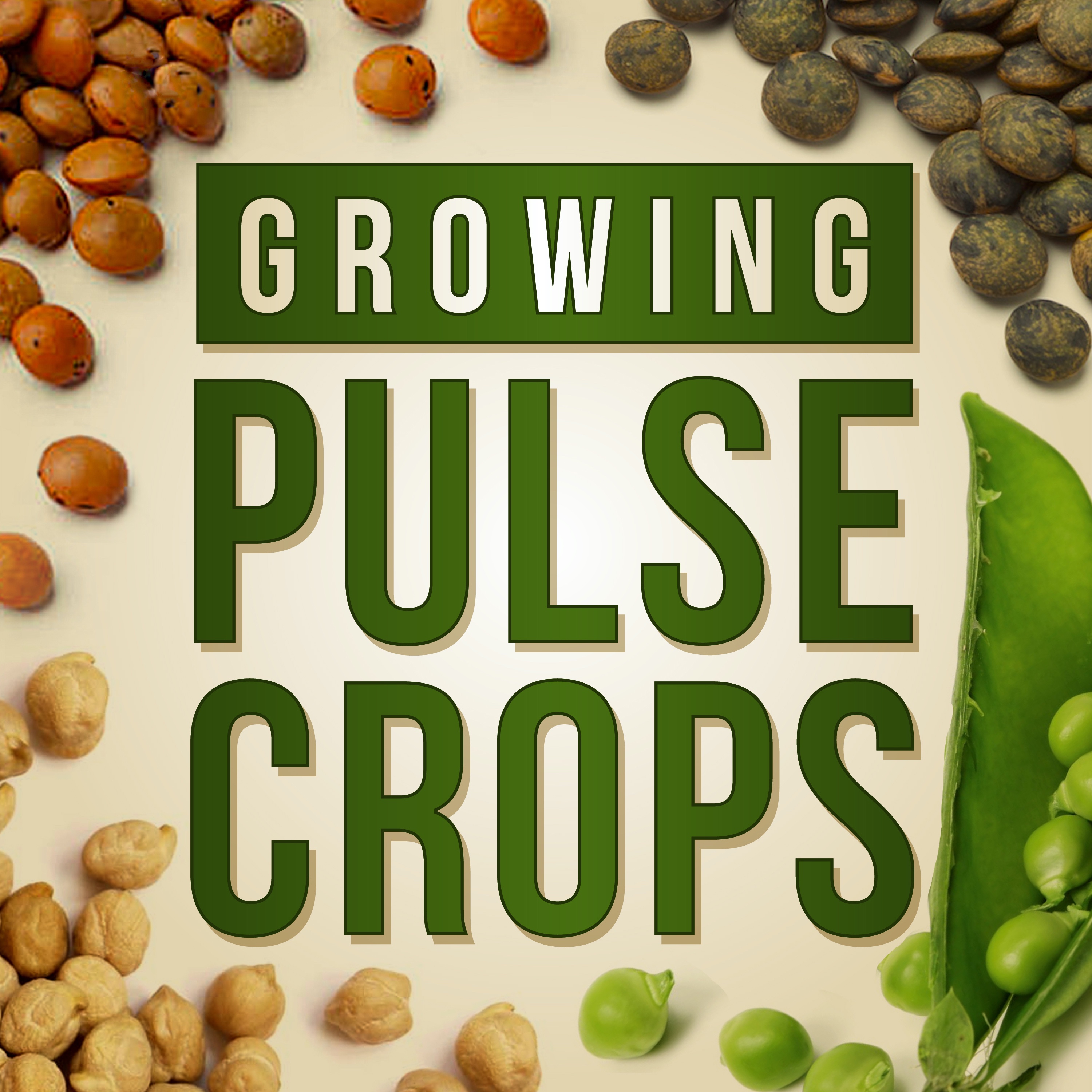
Take our audience survey and let us know your feedback about the Growing Pulse Crop Podcast!Whether you’re from Nebraska or elsewhere, this is a great episode about what’s possible for the future of pulse crops. We talk about peas and chickpeas, but we also get into other niche opportunities like mung beans, cowpeas and more. You’ll get a sense of the emerging pulse industry in Nebraska, but also what it takes for the development of pulse crops everywhere. We discuss genetics, agronomy, disease management and marketing strategy. We start with Steve Tucker. Steve farms near Venango, Nebraska in the southwest part of the state. He has built his operation on the principle of diversity and grows up to 14 different crops.“We can grow mung beans, I mean, there's different...aspects of these different things that we can do. What does the market need? And so I just had a conversation with a company that's looking for lupins. I don't know if you've ever heard of lupins before and so there are more various different kinds of pulse crops that who knows what else is out there and what people are looking for to utilize in food products.” - Steve TuckerWhen plant pathologist Dr. Bob Harveson came to the University of Nebraska in 1999, chickpeas were really on the rise in the state. Sometime in the early 2000’s ascochyta really started to affect a lot of fields and there were no fungicides labeled for the disease for treatment. Since then he said fungicide options have improved over time as have genetics. Unfortunately, many of those same growers who experienced the devastating losses from ascochyta are very hesitant to plant chickpeas or even other pulse crops again. Despite these frustrations, Bob remains optimistic for the future of chickpeas and other pulses in the state. “I have a strong diagnostic background. So whenever something like this pops up, I try to determine what the problem is, how well it's distributed, you know, those sorts of things. Before you can start developing control measures, you gotta know what you've got in order to really make the right choice for that.” - Dr. Bob HarvesonThis Week on Growing Pulse Crops:Meet Steve Tucker who farms near Venango, Nebraska and explore the diverse crop varieties he plants on his operation and his motivation behind their selectionAlso meet plant pathologist Dr. Bob Harveson from the University of Nebraska and explore his involvement in pulse crop production and what he sees as the future of the industryFor more information on ascochyta specifically, you can refer back to some of the previous episodes we’ve done on the topic.Coordinated Research Efforts to Fight Pulse Pathogens with Dr. Jenny Davidson in season twoCanadian Pulses and Foliar Disease Management in season twoDisease Management in Pulses with Dr. Michael Wunsch in season oneGrowing Pulse Crops Podcast is hosted by Tim Hammerich of the Future of Agriculture Podcast.
Embed this episode
NOW PLAYING
The Diverse Opportunities in Pulse Crops with Steve Tucker and Dr. Bob Harveson
No transcript for this episode yet
Similar Episodes
No similar episodes found.
Similar Podcasts
No similar podcasts found.