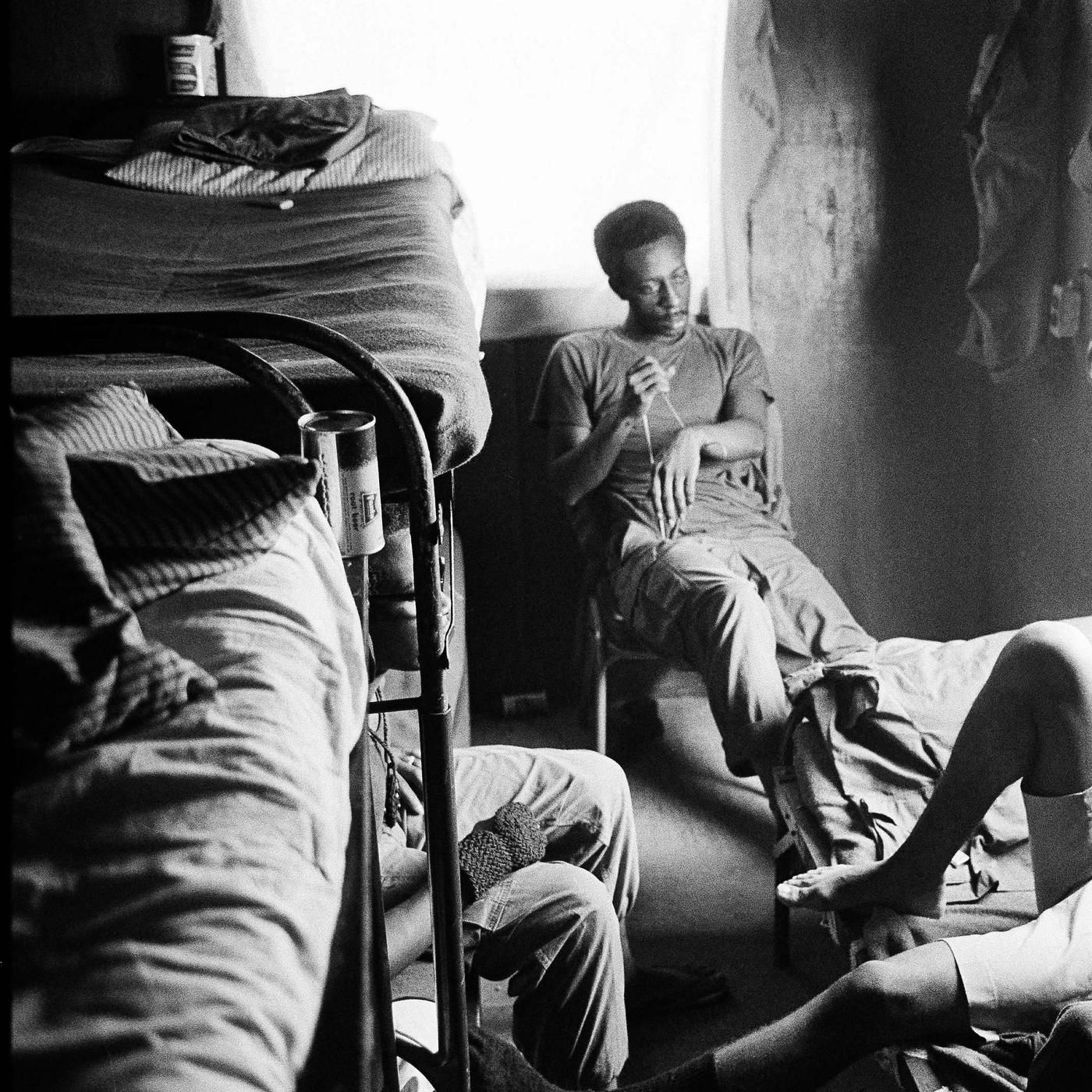
The Drug War episode artwork

EPISODE · Jul 3, 2017 · 35 MIN

The Drug War

from Notes from America with Kai Wright · host WNYC Studios

As the opioid epidemic continues to increase, we take a look back at the Sixties when the War on Drugs, a federal effort to decrease illegal drug use, was beginning to take shape. It was a decade of intense change in America as political assassinations took place, the Black power movement rose, and the Vietnam War intensified. It was also a time that conservatives, scared about the future of their country, were beginning to fight back. No one understood this more than Richard M. Nixon during his second run for president in 1968. Nixon knew that many people, especially southern whites, were afraid of the social progress that the country was making at the time. He also knew that drug use and crime were going up and that tapping into the fears and anxieties, while tying them to race, may have been just the strategy he needed to win. “The wave of crime is not going to be the wave of the future in the United States of America,” Nixon said in 1968 as he accepted the Republican nomination, becoming the law and order candidate.It worked, and when he was elected he decided to make good on his promise, focusing not only on crime, which is often a state issue, but drugs. Drugs were a federal issue that was gaining traction among the public and in the political realm, as heroin use spread among both Americans at home and US soldiers in Vietnam.Christopher Johnson looks at the beginning of the War on Drugs in America, from it’s roots with the Southern Strategy, to the strange support for methadone treatment centers, to the so-calledRockefeller Drug Laws in New York. “America’s public enemy number 1 in the US is drug abuse,"declared Nixon in 1971 as he launched the War on Drugs. “In order to defeat this enemy, it is necessary to wage a new, all-out offensive.” Though he didn’t utter the phrase, Nixon's "War On Drugs" was a costly offensive whose long-lasting impact on drug policy, law enforcement and American culture continues today.Episode Contributors:Kai WrightChristopher JohnsonKaren FrillmannThe United States of Anxiety is hosted by Kai Wright and produced by WNYC Studioshttps://itunes.apple.com/us/artist/wnyc/id127981066?mt=2>.Listen to more shows from WNYC Studios: http://wny.cc/yzc4304odXpWNYC Studios is the producer of other leading podcasts including Freakonomics, Radiolab, Here's The Thing with Alec Baldwin and many more. Tell us what you think. We're @noteswithkai on Instagram and X (Twitter). Email us at [email protected]. Send us a voice message by recording yourself on your phone and emailing us, or record one here.Notes from America airs live on Sundays at 6 p.m. ET. The podcast episodes are lightly edited from our live broadcasts.

As the opioid epidemic continues to increase, we take a look back at the Sixties when the War on Drugs, a federal effort to decrease illegal drug use, was beginning to take shape. It was a decade of intense change in America as political assassinations took place, the Black power movement rose, and the Vietnam War intensified. It was also a time that conservatives, scared about the future of their country, were beginning to fight back. No one understood this more than Richard M. Nixon during his second run for president in 1968. Nixon knew that many people, especially southern whites, were afraid of the social progress that the country was making at the time. He also knew that drug use and crime were going up and that tapping into the fears and anxieties, while tying them to race, may have been just the strategy he needed to win. “The wave of crime is not going to be the wave of the future in the United States of America,” Nixon said in 1968 as he accepted the Republican nomination, becoming the law and order candidate.It worked, and when he was elected he decided to make good on his promise, focusing not only on crime, which is often a state issue, but drugs. Drugs were a federal issue that was gaining traction among the public and in the political realm, as heroin use spread among both Americans at home and US soldiers in Vietnam.Christopher Johnson looks at the beginning of the War on Drugs in America, from it’s roots with the Southern Strategy, to the strange support for methadone treatment centers, to the so-calledRockefeller Drug Laws in New York. “America’s public enemy number 1 in the US is drug abuse,"declared Nixon in 1971 as he launched the War on Drugs. “In order to defeat this enemy, it is necessary to wage a new, all-out offensive.” Though he didn’t utter the phrase, Nixon's "War On Drugs" was a costly offensive whose long-lasting impact on drug policy, law enforcement and American culture continues today.Episode Contributors:Kai WrightChristopher JohnsonKaren FrillmannThe United States of Anxiety is hosted by Kai Wright and produced by WNYC Studios.Listen to more shows from WNYC Studios: http://wny.cc/yzc4304odXpWNYC Studios is the producer of other leading podcasts including Freakonomics, Radiolab, Here's The Thing with Alec Baldwin and many more.

NOW PLAYING

The Drug War

0:00 35:23

No transcript for this episode yet

We transcribe on demand. Request one and we'll notify you when it's ready — usually under 10 minutes.

MG Show MG Show The MG Show, hosted by Jeffrey Pedersen and Shannon Townsend, is a leading alternative media platform dedicated to uncovering the truth behind today’s most pressing political issues. Launched in 2019, the show has grown exponentially, offering unfiltered insights, comprehensive research, and real-time analysis. With a commitment to independent journalism and factual integrity, the MG Show empowers its audience with knowledge and encourages active participation in the political discourse. Breaking News Show | eTurboNews Juergen Thomas Steinmetz News is relevant to the global travel and tourism industry, human rights and global issues.Breaking news when it happens and only from the source. French Your Way Jessica: Native French teacher founder of French Your Way Boost your French listening skills and test your comprehension with this one of a kind series of podcasts. Get the chance to listen to a real conversation between native speakers talking at normal speed AND customise your learning experience through carefully designed sets of questions (2 levels of difficulty) available for download at www.frenchvoicespodcast.com. All interviews also come with the transcript. French teacher Jessica interviews native speakers of French from around the world who share a bit of their life and passion. Where else would you meet in one same place a French yoga teacher based in Melbourne, a soap manufacturer from Provence, or a couple cycling around the world? That Hoarder: Overcome Compulsive Hoarding That Hoarder Hoarding disorder is stigmatised and people who hoard feel vast amounts of shame. This podcast began life as an audio diary, an anonymous outlet for somebody with this weird condition. That Hoarder speaks about her experiences living with compulsive hoarding, she interviews therapists, academics, researchers, children of hoarders, professional organisers and influencers, and she shares insight and tips for others with the problem. Listened to by people who hoard as well as those who love them and those who work with them, Overcome Compulsive Hoarding with That Hoarder aims to shatter the stigma, share the truth and speak openly and honestly to improve lives.

Frequently Asked Questions

How long is this episode of Notes from America with Kai Wright?

This episode is 35 minutes long.

When was this Notes from America with Kai Wright episode published?

This episode was published on July 3, 2017.

What is this episode about?

As the opioid epidemic continues to increase, we take a look back at the Sixties when the War on Drugs, a federal effort to decrease illegal drug use, was beginning to take shape. It was a decade of intense change in America as political...

Can I download this Notes from America with Kai Wright episode?

Yes, you can download this episode by clicking the download button on the episode player, or subscribe to the podcast in your preferred podcast app for automatic downloads.
URL copied to clipboard!