
EPISODE · Sep 1, 2023 · 7 MIN
The Fish that was an Island - Ki Tavo
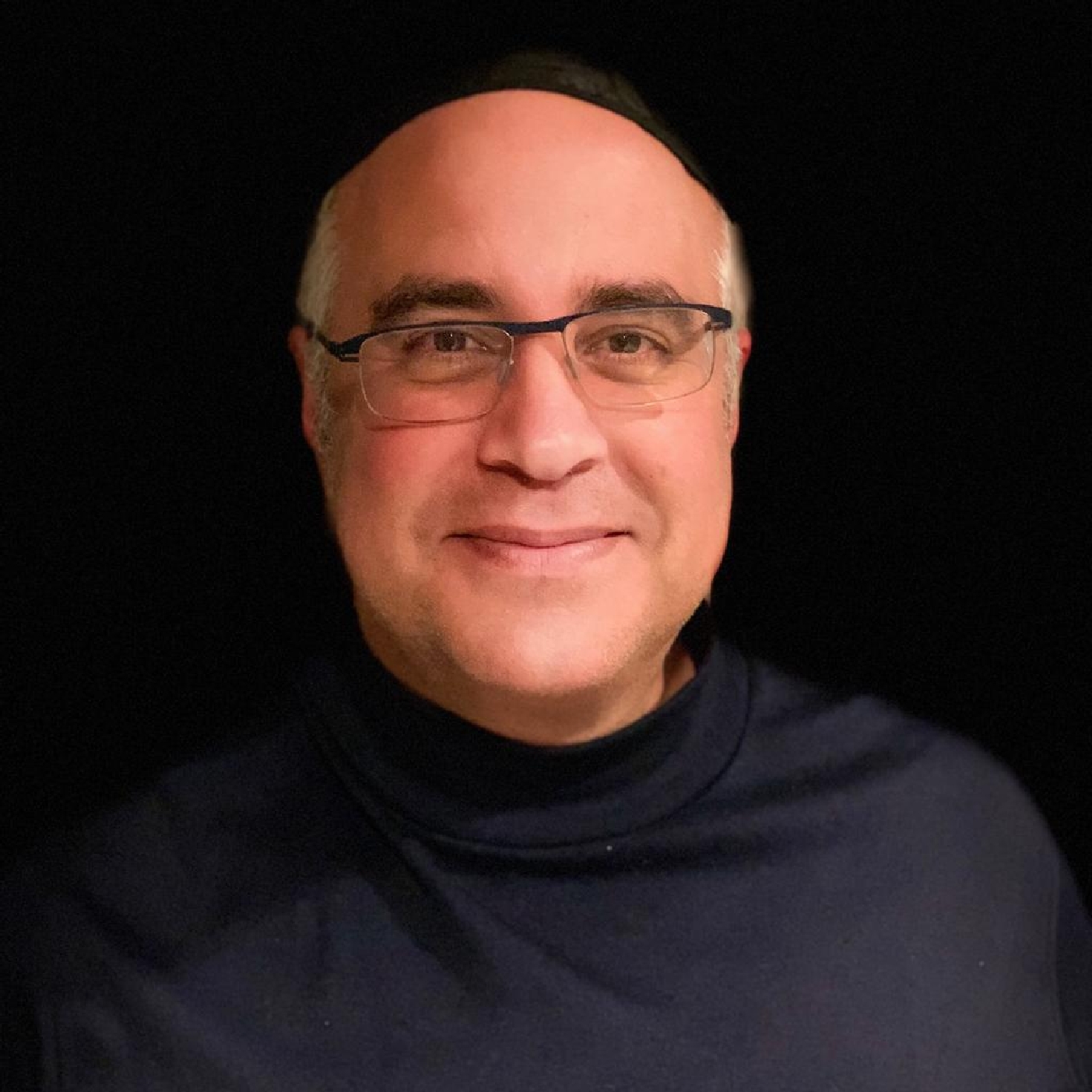
from Parsha with Rabbi David Bibi · host david bibi
KiTavo El HaAretz - When you come to the land and celebrate the first fruits. Ournewlywed children Mariyah and Moshe moved into their apartment this week andwere busy building plant racks for the balcony and arranging things. Mariyahsent me a picture after shopping at Machaneh Yehuda of her new refrigeratorstocked with fruits and vegetables and it was so apropos considering theopening topic of this week’s portion. Moving from America with the luxuries weget used to including immediate food deliveries through Instacart and settingup a home in Jerusalem with lots of red tape and bureaucracy, presents itschallenges. But they view it as returning home. Andtoday was our granddaughter Orly Adele’s third birthday. She celebrated at homewith her siblings and parents in the Holy Land while her oldest sister ChouxChoux brought home her homework to do, all in her native tongue, Hebrew. Beforethere was the internet and podcasts, before there were CD’s and learning viazoom, there were Rabbi Beryl Wein’s cassette tapes. And spending an hour or sowith the Rabbi each day going through each of his history series was a part ofmy daily study curriculum. Rabbi Abittan would explain that understandingJewish history, and where and when each of our great leaders and poskim livedand the socio economic conditions they lived under is crucial in understandingTorah and halacha, RabbiWein points out to what we refer to as exaggerated stories or fairy talesbrought by the great sage Rabba Bar bar Hana in Baba Batra 73B and clarifiesthat the Talmud’s fairy tales often reflect the realities of life in a veryprophetic way. “AndRabba bar bar Ḥana said: Once we were traveling on a ship and we saw a certainfish upon which sand had settled, and grass grew on it. We assumed that it wasdry land and went up (onto this island) and baked and cooked on the back of thefish, but when its back grew hot (because of the fire from the cooking), itturned over. And were it not for the fact that the ship was close by, we wouldhave drowned. RabbiWein tells us to look at this story and ponder how it reflects on the historyof the Jewish people. Often, and throughout time, we think that we are on solidground; what we call terra firma, but in reality, we’ve settled on a floatingfish, and when things get hot, the fish turns and we get thrown into the sea. Herecalled when he was the rabbi in Monsey, New York, they were building a newstudy hall and synagogue where certain huge ceiling beams were required. Hefound a company in Canada that made these beams and they guaranteed them for 80years. One of the members of the synagogue asked why he purchased these beamsfrom Canada when there was a company in Finland which charged a few dollarsmore, but would give a guarantee for 300 years. RabbiWein asked: are we planning for 300 years to have a building in exile? Are wenot considering returning home? Are we thinking about building a building forthe people who will take over our synagogue. Ashe told the story, I remembered the stories he would tell about hisfather-in-law in Detroit, and how they built a Synagogue and years later whenthe neighborhood changed, they all moved away. They built a new synagogue, inthe new neighborhood, while selling the first synagogue to a black minister andhis flock. Andthen years later, when they were going to move again, and they were sellingtheir synagogue to the same group a second time and building a third synagogue,the minister told them he wanted to be on the building committee for the thirdsynagogue because he figured eventually he would buy that too, once the Jewsmoved away. RabbiWein in his special way pointed out that the pity is that we think that we’reliving on dryland, and that nothing is going to move us. We are sure there isbedrock below us and we have a stable and perfect foundation, but the realityis everything in Jewish history, from the Torah to the prophets and all throughthe last two millennia tells us that we are really living on that fish, andonce the fish gets hot, we get tossed. Inhis synagogue in Jerusalem, there was a certain men who, for the last 16 years,was the chazan on the eve of Rosh Hashanah for selichot. And this past year,this man who is a diabetic, must’ve taken an incorrect dosage of insulin, orhad some reaction and there was some imbalance. Towards the end of the prayer,he was unable to continue, and almost passed out. The words just didn’t comeout and they sat him down and gave him some orange juice and someone else tookover. And it occurred to the Rabbi that this is us. One small imbalance and wecan’t continue. Allof life is like this, but too often we blind ourselves from realizing it. Wehave people who build fortunes, and they think those fortunes will last foreverand a generation or two later, and sometimes not even that long, the fortunesdisappear. Wehave to remember the words of Rabbi Bar Bar Chana when he admits that if notfor the boat, he and they would’ve all drowned. The only way that we don’tdrown in this world is to stay in the boat. The boat is Torah, the boat ismitzvot, the boat is morality, the boat is kindness, the boat is Hashem’s boat. Theboat is everything that the world mocks, and the Creator of the world provesthis to us. Andas I think of the opening words of the perasha, when you will come to the landand consider that we have one little piece of dryland in the world, a fractionof a fraction of the world. If you ask anybody on the planet, they’ll swear toyou that this piece of land we’ve returned too after two thousand years is theprime example of sitting on the back of a fish waiting to be thrown off. Butthis piece of land is in fact a protected boat, just as the boat is oursynagogue and the boat is our family. Manypeople arrive with a long list on Rosh Hashanah, but stop for a second and askyourself, what if you could only have one item on your list? What if you couldonly ask for one thing? What would that be? Perhapsto be on that boat with our children and grandchildren and settled in the landthat was given to us, whether shopping at machane Yehuda to fill the new fridgein Jerusalem or celebrating a birthday with a three year old sabra in Tel Aviv. “Thenyou will rejoice in all the good things that the Lord your God has given youand your family, along with the Levites and the stranger in your midst.” Amen
Embed this episode
Ready to play
The Fish that was an Island - Ki Tavo
No transcript for this episode yet
Similar Episodes
No similar episodes found.
Similar Podcasts
No similar podcasts found.