
EPISODE · Feb 17, 2026 · 28 MIN
The High Cost of People-Pleasing | Understanding Self-Abandonment
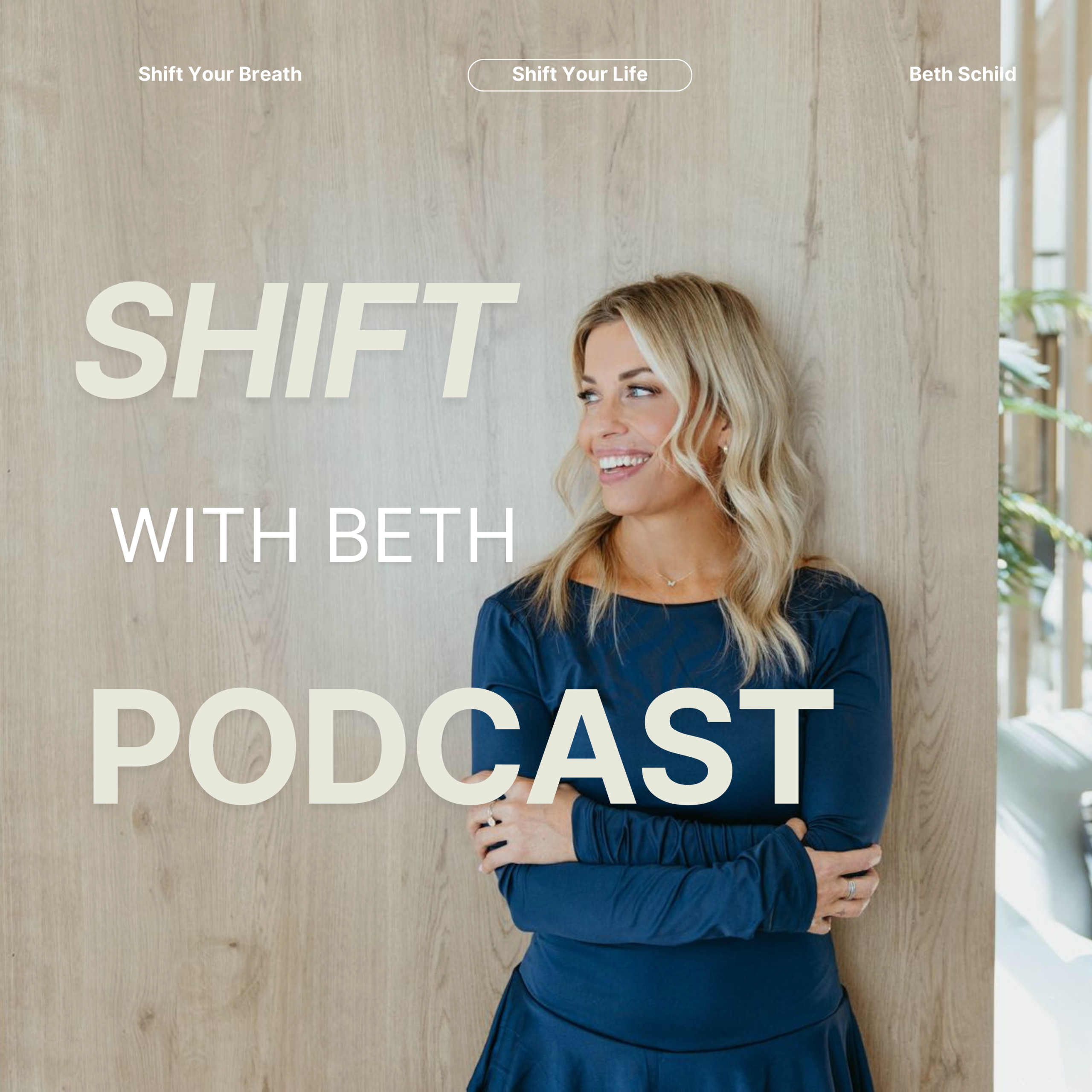
from Shift With Beth · host Beth Schild
Understanding Self-Abandonment: Why We Choose Others Over Ourselves Have you ever found yourself saying “yes” to a commitment while your entire body was screaming “no”? Or perhaps you’ve become so good at sensing what other people need that you’ve completely lost touch with what you want. In this episode of Shift with Beth, we are pulling back the curtain on a behavior that many of us mistake for “being nice” or “being easy-going”: Self-Abandonment. What is Self-Abandonment? Self-abandonment is the act of rejecting your own feelings, needs, or boundaries in order to maintain a connection with someone else. It often starts as a survival strategy in childhood or high-demand environments where “fitting in” was a requirement for safety. Over time, this survival strategy becomes a default setting. We become high-capacity, low-maintenance individuals who are “successful” on the outside but feel increasingly hollow on the inside. The Link Between People-Pleasing and the Nervous System From a somatic perspective, people-pleasing is often a “fawn” response. When our nervous system senses a threat—like potential conflict or disapproval—it tries to appease the threat to stay safe. Common “tells” that you are in a cycle of self-abandonment include: The Reflexive Yes: Agreeing to things before you’ve even had a chance to check your calendar or your energy levels. The Emotional Chameleon: Changing your tone, opinions, or personality based on who you are with. The Silent Resentment: Feeling “burned out” by people you love, because you’ve been overriding your own boundaries to serve them. How to Start the Shift Back to Self-Leadership Healing from self-abandonment isn’t about becoming “selfish”; it’s about becoming self-led. It’s the process of rebuilding the capacity to be honest with yourself and others, even when it causes “natural friction.” “We’ve been taught that success requires at least some amount of self-abandonment. But true success—and true intimacy—can only happen when you are actually present in the room.” — Beth Schild Episode Highlights & Timestamps [05:20] Defining the “People-Pleaser” archetype as a protector. [14:15] Why high-demand environments (religion, corporate, etc.) reward self-abandonment. [22:40] The physical cost: How suppressing your truth leads to chronic stress and fatigue. [31:10] Action Step: The “10-Second Pause” technique to interrupt the fawn response. Subscribe: Follow on Apple Podcasts or Spotify to continue your journey. Join the Community: Visit shiftwithbeth.com to access resources and coaching.
What this episode covers
Understanding Self-Abandonment: Why We Choose Others Over Ourselves Have you ever found yourself saying “yes” to a commitment while your entire body was screaming “no”? Or perhaps you’ve become so good at sensing what other people need that you’ve completely lost touch with what you want. In this episode of Shift with Beth, we are pulling back the curtain on a behavior that many of us mistake for “being nice” or “being easy-going”: Self-Abandonment. What is Self-Abandonment? Self-abandonment is the act of rejecting your own feelings, needs, or boundaries in order to maintain a connection with someone else. It often starts as a survival strategy in childhood or high-demand environments where “fitting in” was a requirement for safety. Over time, this survival strategy becomes a default setting. We become high-capacity, low-maintenance individuals who are “successful” on the outside but feel increasingly hollow on the inside. The Link Between People-Pleasing and the Nervous System From a somatic perspective, people-pleasing is often a “fawn” response. When our nervous system senses a threat—like potential conflict or disapproval—it tries to appease the threat to stay safe. Common “tells” that you are in a cycle of self-abandonment include: The Reflexive Yes: Agreeing to things before you’ve even had a chance to check your calendar or your energy levels. The Emotional Chameleon: Changing your tone, opinions, or personality based on who you are with. The Silent Resentment: Feeling “burned out” by people you love, because you’ve been overriding your own boundaries to serve them. How to Start the Shift Back to Self-Leadership Healing from self-abandonment isn’t about becoming “selfish”; it’s about becoming self-led. It’s the process of rebuilding the capacity to be honest with yourself and others, even when it causes “natural friction.” “We’ve been taught that success requires at least some amount of self-abandonment. But true success—and true intimacy—can only happen when you are actually present in the room.” — Beth Schild Episode Highlights & Timestamps [05:20] Defining the “People-Pleaser” archetype as a protector. [14:15] Why high-demand environments (religion, corporate, etc.) reward self-abandonment. [22:40] The physical cost: How suppressing your truth leads to chronic stress and fatigue. [31:10] Action Step: The “10-Second Pause” technique to interrupt the fawn response. Subscribe: Follow on Apple Podcasts or Spotify to continue your journey. Join the Community: Visit shiftwithbeth.com to access resources and coaching.
NOW PLAYING
The High Cost of People-Pleasing | Understanding Self-Abandonment
No transcript for this episode yet
Similar Episodes
Mar 26, 2026 ·1m
Jan 2, 2026 ·47m
Dec 21, 2025 ·46m