The Light Bulb Moment — Night Officially Ended
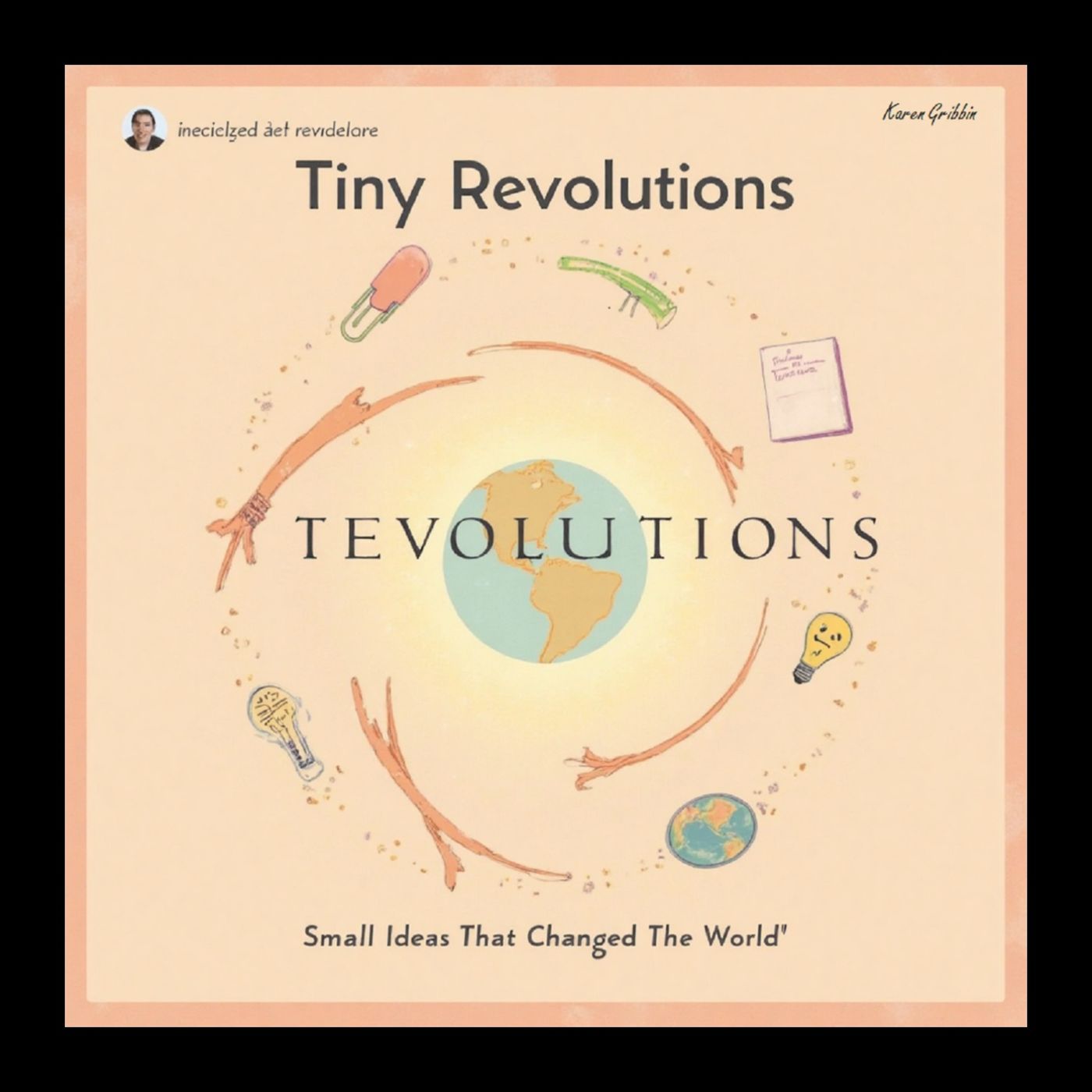
from Tiny Revolutions: Small Ideas That Changed the World
This episode explores how the light bulb transformed human civilization by freeing daily life from the limits of daylight. Before electric lighting, people relied on candles, oil lamps, and gas lamps, all of which were costly, dim, or potentially dangerous. As a result, work, education, and social activities were largely restricted by the setting sun. During the 19th century, numerous inventors worked to create practical electric lighting. While Thomas Edison is often associated with the invention, the light bulb was the result of contributions from many innovators. The true breakthrough was not just the bulb itself, but the development of an entire electrical system capable of delivering safe, reliable light to homes and businesses. Once electric lighting became widespread, cities, workplaces, and homes changed dramatically. Businesses stayed open later, factories extended production, and students gained more opportunities to study after dark. Streets became safer and urban nightlife flourished. For the first time, human activity was no longer strictly tied to the natural cycle of sunrise and sunset. The light bulb also became a symbol of creativity and innovation, representing the power of human ingenuity to solve long-standing problems. More importantly, it helped introduce electricity into everyday life, paving the way for countless future technologies. Ultimately, the light bulb did more than illuminate darkness. It expanded the usable hours of the day, transformed cities and economies, and gave humanity greater control over time itself. A simple glass bulb helped create the modern world by making night no longer a barrier, but an opportunity.
Embed this episode
No transcript yet.