The Loneliness Trap
from Mama Drama Trauma Academy Hosted by Tammy Taylor
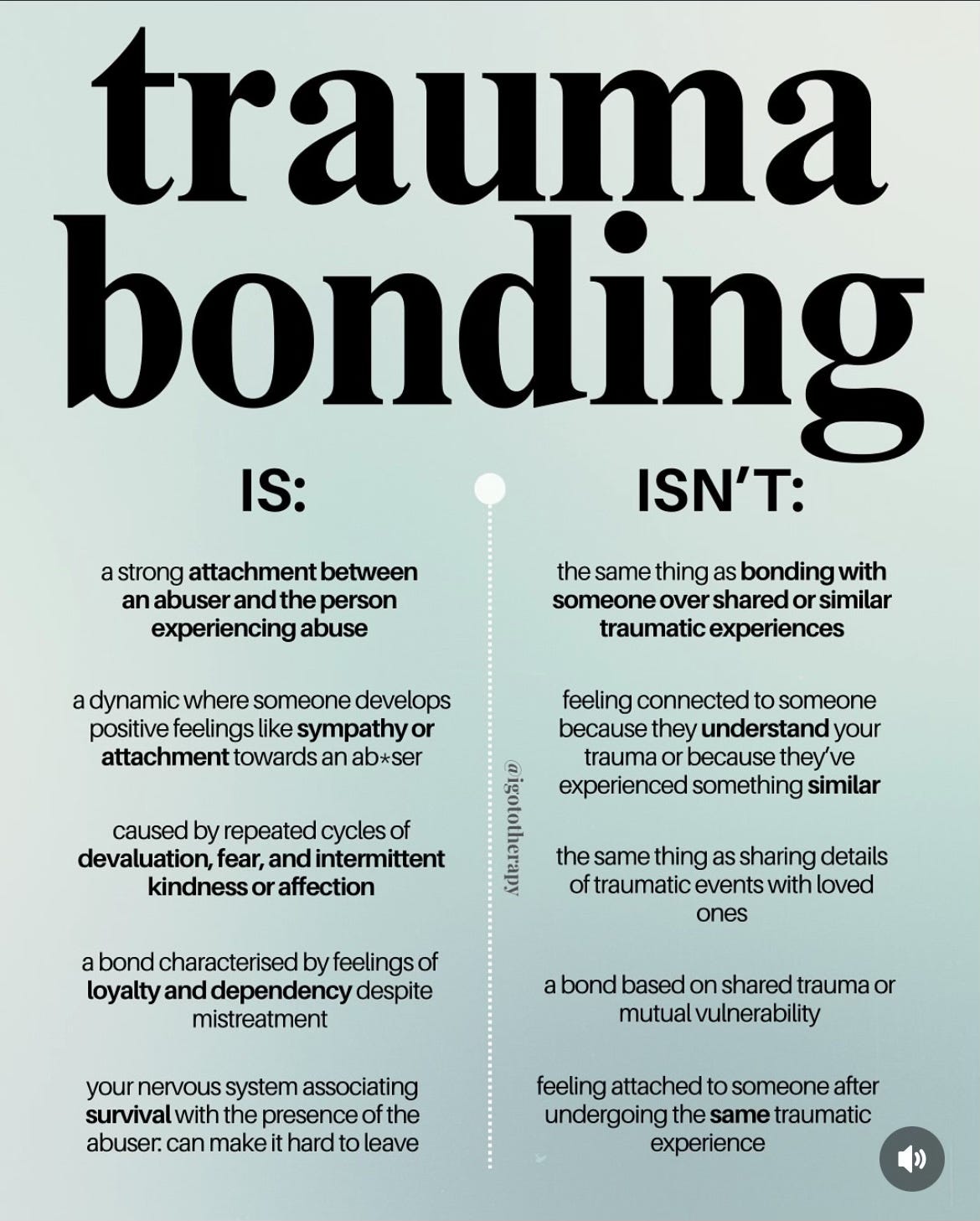
Trauma Bond Avoidance Can Be Traumatizing Trauma bonding relies on codependence, “I don’t feel good, happy or healed unless you are good, happy or healed.” To avoid this, we often avoid relationships altogether. Though extreme to others, for us its already difficult enough to distinguish between our feelings and others’ when dysregulated, and present chaos only muddies the waters even more. We either suppress, rationalize or avoid addressing our unmet maternal needs because that is Mama and if she didn’t sufficiently do it, in fact, often did the opposite, and it is taboo to object or even examine this experience it produces duplicity or cognitive dissonance. Duplicity of feeling unloved and loved produces the cognitive dissonance of believing what we are conditioned to believe: we are loved existing within an opposing lived experience that proves we are not. For empaths, this constant state of teetering emotions, threatens our mental, emotional and physical wellbeing until we begin to challenge and fully examine it. Knowing the Difference Between Being Alone and Lonely Is Key Trauma bonding is counterproductive to healing but, for those of us terrified of loneliness, feels like a lifeline. Here’s how to anchor the difference between trauma bonding and being a friend: * Feeling like I need to share a similar experience or identify with you to feel safe with you. Strong attachment between an abuser and the person experiencing abuse screams trauma bonding. While it isn’t the same thing as bonding with someone over shared or similar traumatic experiences, if your presence, or being there to listen is not enough, and the exchange drains you in any way, codependence is afoot and a boundary is needed. * Stockholm syndrome is a psychological response where hostages or abuse victims develop positive feelings and loyalty towards their captors or abusers. This phenomenon, while rare, involves forming an emotional bond and even identifying with the aggressor's perspective. Though a dynamic where someone develops positive feelings like sympathy or attachment towards an abuser differs from feeling connected to someone because they understand your trauma or because they've experienced something similar, if the connection is relied upon to be happy or feel good about yourself the connection is codependent. * The narcissist empath relationship cycle often follows a cyclical pattern of attraction, idealization, devaluation, and eventual discard, or hoovering if the empath attempts to leave. This cycle is fueled by the empath's inherent desire to nurture and heal, and the narcissist's need for admiration and control. We often attempt to avoid loneliness only to feel alone in trauma bonds caused by repeated cycles of devaluation, fear, and intermittent kindness or affection which our codependence confuses with healthy sharing of traumatic event details with someone who loves us. * Emotional abuse is when someone repeatedly tries to make you feel bad, unloved or worthless. It includes insults and threats, restricting your freedom, embarrassing you in public and bullying often happening in MDT relationships (i.e. mother, daughter, sibling, friends, relatives, neighbors, coworkers, etc.). Because emotional abuse is so alienating yet familiar, to avoid being alone, we form bonds characterized by feelings of loyalty and dependency despite mistreatment. As we grow weary of this kind of negative codependency, we seek bonds based on shared trauma and mutual vulnerability. * An individual, often from childhood, has come to perceive abusive behaviors as normal or acceptable, despite the harmful impact is said to view abuse or abuse as a norm and to normalization it themselves. This cycle highlights how the nervous system associate survival with the presence of the abuser making it hard to leave. This is not the same as feeling attached to someone after undergoing the same traumatic experience—as long as survival is not codependent. @freequenseers Isolation is a symptom of the wound, not your true state. Discover how to spot the kindred spirits who “get it” without you having to explain everything. Your path is not meant to be solitary. MDT Academy Newsletter is a reader-supported publication. To receive new posts and support my work, consider becoming a free or paid subscriber. Link for your own Mama Drama Trauma Healing Oracle Deck. This is a public episode. If you'd like to discuss this with other subscribers or get access to bonus episodes, visit mamadramatrauma.substack.com/subscribe
Embed this episode
No transcript yet.