
EPISODE · Apr 11, 2026 · 54 MIN
The National Hydraulic Mission — A South African Story - Episode 2
from ARCLIGHT Strategic Insights Podcast · host Arclight
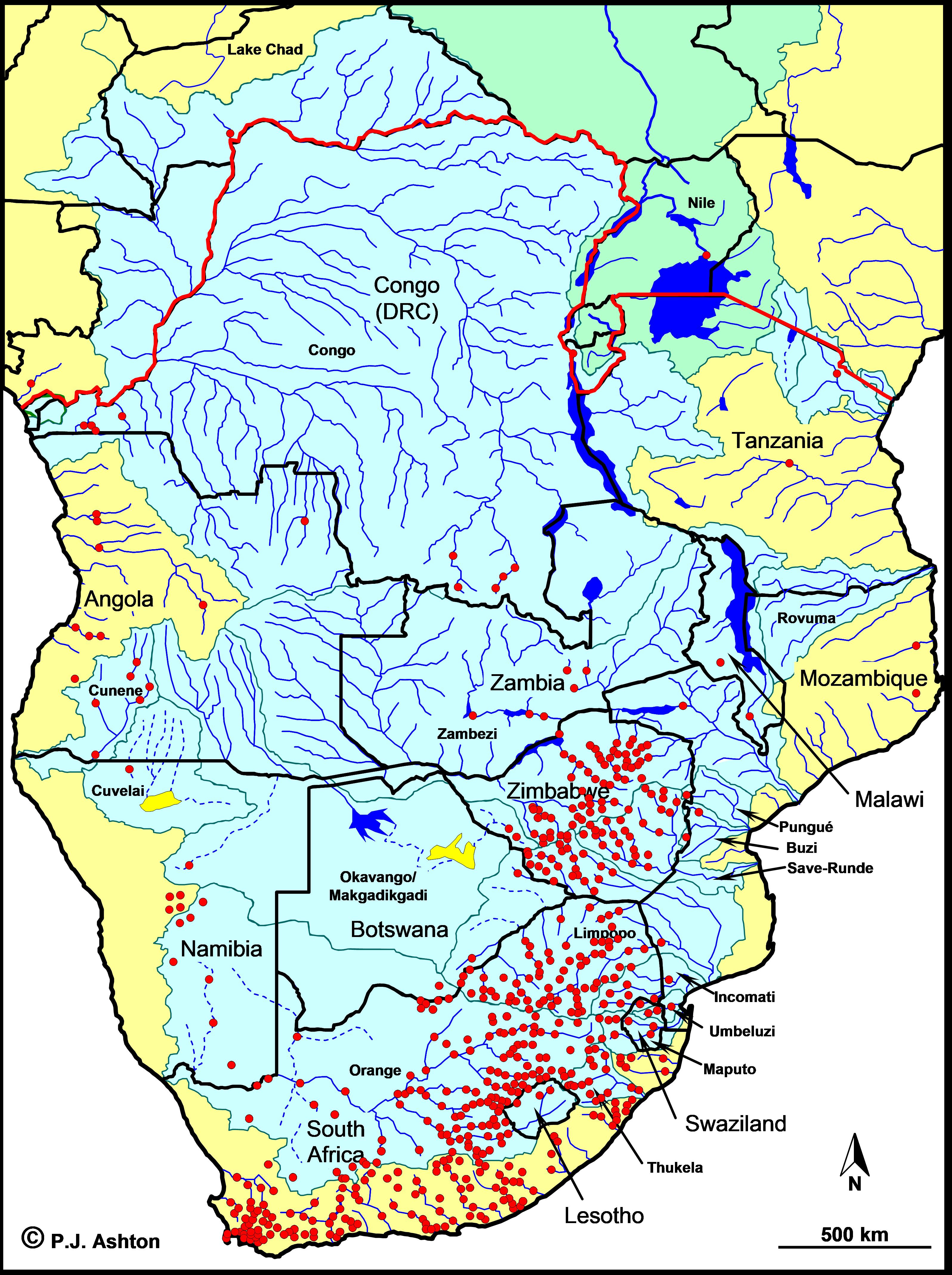
The dams didn’t just hold water. They held the country together.This is the second episode of the conversation between Andrew Charter and Dr Anthony Turton — continuing the story of how South Africa engineered itself into existence, and what happened when that engineering became inseparable from diplomacy, intelligence, and war.Episode 1 traced the arc from Thomas Bain’s ox wagon to the Orange-Fish Transfer Scheme. This episode picks up in the 1960s — the decade when everything accelerated. Sharpeville. The Republic. Verwoerd’s assassination. The Cuban Missile Crisis. The banning of the ANC and the emergence of the PAC, whose POQO fighters launched the Night of Death campaign from the mountains of Lesotho with machetes, iron piping, and a list of two thousand names.When Lesotho became independent in 1966, Prime Minister Vorster made Leabua Jonathan an offer: sovereign respect in exchange for sovereign cooperation — and a mega-project called the Lesotho Highlands Water Scheme, dusted off from a 1950s engineering study originally designed to supply the Free State Goldfields. Infrastructure as an instrument of peace. Development as a counterbalance to revolution.That logic didn’t stop at Lesotho. Cahora Bassa in Mozambique. Calueque in Angola. Jozini in Swaziland. South Africa was building a network of trans-boundary hydraulic infrastructure that doubled as a diplomatic architecture — what Turton calls hydro diplomacy. Vorster’s Détente Initiative. Botha’s Constellation of Southern African States. The carrot was development. The stick was a military that could reach you if you harboured guerrilla fighters on your soil.Then Angola collapsed. The Carnation Revolution. Four separate requests for South African intervention. The operation at Kifangondo — where American-supplied mortars had their firing pins removed, the FNLA never rose, and the CIA got on a plane and left. Operation Super Duck pulled the South Africans out by sea. It was a fiasco that reshaped the country’s threat perception for a generation.But the hydraulic mission continued. The Commission of Inquiry into Water Matters reported what the engineers already knew: South Africa is fundamentally water-constrained. Every dam, every tunnel, every interbasin transfer was built toward a single national security objective — seven per cent growth, decade on decade, to make the pie big enough that revolution became unnecessary. The intelligence community’s assessment was simple: people don’t naturally become revolutionaries. They pick up a Kalashnikov because they have no alternatives.That is the golden thread of the National Hydraulic Mission. Not concrete. Not kilowatt-hours. Dignity through employment in a country that doesn’t have enough water to sustain it without extraordinary engineering.The infrastructure that made that possible is still there. The question is whether anyone still understands what it was for.ARCLIGHT is a strategic intelligence platform documenting African geopolitics, security, and defence history through long-form dialogue with the operators, engineers, and analysts who were there. This is a public episode. If you would like to discuss this with other subscribers or get access to bonus episodes, visit arclightafrica.substack.com
NOW PLAYING
The National Hydraulic Mission — A South African Story - Episode 2
No transcript for this episode yet
Similar Episodes
Mar 26, 2026 ·1m
Jan 2, 2026 ·47m
Dec 21, 2025 ·46m