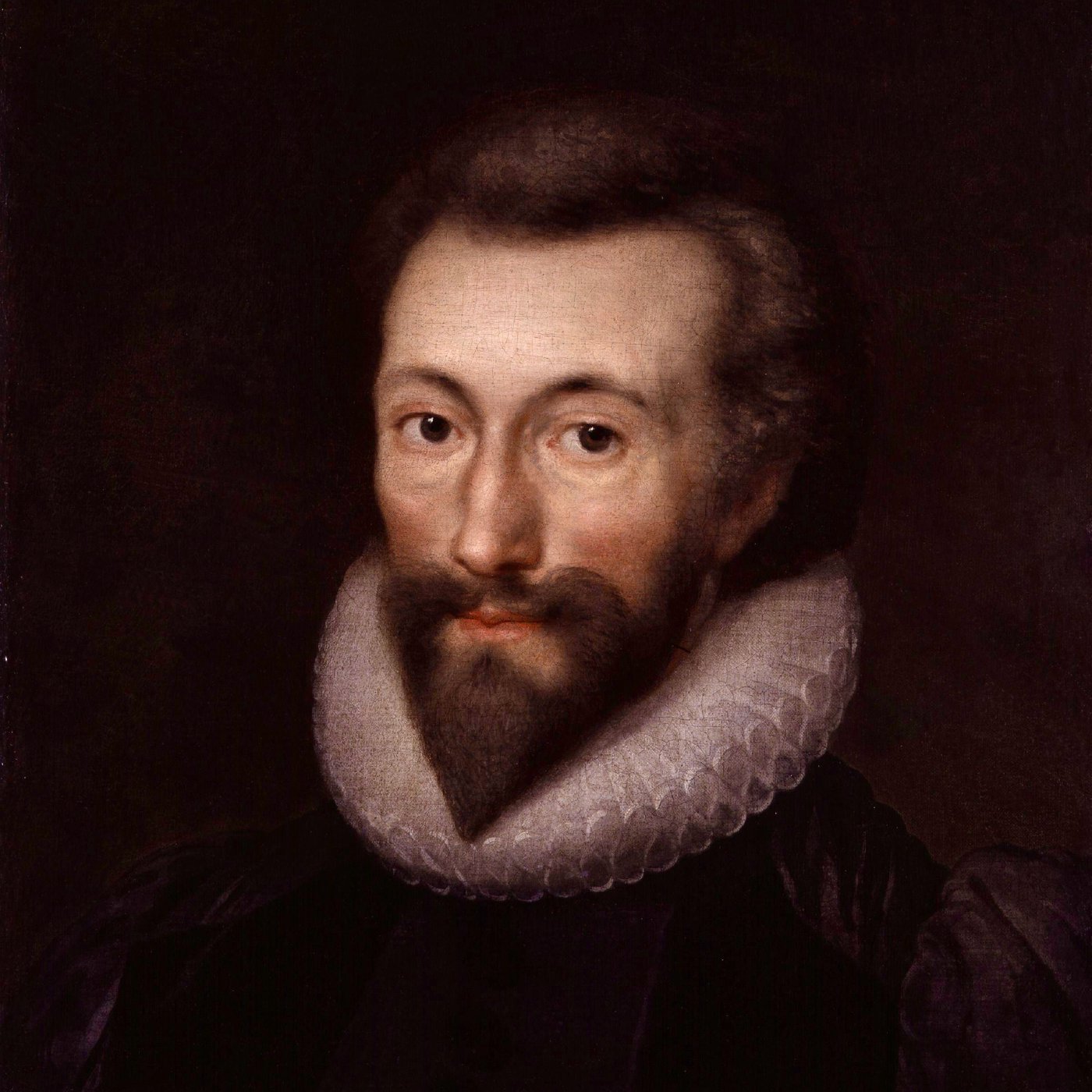
The Night School with John Donne (1572-1631) episode artwork

EPISODE · Apr 21, 2026 · 1H 30M

The Night School with John Donne (1572-1631)

from Faber Institute Podcast · host Rick Ganz

DESCRIPTION - TNS 18,4 - John Donne (1572-1631) on 21 April 2026John Donne (1572-1631) is a contemporary of our Guest at The Night School last month - St. Francis de Sales (1567-1622). Both were “divines”, which means “One who has officially to do with ‘divine things’; formerly, any ecclesiastic, priest, or other member of the clergy; now, one skilled in divinity; a theologian.” The latter was particularly famous for his letters of spiritual direction; the former, our Guest this month, is esteemed for his religious poetry, especially for his “Holy Sonnets”.His life and his understanding of God and religion, grounded in the convictions and habits of medieval Europe, came to pieces in the emergent “new world” of science and of the constantly, often violently, changing political scene. His personal failures and suffering deepened him to such a degree that he trained for the Priesthood and was ordained in 1615. Then when his wife died in 1617, his suffering increased and drove him deeper into the mystery of God and life. It is in this context that he composed his justifiably famous “Holy Sonnets”. He is judged the greatest of what came to be called “the Metaphysical poets”. (George Herbert, a previous Guest of The Night School, is counted among this number.)With our Guest this month, we will look closely at these sonnets, in whom we find some of the most famous lines in English poetry. For example, “Death be not proud” and “What if the present were the world’s last night?” and “Batter my heart three person’d God” and in a prose essay, “No man is an island.”Welcome to the closing Part of The Night School, Series 18.

DESCRIPTION - TNS 18,4 - John Donne (1572-1631) on 21 April 2026John Donne (1572-1631) is a contemporary of our Guest at The Night School last month - St. Francis de Sales (1567-1622). Both were “divines”, which means “One who has officially to do with ‘divine things’; formerly, any ecclesiastic, priest, or other member of the clergy; now, one skilled in divinity; a theologian.” The latter was particularly famous for his letters of spiritual direction; the former, our Guest this month, is esteemed for his religious poetry, especially for his “Holy Sonnets”.His life and his understanding of God and religion, grounded in the convictions and habits of medieval Europe, came to pieces in the emergent “new world” of science and of the constantly, often violently, changing political scene. His personal failures and suffering deepened him to such a degree that he trained for the Priesthood and was ordained in 1615. Then when his wife died in 1617, his suffering increased and drove him deeper into the mystery of God and life. It is in this context that he composed his justifiably famous “Holy Sonnets”. He is judged the greatest of what came to be called “the Metaphysical poets”. (George Herbert, a previous Guest of The Night School, is counted among this number.)With our Guest this month, we will look closely at these sonnets, in whom we find some of the most famous lines in English poetry. For example, “Death be not proud” and “What if the present were the world’s last night?” and “Batter my heart three person’d God” and in a prose essay, “No man is an island.”Welcome to the closing Part of The Night School, Series 18.

NOW PLAYING

The Night School with John Donne (1572-1631)

0:00 1:30:19

No transcript for this episode yet

We transcribe on demand. Request one and we'll notify you when it's ready — usually under 10 minutes.

That Hoarder: Overcome Compulsive Hoarding That Hoarder Hoarding disorder is stigmatised and people who hoard feel vast amounts of shame. This podcast began life as an audio diary, an anonymous outlet for somebody with this weird condition. That Hoarder speaks about her experiences living with compulsive hoarding, she interviews therapists, academics, researchers, children of hoarders, professional organisers and influencers, and she shares insight and tips for others with the problem. Listened to by people who hoard as well as those who love them and those who work with them, Overcome Compulsive Hoarding with That Hoarder aims to shatter the stigma, share the truth and speak openly and honestly to improve lives. The Small Business Startup School – Business Notes | Financial Literacy | Retail Psychology – For Professionals & Entrepreneurs The Small Business Startup School Inc. Starting or buying a small business? While personal circumstances may vary, business patterns remain timeless. On The Small Business Startup School, we explore strategies, insights, and practical solutions to help entrepreneurs confidently navigate their journey.Hosted by Ola Williams—a retail entrepreneur, fintech founder, and financial coach with over two decades of experience—this podcast marries financial awareness and retail psychology with optimism to deliver actionable takeaways.Join us to learn, grow, and connect as we uncover the keys to business success.Let’s continue to learn together and be encouraged to keep on connecting! DIOSA. Carolina Sanper This podcast is a sacred space created by Carolina Sanper where you connect with your inner wisdom and embody your magnetic feminine power.It is the realization that the mystical realm is where you plant the seeds of your desired reality.It is a portal to your true essence: awareness, presence, and receiving with ease. Welcome home, DIOSA. 🖤 XXX Tech by SOVRYN Dr. Brian Sovryn The crossroads between technology, sensuality, and metaphysics - and the longest running anarchist podcast in the world! Brought to you by Dr. Brian Sovryn.

Frequently Asked Questions

How long is this episode of Faber Institute Podcast?

This episode is 1 hour and 30 minutes long.

When was this Faber Institute Podcast episode published?

This episode was published on April 21, 2026.

What is this episode about?

DESCRIPTION - TNS 18,4 - John Donne (1572-1631) on 21 April 2026John Donne (1572-1631) is a contemporary of our Guest at The Night School last month - St. Francis de Sales (1567-1622). Both were “divines”, which means “One who has officially to do...

Can I download this Faber Institute Podcast episode?

Yes, you can download this episode by clicking the download button on the episode player, or subscribe to the podcast in your preferred podcast app for automatic downloads.
URL copied to clipboard!