
EPISODE · Sep 14, 2026 · 45 MIN
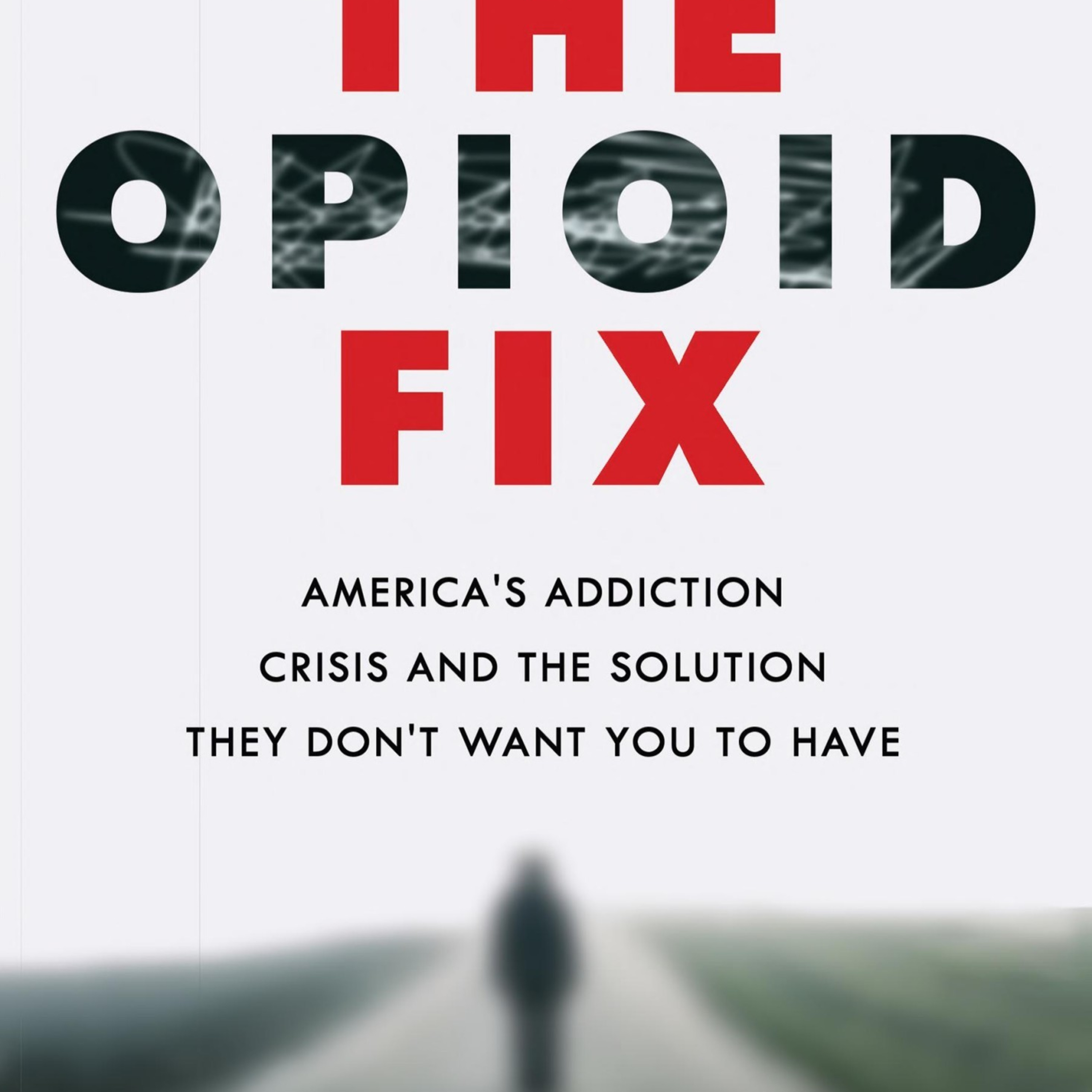
The Opioid Fix: America’s Addiction Crisis and the Solution They Don’t Want You to Have
from Crisis in Perception · host Crisis in Perception
What happens when an effective medical treatment exists, but the system surrounding addiction makes it unusually difficult to receive?Welcome to Crisis in Perception, where we examine the systems shaping our world.Using The Opioid Fix: America’s Addiction Crisis and the Solution They Don’t Want You to Have by Barbara Andraka-Christou as our lens, this Deep Dive investigates why medications for opioid addiction remain stigmatized, restricted, and underused despite substantial evidence supporting their effectiveness.Andraka-Christou examines buprenorphine, methadone, and extended-release naltrexone alongside the institutions that determine whether people can actually obtain them: physicians, treatment centers, twelve-step communities, regulators, prisons, courts, insurers, and the broader culture surrounding addiction.The deeper system is institutional gatekeeping. American addiction treatment developed through layers of punitive drug policy, abstinence-oriented recovery culture, professional separation from mainstream medicine, provider shortages, and legal restrictions. These forces can reinforce one another until an effective treatment exists in theory while remaining difficult to access in practice.The investigation also examines an important distinction between physical dependence and addiction. Methadone and buprenorphine can produce physical dependence while reducing the compulsive, destructive opioid use that defines addiction. Confusing those concepts helps sustain the belief that medication is simply “replacing one drug with another.”Through the experiences of people such as Jackson, the book also demonstrates why medication and psychosocial recovery should not be treated as competing approaches. Physiological stability can make it possible to address trauma, mental health, relationships, employment, and the broader work of rebuilding a life.The episode traces the historical roots of these barriers, the tension between abstinence and person-centered treatment, the persistence of MAT stigma, and international evidence showing that treatment systems can be designed very differently.📺 Watch on YouTube:https://youtu.be/eMsZ2ygykqk❤️ Support / Episode Post on Patreon:https://www.patreon.com/CrisisinPerception/posts/opioid-fix-and-169479895?utm_medium=clipboard_copy&utm_source=copyLink&utm_campaign=postshare_creator&utm_content=join_linkIf these ideas resonate, consider reading the work yourself or borrowing it from your local library. Supporting authors and libraries helps keep critical inquiry accessible.If you value systems-level analysis like this, please follow, rate, and share the project.This content was created using AI-assisted tools for research synthesis, structuring, and narration support. All analysis, framing, and editorial decisions are guided by human judgment as part of the Crisis in Perception project.
Embed this episode
Ready to play
The Opioid Fix: America’s Addiction Crisis and the Solution They Don’t Want You to Have
No transcript for this episode yet
Similar Episodes
No similar episodes found.
Similar Podcasts
No similar podcasts found.