
EPISODE · Jun 7, 2026 · 53 MIN
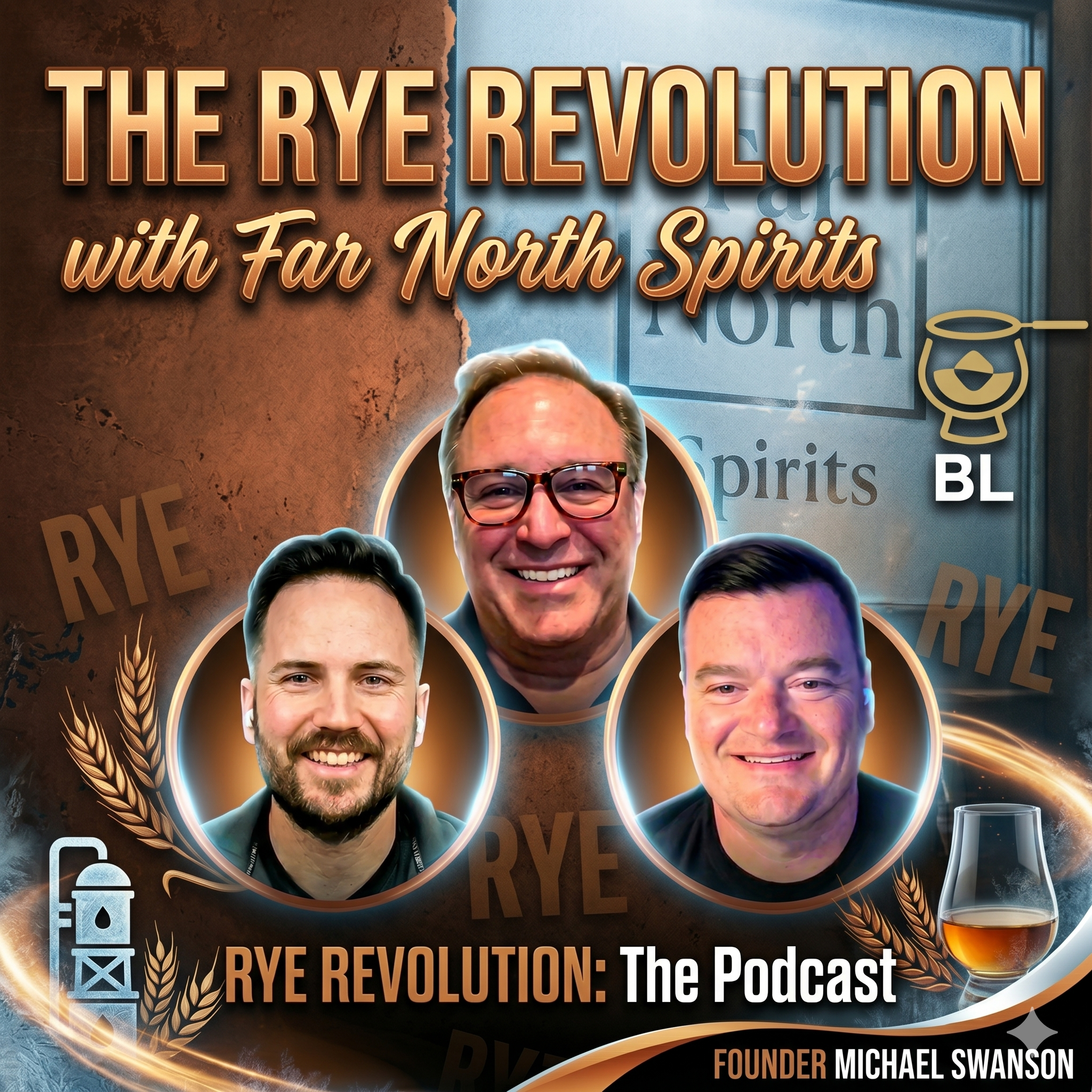
The Science of Rye Terroir: How Far North Spirits Styles Farm-to-Glass Whiskey with Michael Swanson
from Bourbon Lens · host Bourbon Lens
Most whiskey fans have never experienced a spirit that truly captures the essence of the land—until now. In this episode of the Bourbon Lens, we head to Minnesota to sit down with Michael Swanson, co-founder of Far North Spirits, to explore how agricultural choices, crop genetics, and soil health directly influence whiskey flavor.Michael shares his fascinating journey from farm kid to pioneering distiller, revealing how a passion for traditional agricultural techniques and groundbreaking scientific research are shaking up the craft distilling industry. Discover how planting specific rye varieties like AC Hazlet can transform a flavor profile in ways big industry can't replicate, and learn how Far North Spirits earned a major innovation award for proving the reality of whiskey terroir.Timestamps:00:00 - Introduction to Far North Spirits and the episode focus02:02 - Michael Swanson's background — from farming to whiskey distillation04:54 - The story of AC Hazlet rye and flavor profile discovery07:18 - Research proving varietal impacts on whiskey flavor08:45 - Interaction with large distillers and grain qualities10:12 - Laboratory findings linking rye variety to flavor compounds12:22 - Soil and environment effects on rye flavor profiles13:33 - Recognition of place-based innovation in whiskey15:01 - Climate effects on aging and angel share dynamics16:27 - Crop rotation, pollinators, and soil health for flavor benefits18:10 - The importance of regional agriculture practices and terroir20:37 - Old techniques and rediscovering traditional farming knowledge22:48 - Collaborative projects with blends and industry partnerships26:36 - Impact of farming scale on grain identity and flavor29:12 - The evolution of American whiskey and sense of place32:21 - Whiskey tasting notes: Hazlet and Rhochner profiles33:55 - Price points and market positioning of estate-grown whiskey36:19 - Future aging plans and bottle releases39:14 - Crafting gin and Demerara-style rum from regional ingredients43:36 - Climate considerations for ultra-aging and long-term storage45:54 - The influence of Minnesota oak and northern terroir50:32 - Whiskey as a celebration of community and tradition54:37 - Final thoughts and how to support Far North SpiritsWhether you are a bourbon enthusiast, a fan of rye whiskey, or curious about the science of soil-to-sip spirits, this episode will completely change the way you think about the landscape captured in your bottle.🔔 Subscribe for more weekly discussions, tastings, and bourbon insights from the Bourbon Lens community. 📸 Follow on Instagram: @bourbonlens🌐 Visit: www.bourbonlens.com 👕 Merch: https://bourbon-lens-shop.printify.me/products 💬 Discord: https://discord.gg/pd6ys5nRSUHashtags#BourbonLens #FarNorthSpirits #RyeWhiskey #WhiskeyTerroir #FarmToGlass #CraftDistilling #WhiskeyScience #MichaelSwanson #EstateWhiskey
Embed this episode
Ready to play
The Science of Rye Terroir: How Far North Spirits Styles Farm-to-Glass Whiskey with Michael Swanson
No transcript for this episode yet
Similar Episodes
No similar episodes found.