
EPISODE · Sep 2, 2026 · 34 MIN
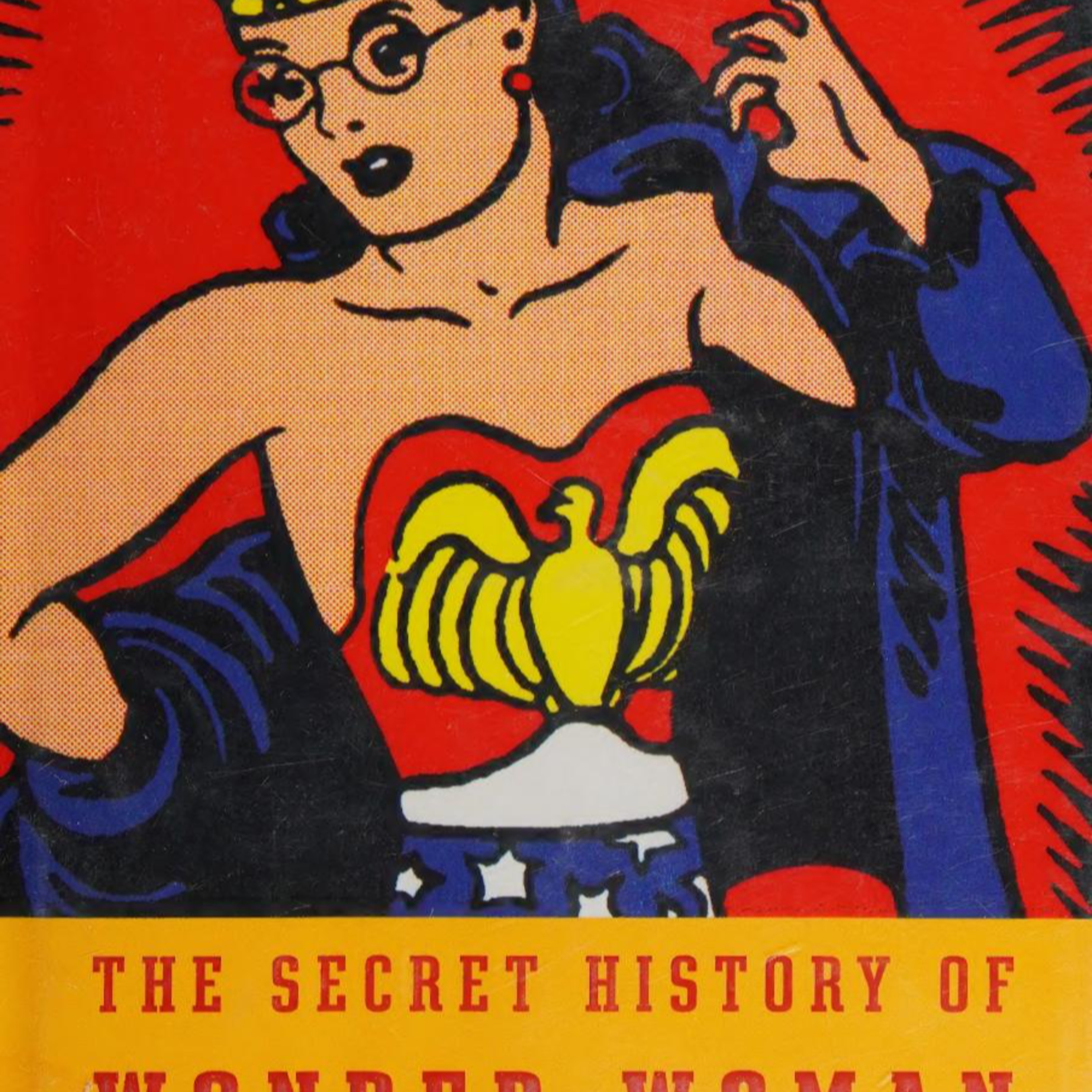
The Secret History of Wonder Woman — How Feminism Became a Superhero
from Crisis in Perception · host Crisis in Perception
What happens when political ideas leave protest movements and institutions and enter popular culture?Welcome to Crisis in Perception, where we examine the systems shaping our world.In The Secret History of Wonder Woman, historian Jill Lepore uncovers the largely hidden intellectual and political origins of one of the twentieth century’s most enduring fictional characters. Wonder Woman did not emerge from comic books alone. Lepore traces her genealogy through woman suffrage, early feminism, birth control activism, experimental psychology, legal debates, unconventional family arrangements, and William Moulton Marston’s fascination with truth, deception, submission, and female power.At the center of the story are Marston; his wife, Elizabeth Holloway; and Olive Byrne, the niece of birth control activist Margaret Sanger. Their lives connected Marston directly to many of the debates transforming women’s place in American society. Those influences resurfaced throughout Wonder Woman: an island governed by women, repeated imagery of chains and liberation, the pursuit of truth, female colleges and institutions, and an explicit belief that women could exercise forms of authority traditionally reserved for men.Lepore’s larger historical argument is especially revealing. Wonder Woman belongs within a continuous history of the struggle for women’s rights. She was shaped by the suffragist, feminist, and birth control movements of the early twentieth century and later became part of the symbolic vocabulary of women’s liberation and feminism decades later.This episode uses that history to investigate cultural transmission: the process through which ideas migrate from movements into private relationships, from private relationships into stories, and from stories back into public consciousness.That process creates a difficult tradeoff. Popular culture can preserve ideas after their original political context disappears and expose them to audiences vastly larger than any activist organization could reach. But those same ideas can also be stripped of context, commercialized, sexualized, simplified, or transformed into something their original advocates might barely recognize.The central systems and tensions include cultural transmission, historical memory, political symbolism, media representation, truth versus secrecy, liberation versus submission, and the relationship between social movements and mass entertainment.📺 Watch on YouTube:https://youtu.be/FBhxYL3EDuk❤️ Support / Episode Post on Patreon:https://www.patreon.com/CrisisinPerception/posts/secret-history-168427577?utm_medium=clipboard_copy&utm_source=copyLink&utm_campaign=postshare_creator&utm_content=join_linkIf these ideas resonate, consider reading the work yourself or borrowing it from your local library. Supporting authors and libraries helps keep critical inquiry accessible.If you value systems-level analysis like this, please follow, rate, and share the project.This content was created using AI-assisted tools for research synthesis, structuring, and narration support. All analysis, framing, and editorial decisions are guided by human judgment as part of the Crisis in Perception project.
Embed this episode
Ready to play
The Secret History of Wonder Woman — How Feminism Became a Superhero
No transcript for this episode yet
Similar Episodes
No similar episodes found.
Similar Podcasts
No similar podcasts found.